
Alaskans pride themselves on grit, self-reliance and a deep connection to the land and sea. Yet across our rural schools – where children face some of the nation’s highest food-insecurity rates – we’re serving frozen, processed “meals” shipped from the Lower-48 that barely qualify as food. These heat-and-serve trays, packed with sodium and preservatives, are fueling Alaska’s growing obesity epidemic: 36% of adults and roughly 17% of youth are obese (Centers for Disease Control and Prevention, 2023). Compare that to Japan’s 4.5% childhood obesity rate – a gap that translates into a $1.2 billion annual healthcare burden for our state.
It’s time to change what’s on the tray – and what’s behind it.
Introducing Northern Harvest Table
Northern Harvest Table is Alaska’s answer to Japan’s renowned kyūshoku school lunch model – a system that has nourished generations of children while teaching them respect for food, culture and community.
Since 1954, kyūshoku has provided universal, daily meals to over 99% of Japanese elementary students (MEXT, 2022). These aren’t the beige cafeteria trays we’re used to. Each meal is a complete, balanced spread: rice or noodles, protein (fish or meat four to five times a week), vegetables, soup, milk, and fruit – about 600-850 calories per meal, carefully balanced for protein (13–20%), fats (20–30%), calcium, and iron.
Even better, more than half the ingredients are locally sourced. The real genius, though, lies in shokuiku – “food education.” Students serve each other, eat together in classrooms, say itadakimasu before eating, and clean up afterward. They learn gratitude, nutrition and community responsibility. Waste? Barely 7%. And it works: a 10% increase in school lunch participation correlates with a 2% decrease in obesity among boys (Miyazawa et al., 2021), while nutrient intake doubles on school days (Asakura et al., 2017).
Northern Harvest Table – Alaska Style
Now imagine this instead of a heat-sealed tray:
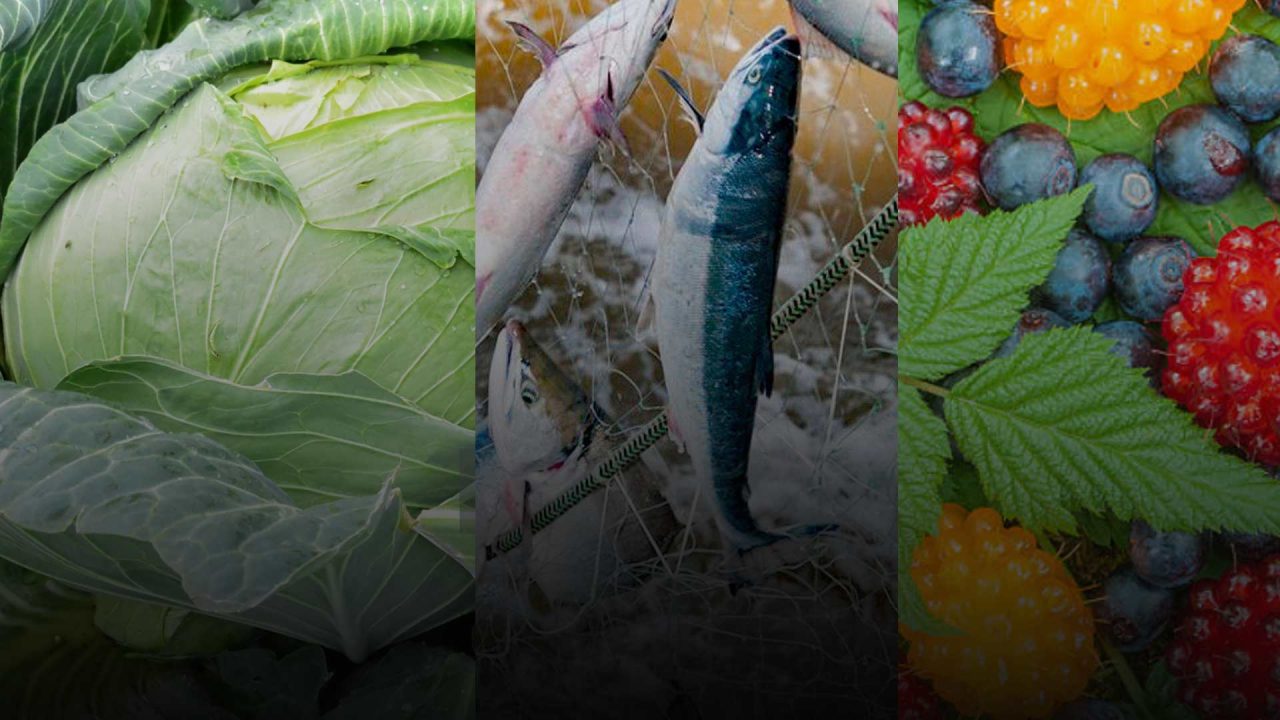
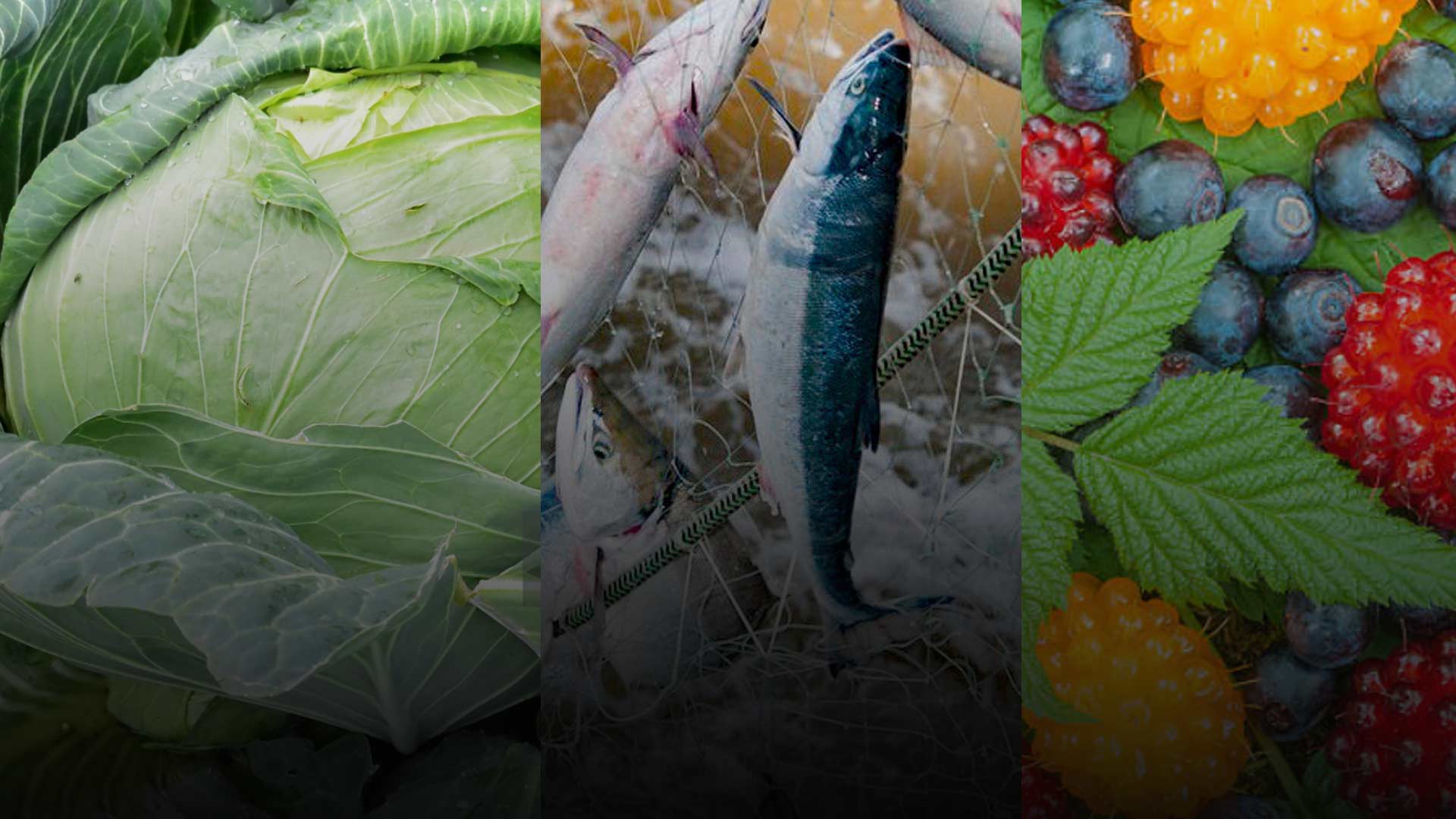
Baked wild salmon. Reindeer stew. Local beef meatballs. Chicken stir-fry with greenhouse greens. Fresh berry salad.
That’s Northern Harvest Table – real food, made close to home.
The pilot program would serve 10,000 rural students across 50 schools, prioritizing Native village districts where more than 80% of students already qualify for free meals. The three-year budget totals $60 million:
- $25 million upfront for four regional processing hubs, kitchen upgrades, and equipment.
- $12 million annually for food, labor, and transport.
Each meal would cost $8.32 – including labor and one licensed nutritionist per district – barely more than the current $8 frozen-meal model. But under the federal Community Eligibility Provision (CEP), all meals qualify for full reimbursement at $7.54 per meal (USDA, 2025). That’s a $2.59 surplus per meal after startup, making the program self-sustaining by year four. Research already shows that universal free meals lower BMI and obesity prevalence (Cohen et al., 2021).
Beyond the Numbers
Critics may see cost; Alaskans should see investment.
- Nutrition: Students would receive 68 g of protein per day (vs. 45 g now), 1.2 g of omega-3s, and more vitamins and minerals than any heat-and-serve tray could offer.
- Culture: Elder-led harvest days and seasonal menus teach respect for the land while reducing plate waste from 32% to 6%.
- Community: Shared meals nurture cooperation, mental health, and pride in local food.
Asian school-nutrition programs like kyūshoku consistently cut obesity risk 10–20% (Micha et al., 2018). There’s no reason Alaska can’t do the same – with our own resources, our own traditions, and our own table.
An Economic Ripple Effect
Northern Harvest Table would feed more than children – it would feed Alaska’s economy.
- 395 new jobs statewide:
- 80 seasonal for fishers
- 30 for beef ranchers
- 35 for poultry producers
- 50 year-round in greenhouses
- 200 in berry co-ops
That’s $5.7 million in annual local revenue, with every $1 spent generating $2.50 in economic return (USDA, 2023).
Health Care Savings
Obesity costs Alaska $180 million per year in state funds – $27 million tied to diabetes, $20 million to cardiovascular disease (Alaska Department of Health, 2025). Childhood obesity at 17% sets up a lifetime of chronic illness.
Programs like Northern Harvest Table attack that root cause. Comparable interventions have reduced diabetes risk by 22% (Gortmaker et al., 2015). A 5-10% drop in statewide childhood obesity could save $9-18 million annually in healthcare spending alone.
Conclusion: From Freezers to Futures
This isn’t a luxury – it’s a lifeline. Northern Harvest Table is practical, culturally grounded, and economically sound. It’s about feeding Alaska’s kids real food – grown, caught, and prepared right here at home.
Bannock replaces rice. Reindeer replaces tofu. The heart stays the same: shared meals, healthy children, strong communities.
Lawmakers: Fund it for FY 2027.
Parents: Demand it.
Communities: Own it.
Feed our kids what Alaska feeds the world – fresh, honest food.
Ditch the nuggets. Build the Northern Harvest Table.
The views expressed here are those of the author.
Click here to support the Alaska Watchman.
…………………………………………………………………………………
References
— Alaska Department of Health. (2025). Obesity and chronic disease burden report. https://health.alaska.gov
— Asakura, K., Sasaki, S., & Japanese School Lunch Study Group. (2017). School lunches and dietary intake among Japanese children. Public Health Nutrition, 20(12), 2146–2155. https://doi.org/10.1017/S1368980017000876
— Centers for Disease Control and Prevention. (2023). Behavioral Risk Factor Surveillance System (BRFSS). https://www.cdc.gov/brfss
— Cohen, J. F. W., Hecht, A. A., McLoughlin, G. M., Turner, L., & Schwartz, M. B. (2021). Universal school meals and associations with student outcomes: A systematic review. Nutrients, 13(3), 911. https://doi.org/10.3390/nu13030911
— Gortmaker, S. L., et al. (2015). Three interventions that reduce childhood obesity are projected to save more than they cost. Health Affairs, 34(11), 1932–1939. https://doi.org/10.1377/hlthaff.2015.0631
— Micha, R., et al. (2018). Effectiveness of school food environment policies on children’s dietary behaviors: A systematic review. PLoS ONE, 13(3), e0194555. https://doi.org/10.1371/journal.pone.0194555
— Ministry of Education, Culture, Sports, Science and Technology. (2022). School lunch program implementation guidelines. https://www.mext.go.jp
— Miyazawa, I., Morisaki, N., & Pietzner, M. (2021). Association between school lunch provision and childhood obesity in Japan. Pediatrics International, 63(6), 678–685. https://doi.org/10.1111/ped.14567
— Tanaka, N., & Miyoshi, M. (2012). School lunch program for health promotion among children in Japan. Asia Pacific Journal of Clinical Nutrition, 21(1), 155–158.
U.S. Department of Agriculture. (2023). The economic impacts of Farm to School. https://www.usda.gov/f2s
— U.S. Department of Agriculture. (2025). National School Lunch Program reimbursement rates. https://www.fns.usda.gov/nslp
— Welker, E., Lott, M., & Story, M. (2016). The school food environment and obesity prevention: A systematic review. Childhood Obesity, 12(6), 440–453. https://doi.org/10.1089/chi.2016.0115




10 Comments
Never ate many meals at school, but back in the dark ages when dinosaurs roamed the earth, lunch was prepared by the ubiquitous lunch ladies in a real kitchen and served with all nutrients required. When I saw what they were trying to pass off as lunch at my son’s school, I was disgusted. Sent him with a real lunch every day after that. His buddies asked if they could have some, so I usually packed double. More fruit, more veggies, real meat, all that jazz. Even peanut butter and jelly would be better than that flavorless, colorless mush.
What about utilizing roadkill moose in this program as well? Moose is an excellent source of healthy nutrition. Or the state could host a youth focused hunting week where all hunted animals go to a program to produce healthy foods for our schools and food programs?
Had to look up Bannock. Is that fry bread or what Yupik people call uqupali? (a-cope-a-lee)
Bannock is a mining tradition. It’s bread baked in a cast iron. You can cook it in a camp fire if you are able to get your fire hot enough. It’s simple, like biscuits, but shaped more like monkey bread. I grew up on it. We used to make it with kmut flour instead of wheat. It is delicious except the burnt bottom which was always as hard as a rock.
This is very interesting. But strikes at the heart, because I wonder why we need to feed the kids at school. Why aren’t their parents feeding them? Why is hot lunch provided by someone other than mom and dad an expectation? Is it because no responsible adults in the home is a given? How long have we thought this way? How many generations in America have been raised, fed, and taught by someone other than mom and dad? Was it the Industrial Revolution that broke our backs? WWII and the entrance of women into the workforce? No fault divorce laws? Laziness? When we talk about the grit and determination of the Alaskans -who are mostly transplants from other states- why do we continue to rely on structures exterior to the family to do the lions share of the work propping up its foundation, which is a healthy marriage? Are we too lazy to roll up our sleeves and raise our own children, feed our own children, teach our own children?
OK–Alaska Native communities are not based on nuclear families, especially in the villages. Instead, the community is based on extended kinship networks who intertwine with each other. Individual households tend to be intergenerational, and neighboring households collaborate and cooperate to raise children, take care of elders, and gather and share resources. The community as a whole is responsible for educating the youth and in taking care of elders; those chores are not relegated only to moms and dads in a nuclear family structure.
All the more reason why we don’t need to “feed the children”. In your explanation, there are more people to support the children, than just mom and dad.
The math on costs doesn’t make sense to me. Is the $8.32 what they would charge or the actual cost per meal to make? The reimbursement is $7.54 from the USDA. That means it costs more to make than the reimbursement. How does that equate to a surplus?
We need to look into “vaccines” causing obesity and health risks as well. It is advertised as a one size fits all and vaccines are the least questioned. I have a family member in Homer who raises their own meat, eats out of their garden, stays away from sugar, and drinks water out of their own natural spring. Took the Covid shot and was diagnosed with cancer.
My kids qualified for free lunch (wife stayed at home) but 2 (of 4 ) didn’t like it and they ate dad’s sandwiches until High School (where it got better)
The 3rd ate a lot of dad’s sack lunches and one of them loved school lunch, that’s all she ate.
But you’re right having your family feed you is the best way to go …. imo.