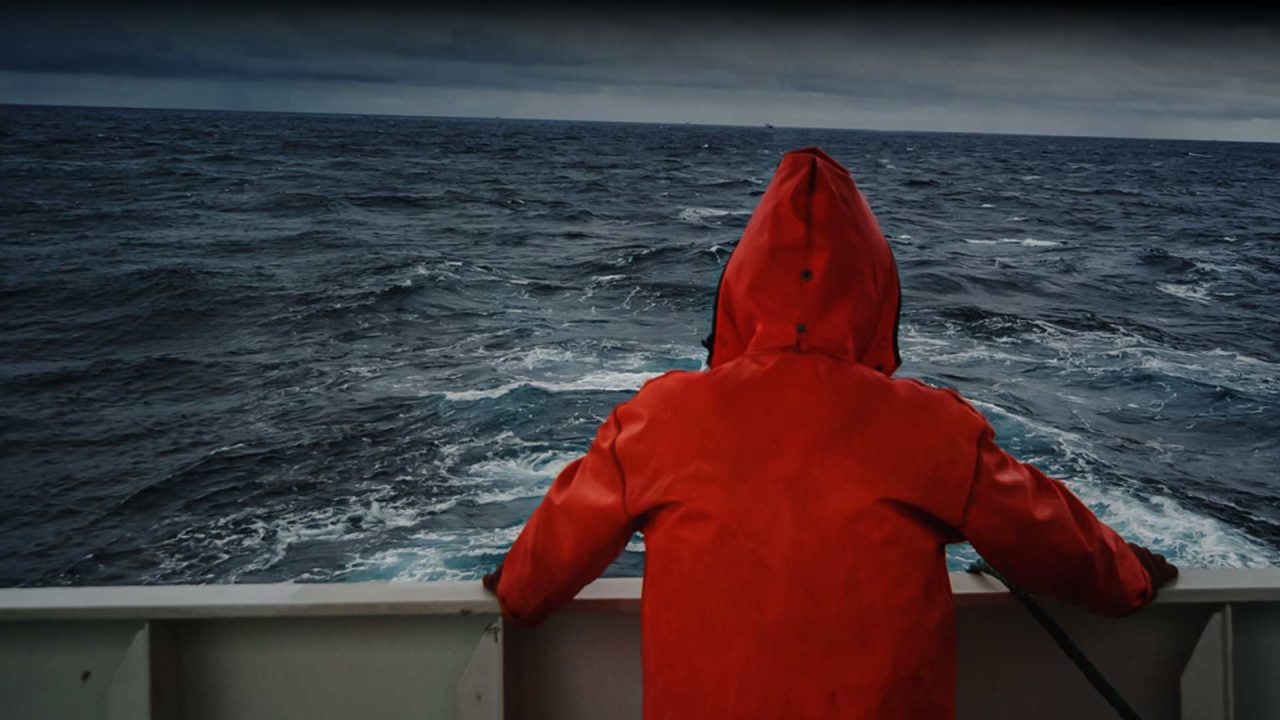


Long part of Alaska’s lore, the daring adventures of commercial fishing are becoming less and less common.
According to the latest report from Alaska’s Department of Labor, the number of people employed in Alaska seafood harvesting fell for the fifth straight year in 2024, bringing the industry to its lowest job count since the state began tracking the data in 2001.
Last year the industry lost 443 jobs – a 7.6% drop that was similar to the 7.8% drop in 2023.
There may have been some recovery of jobs in 2025, but that data won’t be available until 2026.
Over the last decade, however, Alaska seafood harvesting has lost more than a third of its total jobs, with employment down every year of the last 10 except in 2019. Similarly, the summer job peak has dropped 30% from its peak of 24,600 in July of 2014 to just 17,400 in 2024.
According to the state report, the biggest job losses occurred during the pandemic. While most other Alaska industries, including seasonal ones, have since bounced back, seafood harvesting jobs, however, continue to struggle.
Challenges noted in the latest report include rising costs and high startup investments for commercial fishermen. However, even current permit holders are fishing less, which means there are less crewman needed to manage a smaller fleet.
Some of these permit holders may have decided to retire. According to the state data, permit holders have grown older over the past decade with the average permit holder’s age now at 53.4 years.
Other challenges to the industry include competition from countries such as Russia, which have lower overhead costs and have flooded the international market. Overall seafood prices have been on a three-year decline, the report states, especially for high-value catches such as chinook salmon.
Additionally, China is now purchasing more fish from Vietnam than from the U.S.
ALASKA WATCHMAN DIRECT TO YOUR INBOX
The state report notes that seafood harvesters also struggle with unpredictable runs, the shuttering of seafood processing plants and closures or limitations on certain fisheries.
While the overall number of some species, such as sablefish, have boomed in recent years, low prices have discouraged fishermen from making large harvests. Similar market challenges have impacted herring.
Other fisheries, such as Bering Sea crab, closed entirely in 2022 and 2023 due to a crash in stocks. While it reopened in 2024, there were greatly reduced catch limits.
Salmon has traditionally been Alaska’s highest-value catch, but dramatically lower harvests in recent years pulled its value down to second place in 2023, the state reported. It remained in second last year.
Nevertheless, salmon fishing continues to drive Alaska’s seafood industry. Due to the labor-intensive nature of the harvest, it generates more than half of all Alaska fishing jobs. Salmon harvesting employment, however, has been shrinking for years.
To view the complete state report, click here.





2 Comments
Having lived and worked in a commercial fishing community for 27 years, (most of those years during the exciting boom of all species), I have seen the ups and downs.
Frankly, the worst downs were created by government overreach.
The natural occurrences of ups and downs from mother nature are dealt with every year. The commercial fishermen make due and move on.
But, too often Government interventions work with sticky fingered regulations, on every level from seasonal preparations, to catch restrictions, to insurance policies, to processing and sales (just to name a few).
Government imposes rules and regulations that are often created according to whims of ‘educated’ professionals who have had little or no personal hands-on commercial fishing experience.
Biggest issue: When proved wrong their tendency is typically not to auto correct but to double down.
Thus the fishing industry constantly struggles in the confused seas of years old mandates.
I am grateful for the hard working fishermen and processing workers – and their families.
God bless you and your work.
Keep the survival suits handy boys, as you stay the course through the regulations and onslaught of your fishing industries.
I lived in Alaska many years. In the beginning in the 1970s there were plenty king crab in Kachemak Bay. There were plenty in the Bering Sea. The Kenai was full of record setting fishing. What happened? They were overfished. Commercial fisherman insisting on raising the limits, the state raised the limits. The state is learning this problem way too late.