

Every time a serious energy proposal appears in Alaska, we hear the same predictions. Air quality will collapse. Rivers will be ruined. Salmon and wildlife will disappear. Trees will wither, wells will dry. We heard it with pipelines, mines, roads, and power plants. Some projects deserve scrutiny and some do not make sense. Others deserve a fair look because they may bring real benefits if built responsibly.
Alaska still needs power for families, businesses, and industry, and the Mat-Su Borough is in a position to lead with modern energy and new industries that require reliable electricity.
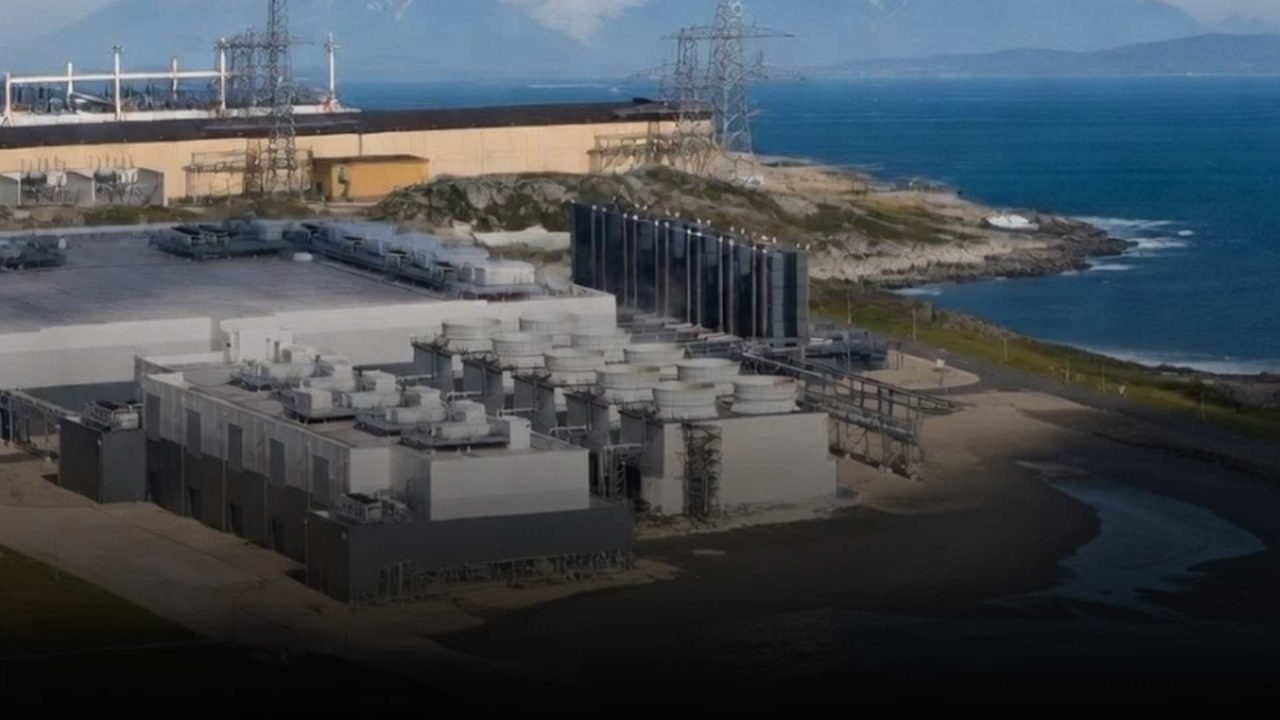
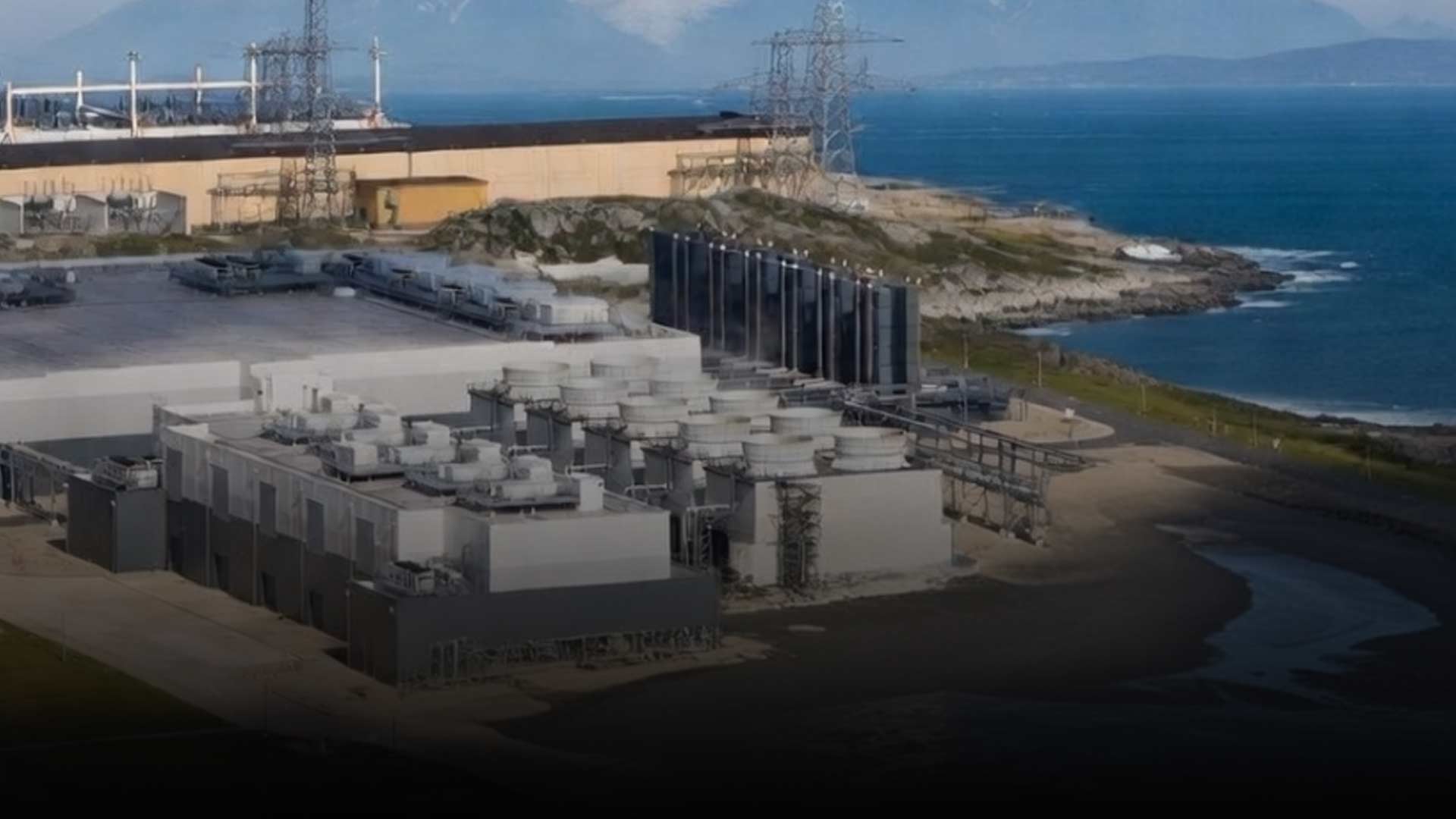
The West Susitna area is not untouched wilderness. It has long been identified for resource development. Coal leases exist there, and land has already been set aside for industrial activity. If we want reliable power and economic growth, we cannot act surprised when proposals like the Terra Energy Center coal and biomass facility with carbon capture appear. This is not a return to older coal plants. It is an effort to use local resources with modern technology to produce dependable electricity.
No industrial project is without impact. The question is whether those impacts can be managed and whether the benefits make sense in areas chosen for development. In the upper Susitna Valley, with large coal reserves and geology suited for carbon storage, a recent study from the University of Alaska Fairbanks outlines a possible path forward. It examined what a 75 or 300 megawatt biomass and coal facility with carbon capture could look like, and found electricity from a plant like this could compete with new natural gas generation, especially as Cook Inlet gas supplies decline and imported LNG becomes more likely.
Natural gas will not always be the cheapest option. Southcentral Alaska faces a potential supply gap between 2027 and 2030. We must diversify.
The investment is estimated to be between one and 3.6 billion dollars. While development should not depend on them, federal 45Q tax credits for carbon storage can offset part of the long term cost while they remain in place. Fuel prices are also more stable. Local coal and biomass are estimated to be around four dollars per million BTU, while natural gas in Southcentral has ranged from seven to more than thirty dollars. With capture rates between 90 and 95 percent, emissions can fall below those of existing gas plants. This type of generation could preserve remaining Cook Inlet gas for residential heating while providing dependable baseload power.
A plant in the Susitna basin could also support a new industry at Port MacKenzie. Large data centers require constant electricity, often hundreds of megawatts around the clock. Alaska’s cold climate is an advantage for cooling, but these facilities depend on stable power. One concept is simple. A portion of the plant’s output could be committed directly to the centers through long term power agreements or a dedicated transmission line. Those industrial customers would pay for the infrastructure they require, and their demand would not fall on residential ratepayers. Any excess power could be sold to utilities through power purchase agreements. Developers believe this approach could support several centers and billions of dollars in private investment.
Alaska often says it wants jobs, a stronger revenue base without an income tax, a healthy dividend, and an economy that is not dependent only on oil and the Permanent Fund. Yet when opportunities appear, we sometimes shut the door before the discussion even begins. Meanwhile, budgets tighten and infrastructure falls behind. If the Mat-Su Borough wants to lead economically, Port MacKenzie is a logical place to start. The port was built for industrial activity. Data centers do not employ thousands in the long-term, but construction requires a large workforce and the facilities generate significant property tax revenue. Other regions have shown what this can mean. Quincy, Washington, turned data center investment into major local tax revenue. Northern Virginia saw billions in economic activity and related jobs. A similar approach here, paired with a local power source, could strengthen the Mat-Su economy for decades.
However, several misconceptions deserve clarification.
ALASKA WATCHMAN DIRECT TO YOUR INBOX
Clean coal is often dismissed as a marketing phrase, but modern carbon capture systems can remove a large share of carbon dioxide before it reaches the atmosphere. The UAF study indicates lifecycle emissions could be lower than electricity from imported LNG. Pollutants such as sulfur and nitrogen are controlled with modern equipment, and captured carbon dioxide can be stored in deep geologic formations such as depleted gas reservoirs in Cook Inlet.
Another concern is that the project would strain the Railbelt grid. In reality it adds firm generating capacity and helps protect Cook Inlet gas supplies for residential heating. If data centers purchase power through separate agreements, their demand does not shift costs to residential customers.
There is also concern about water use. Newer data centers rely more on air cooling and water recycling systems, which is one reason Alaska is attractive to developers. Water use is reviewed during permitting.
Natural gas will not always be the cheapest option. Southcentral Alaska faces a potential supply gap between 2027 and 2030. We must diversify. As production declines, prices will rise. Coal and biomass offer a stable local fuel supply, and with federal incentives for carbon storage the UAF analysis shows coal with carbon capture can compete with new gas plants on both price and emissions.
None of this means automatic approval. It means fair evaluation, clear rules, and decisions based on evidence. The UAF analysis gives the Mat-Su a starting point to consider clean coal with carbon capture as one option for powering data centers and strengthening our economy. If we reject every proposal before the facts are examined, we will miss opportunities that could support our communities for decades. The Mat-Su Borough has an opportunity to lead, and it deserves a serious look. We must stop saying “No, because” – and start saying “Yes, but.”
The views expressed here are those of the author.



53 Comments
Good article.
Excellent article. The valley has abundant coal as well as space to support a data center or two, or more. Location is key so as not to disrupt the quality of life of residents, and sound mitigation should be employed. Coal energy technology has so incredibly improved that the emission is likely less invasive than the silt we get off the rivers and from the filthy sand DOT covers our roads in all winter. The water issue has been a valid concern as residents do not want their aquifers disrupted but it sounds like it is a recirculating system and we have varied sources for water. I believe if the assembly does their homework and carefully resolve the concerns and variables most Matsu residents will be supportive.
Kevin, on Facebook, I asked for you to point me to information to learn about data centers and you have not responded. I don’t want to just take your word for it. Show me the data. All I am reading is about how different areas around the country are facing negative issues because of data centers. I would appreciate it if you could share sources that people can look at.
Why are data centers welcome in Norway, Sweden, Greenland, Iceland, and other subarctic areas they use 30% less energy, which is why they would be attractive investment here in Alaska
Yes to coal. A hard no to data centers.
Ron, I am sorry – what is your point of listing these other countries? You know what is an attractive investment to me? Cold fusion, the government quit spraying us and quit tracking us with data centers.
Not only do data centers suck down electricity, they require huge amounts of cold water for cooling. Many states have been cajoled into accepting data centers, even when there are many communities that lack potable water of their own. Maybe you think that data centers are the Next Big Thing, but your tune may change when construction takes place close to your home.
Why just stop at electrical needs for data centers with clean coal with carbon capture? Why not consider coal for electricity generation needs of Mat-Su residents’ homes and Anchorage instead of natural gas (aside from the immediate protests by those that object to anything to do with coal)?
What are the electrical costs in cents/kWh and megawatt hours of coal vs natural gas cents/kWh and megawatt hours for Mat-Su? That would interesting to see in black and white.
Carbon capture and sequestration has never been shown to be feasible on a commercial scale. There is nothng “clean” about using coal for the generation of electricity.
On carbon capture and sequestration, you are right. But “nothing clean about coal” is a pretty uninformed position. I would encourage you to learn a whole lot more about energy production and Alaska’s energy landscape.
Then I guess we just resign ourselves to pumping carbon into the sky forever. Because “God” is in charge of the global thermostat, or something.
“……….. Why not consider coal for electricity generation needs of Mat-Su residents’ homes and Anchorage instead of natural gas………”
Not to supplant, but to support gas. Our gas problem currently is that, in the coldest temps of winter, so much gas is being used that pressures go down, and building increased production infrastructure for temporary use is economically unfeasible. Coal can supplant that draw significantly, especially the draw by gas fired electric plants which predominate the Cook Inlet region, while primarily feeding a new data center industry.
I think you meant ruin for decades.
May I request Jake Libbey’s thoughts on the prospect of AI data centers in the Mat-Su? My gut reaction is “bad news,” but Jake seems to keep his finger on the pulse of issues like this and I’d be interested in reading his thoughts on it.
Just watched a video on data centers and what a scam they are. Some cannot even buy chips for them because the chips in some sectors are costing 30,000 each. The other great information that was provided was that data centers should, in theory, be getting smaller with technology advances, and they shouldn’t need these big facilities. He also said that investing in these is like investing in movie theatre infrastructure. They are not multipurpose facilities and shouldn’t need to be so large on the principle that less infrastructure should be needed as advances in AI are realized. More of the same uneducated legislatures or paid off by lobbyists. We need representatives that do their own research instead of relying on others.
can you site your source, please. Thank you
I agree.
A very bad idea.
We do not need data centers in Alaska.
What are data centers used for? Answer. To collect data. Whose data? My data. Your data. Everything you consume. Everything you do. Everything you own. Where you live. Year, make and model car. Where you drive. How many miles. How fast, how slow. What you wear. What you eat. Your health. Your habits. Your family. Your friends. Your banking. ETC. Getting the picture yet?
These data centers are meant to vacuum up everything that is and happens in the world.
And who owns these data centers? Why do they want this information? Power! To control you and I. Our daily lives, our freedoms will be dictated by those that collect this information. Whoever has this information will have extraordinary power and will dictate every second of your life. The more the data centers gathers up the more the data centers will extrapolate your life. And what if the information it gathers up about you is incorrect or false? How does one go about correcting it?
Let’s move next to the physical aspect of these data centers. These places are mega huge. Not just a couple acre size building like a Walmart. These buildings will be on the magnitude of square miles. And constantly expanding to facilitate the constant expansion of servers needed to capture and hold our data. What kind of land is needed? Flat contiguous land. Currently there is a fight in Kentucky where productive farm land is is being bought up to build a new data center. Farmers are being bought out and/or forced out to build these centers. (The Guardian 21 Feb. 2026 Niamey Rowe “US farmers are rejecting multi million dollar data center bids for their land”
Now let’s talk about what it takes to build one. Sure it will create jobs but at what cost? Once built all the construction jobs go away. Computer geek jobs? Who needs them? Artificial Intelligence/ automation will build the computers and run them. Have you read the latest news about the thousands of jobs eliminated by AI in the past six months at Amazon due to AI?
Now let’s talk power. Vast amounts of power. On the magnitude of mathematically to the tenth power than we currently produce. Where will it come from? Dam up the Susitna River? Dam up the Knik River? The Matanuska River For hydroelectric?
Coal you say? Sure a few dozen jobs will be needed to extract the coal and move it from Healy to the MatSu Valley or from across the Inlet. But a huge coal fired power plant to produce mega watts to run a data center? No such thing as clean coal. Just the scale of the plant. Coal in equals power out equals CO2 and fly ash out. Where you going to store all that toxic fly ash? Where you going to store all that CO2? Carbon capture is an unproven science based on unproven global warming. How about solar? Square miles of solar panels that will maybe work sometimes in AK. Need sunshine folks. Same with windmills that will kill thousands of birds yearly and proven to last only approximately ten years per unit before they need to be replaced at $$$$.
Now let’s move on to water. Again vast amounts of water is required to help cool the tremendous amount of heat generated by servers. On the scale of hundreds of acre feet of water daily. Better start thinking about obtaining your water rights folks.
And last but not least who is going to pay for all this? State? Borough? Folks, WE, that is You and I are the State. We are the State and Borough taxpayers. Do we give these billion dollar no name entities tax break incentives?
No Mr. McCabe this is a bad idea stoked in uninformed wishful thinking.
Kind of along the lines of a multi million dollar boondoggle ferry to nowhere that never was and cost us Borough taxpayers millions to build, never used, and just settled last month with the Federal Gov. for millions $$$$$ more. Or like Port Mackenzie that has cost us millions $$$$ to build and millions $$$$ more to maintain yearly but ships literally nothing anywhere. Or how about the decades old, incomplete millions of dollars railroad to nowhere/Port Mackenzie. How about the dairy farms in Alaska? The boondoggle farm lands in Delta junction and empty million dollar silos around the state? One could go on and on about boondoggles in Alaska but this one is will cost us everything.
Build a data center that will cost us millions of dollars $$$$ upfront, ruin the countryside, eliminate our jobs via Artificial Intelligence and last but not least destroy our very existence. I think not.
A VERY BAD IDEA Mr. Macabe.
Excellent points, good questions to which one rather doubts you’ll get truthful or timely answers.
“………Getting the picture yet?………..”
Looks like you’re late “getting the picture” yourself, Patriot. They’ve had your data for years, and can collect more for many more years to come. Increased data centers aren’t being built by the NSA. They’re private industry. Now, I will agree that private data collection is as bad (or worse) than government, but that (again) is already covered completely. “They” have been collection data on people since phone books were invented.
https://nsa.gov1.info/utah-data-center/
Great observation Reggie. You are so correct. However data centers go far beyond data. It’s data on steroids. It is AI. It will eliminate jobs. Jobs that teach young newcomers to the entry level workforce on how to show up for work. How to positively interact with fellow colleagues and citizens. Work as a team. Also for some people to supplement their income. As you remember phone books I suspect you (as well as I) are getting long in the tooth. Things are different now. No more .39 cent gas, no $200 cars. The upcoming generations are becoming disillusioned about life. Few to no jobs, high rent no way to own a home. Nothing to look forward to. As a society we must turn this around fast or America will be no more. I say AI is great for medical research and cures, space and science exploration for the future etc. But corporations using AI to automate flipping burgers and making pizzas, to do away with accountants and factory workers, to eventually run our lives will be our downfall. The corporate AI will make even more money and garner more control as we the people stand around looking for something to do but we will have no money to do anything or own anything. AI will own it all. Want AI then set parameters.
Patriot. Excellent and detailed and sympathetic summary of the challenges of paranoia.
Thank you Evan. Forethought is a virtue. Though your use of negative labels instead of constructive dialogue could be construed as a sign of a weak mind/paranoia.
Go back to India.
But without data centers, how will more people be able to create cute AI videos of cakes that look like cats?
Excellent information and a truly sensible point of view Patriot. I resonate with every reason given why it is VERY bad idea to “buy into” having data centers. When it comes time to vote, remember politicians like Rep. Kevin McCabe who promote this kind of unethical technology do not deserve our support.
The argument here rests heavily on the assumption that AI-driven data centers will be a long-term economic engine, but that premise deserves more scrutiny. Analysts like Ed Zitron have pointed out that the current AI boom is being driven by enormous speculative spending on infrastructure — GPUs, power plants, and data centers — while the companies behind the technology are still struggling to show sustainable profits from the products themselves.
That doesn’t mean computation has no value. But building billion-dollar energy infrastructure around a demand surge that may be tied to a hype cycle is risky public policy. We’ve seen similar dynamics in the dot-com era: massive investment justified by expectations of future demand that never materialized at the scale predicted, leaving behind overbuilt infrastructure and failed companies.
If Alaska wants reliable power and economic stability, the question shouldn’t just be whether a coal plant with carbon capture can technically work. It should also be whether the industry being used to justify that scale of energy demand is actually durable. Betting billions on the assumption that AI data center demand will grow indefinitely could leave us with stranded infrastructure if the economics of the AI boom don’t hold up.
I agree.
Excellent points.
I think we’re going to see data centers pop up all over the state. Many local governments considering making investment. Short term gain means a lot on a 2, 3, or 4 year election cycle with term limits. Whatever downsides may be, they will someone else’s problem. It doesn’t matter how bad they may be in the long run, they are a banging money maker short term. So use that. Build what you need now with the revenue from a new tax base. Let the thing sink. But your stability is in the necessary infrastructure, and the benefit is that you invested in what you need long term. If you think like this, then you have the best of both worlds.
spot on “patriot’ Data centers are “traincars” leading to our collective tyranny.
Thank you. There are many likeminded people in this world. We need to voice our thoughts more often.
Maybe we should consider a processing plant by Frontieras North America. It’s clean coal resources with FASForm technology would be perfect in Alaska coal processing
NOT A GOOD IDEA.
And I am not against progress and jobs.
More information.
Data centers are a hidden tax on your burger
DANIEL HOROWITZ
MARCH 10, 2026
wwwtheblaze.com
So where does Mr. McCabe propose to build this data center? Coal electric generating plant?
Thank you Patriot:
Thank you for your stand against data mining centers in Alaska. I did some homework and discovered who is actually behind all this date collection in the US. Blackrock, Vanguard, Stargate, Oracle, Larry Ellison, and others. We do not need these anti God corporations in our State. The very word “oracle” comes from the occult. NO! No thanks from a 50+ year Alaskan whose family members arrived here in ’48. They would “turn over in their graves” at the thought of what these centers would do to our beautiful rivers and streams, to our fisheries and wildlife. Water pollution and noise pollution. And, an influx of “outsiders” who have no lasting stake in the real Alaska.
Keep up the good work. We are not against progress or infrastructure. We are for lasting, sensible, proven jobs and infrastructure. It doesn’t take much forethought to actually see where AI is going and how it is creeping into our daily local lives. Go to the big box stores in Wasilla or Palmer. We are not on the payroll of any of them yet we are working for them, bagging our own groceries. Many more checkout kiosks but longer lines and no service. Not to mention the elimination of entry level jobs for the next generation. Think your job is safe? Again, Amazon just laid off thousands of employees over the last couple months. Same with Google.
From internet:
In the Bible, an oracle originates as a direct, authoritative divine communication—a “word” or “burden” (dabar or massa)—spoken by God to prophets, or the sacred location (the Holy of Holies) where this message was received.
I’m an atheist, so you can discount my biblical knowledge, but you can’t challenge Wikipedia (Blessed Be Thy Name).
In the last ten Years there have been Three large dangerous Leaks. Kevin please tell these good people Why we would take CO2 (Plant Food) and liquify it ship it to Alaska and put it in Productive LNG Wells. Please explain how Japan will not put it in the Ground there because they are in the ring of fire as are we and it is to dangerous to them. Then lastly explain what happens to Cook inlet WHEN it leaks into the water here!!
Such simplistic thinking. You call carbon dioxide “plant food.” Therefore oxygen is “animal food,” right? You haven’t a clue about how the variations in atmospheric makeup can affect life on Earth.
Carbon capture and storage is not a new or experimental idea. Commercial projects have been operating for nearly thirty years. The first large offshore storage project began in 1996 at the Sleipner CO2 Storage Project, where CO₂ separated from natural gas has been injected into a deep formation beneath the North Sea ever since.
Since then the technology has expanded steadily. Today roughly fifty large-scale carbon capture facilities operate worldwide, capturing on the order of fifty to sixty million metric tons of CO₂ each year. Hundreds more projects are under construction or in development as industries look for ways to reduce emissions while continuing to produce energy, cement, steel, and other basic materials.
The key question people ask is whether CO₂ stored underground actually stays there. The evidence so far suggests that it largely does.
Several well-known projects, including the Snøhvit CO2 Storage Project, the Quest Carbon Capture and Storage Project, and the Gorgon Carbon Capture and Storage Project, have injected millions of tons of CO₂ into deep geologic formations with no confirmed releases to the surface. Monitoring systems track pressure, the movement of the CO₂ plume, and the integrity of wells and caprock to ensure the storage zone remains sealed.
There have been operational issues at some sites, which is common with any industrial technology. At the In Salah Carbon Capture and Storage Project, injection was suspended after monitoring detected pressure and ground movement that raised concerns about the caprock seal. The project shut down before any confirmed leakage occurred.
In the United States the most cited incident occurred at the Illinois Industrial Carbon Capture and Storage Project operated by Archer Daniels Midland. In 2024 regulators identified corrosion in a monitoring well that allowed CO₂ to migrate into an unintended underground zone. Injection was paused while the issue was addressed. There was no confirmed release to the surface and no reported impact to groundwater or public health.
It is also important to separate these events from unrelated incidents. The CO₂ pipeline rupture in Satartia, Mississippi in 2020 involved transported gas, not underground storage. Natural releases such as the disaster at Lake Nyos in 1986 came from volcanic conditions, not engineered storage reservoirs.
Another question people ask is how dangerous CO₂ actually is if it leaks. Carbon dioxide is not toxic in the way many industrial gases are. It is a naturally occurring part of the atmosphere and of the air we exhale. The primary hazard is that high concentrations can displace oxygen.
At normal outdoor levels CO₂ is harmless. Even workplace standards set by the Occupational Safety and Health Administration allow exposure up to 5,000 parts per million over an eight-hour workday. Health effects generally occur only at much higher concentrations. Because CO₂ is heavier than air, it can accumulate in low areas if released in large quantities, though in open environments it disperses quickly.
After nearly three decades of operation and tens of millions of tons injected underground, confirmed leaks from properly designed storage reservoirs remain extremely rare. The record shows that with proper geology, well construction, and monitoring, deep geologic storage can keep CO₂ contained.
For Alaska, that matters. Decades of oil and gas exploration have given us a deep understanding of our subsurface geology. Those same formations that held hydrocarbons for millions of years may also be capable of storing carbon dioxide safely. If carbon capture becomes part of the global energy system, Alaska is one of the places with the geology and experience to do it responsibly.
still too long
Carbon capture and storage has been operating commercially for nearly thirty years. The first major offshore project began in 1996 at the Sleipner CO2 Storage Project, where CO₂ separated from natural gas has been injected deep beneath the seabed ever since.
Today roughly fifty large-scale facilities operate worldwide, capturing around fifty to sixty million metric tons of CO₂ each year. Projects such as the Snøhvit CO2 Storage Project, the Quest Carbon Capture and Storage Project, and the Gorgon Carbon Capture and Storage Project have stored millions of tons of CO₂ in deep geologic formations with no confirmed releases to the surface.
There have been occasional operational issues. At the In Salah Carbon Capture and Storage Project injection was halted after monitoring detected pressure changes that raised concerns about the caprock seal, though no leakage was confirmed. In the United States, the Illinois Industrial Carbon Capture and Storage Project operated by Archer Daniels Midland paused injection in 2024 after corrosion in a monitoring well allowed CO₂ to move into an unintended underground zone. There was no surface release and no reported impact to groundwater or public health.
Carbon dioxide itself is not a toxic chemical. It is a natural part of the atmosphere and of the air we exhale. The main risk at high concentrations is that it can displace oxygen. Workplace standards set by the Occupational Safety and Health Administration allow up to 5,000 parts per million over an eight-hour workday. Because CO₂ is heavier than air, it can collect in low areas if released in large quantities, though in open environments it disperses quickly.
After decades of operation and tens of millions of tons stored underground, confirmed leaks from properly designed storage reservoirs remain extremely rare. With proper geology, well construction, and monitoring, the evidence so far shows that deep geologic storage can keep CO₂ contained.
Why do we need to capture carbon and store it deep underground Kevin? The green energy scam has been denounced by our current president. I did notice that the globalists are still pushing it though…..
Interested to learn more about the company, Terra Energy Center. That entity appears to just be some guy in Anchorage with a PowerPoint presentation that tries to sell a coal plant to anyone that will listen.
Mr maccabe, you and your wife Lyn love hearing your selves telling others what and how to think!!! Especially in writing!
You both have an opportunity to make your voices heard on the airwaves! 70 to 80 thousand Alaskans would get to hear your insights and depth of knowledge!!!! Call the Thomas lovings show at kvnt and let your wisdom fly and prove it has wings!!!
My intent is not to convince people but to raise awareness of the eco-warriors line up against data centers. In short to have an honest conversation not based on fearporn and memes. Your questions and comments deserve a straightforward response. Alaskans are right to be cautious about large industrial proposals. We have all seen projects oversold before. Still, several claims being circulated about data centers and the Port MacKenzie concept stretch far beyond the facts.
.
To Patriot, and others who echoed the same concerns such as Morrigan, PW, Man from Funny River, and mhj:
I respect the instinct to protect Alaska’s land, water, and privacy. That instinct has served our state well. But some of the numbers and assumptions being repeated simply do not match reality.
First, the idea that data centers automatically consume square miles of land is inaccurate. Most facilities are measured in hundreds of acres, sometimes less. They are built on industrially zoned land designed for that purpose. The location discussed in the column, nearPort MacKenzie, already carries that zoning and was specifically developed for large-scale industrial activity. No one is proposing to force farmers off their property or convert residential neighborhoods into server farms.
Second, power demand has been exaggerated. Nationally, data centers account for roughly four to five percent of electricity use today, with projections possibly reaching eight to twelve percent by the end of the decade. The concept discussed here is different from plugging into the existing Railbelt grid. It centers on a dedicated power source from a modern coal facility with carbon capture technology studied by researchers atUAF.. That means the project stands on its own power supply rather than raising residential electric rates.
Water use is another point where the internet rumors have run well ahead of the facts. In warmer states, cooling systems can require large volumes of water. Alaska has a different advantage. Our climate allows for far more air cooling or hybrid cooling systems. Those designs dramatically reduce freshwater demand compared to facilities built in the Lower 48. And as with any industrial operation in Alaska, water withdrawals require permits and environmental review before they happen. No one is handing out unlimited water rights without scrutiny.
There is also a misunderstanding about jobs. Construction work is temporary, yes, but that is true for every major industrial project in Alaska, from pipelines to mines to ports. Consider the Argiaum facility or indeed TAPS. Like those, once operating, data centers require engineers, technicians, security staff, maintenance crews, and facility managers. Those are skilled positions that stay in the community. But it is true, not thousands of jobs. One medium level data center can employee between 30-50.
Some commenters have also suggested this is somehow a federal surveillance project. That is not what is being discussed. These facilities are primarily commercial infrastructure that supports cloud computing, artificial intelligence processing, and data storage used by private companies and consumers. In short, they are private businesses.
.
To Reggie Taylor:
You are correct about one important point. Data storage and data collection did not start with artificial intelligence. They have been part of the technology sector for decades and are largely driven by private companies. In fact we already have a number of Data-Centes in Alaska. The proposal under discussion focuses on reliable energy supply for commercial data centers in Alaska. It is not a program to expand government surveillance.
.
To Justin Whittaker, and to Ok in Anchorage:
You raise a fair concern about hype cycles in technology. The dot-com bubble reminds us that markets can overbuild when excitement outruns reality. That is precisely why energy reliability matters in the discussion. The concept ties a data center development to dedicated baseload power with carbon capture technology studied in Alaska. The analysis done at UAF examines the economics carefully rather than assuming endless growth. Locating it near Port Mack also keeps the activity within established industrial areas rather than pushing development into residential communities.
.
To Dee Cee:
You mentioned the possibility of short-term tax incentives for infrastructure. Those are sometimes part of major industrial investments anywhere in the country. The larger focus here is long-term stability. Dedicated power agreements prevent residential rate increases, and industrial zoning helps keep the impacts where they belong, in areas already intended for heavy development.
.
To Thomas Lovings:
There appears to be some confusion about carbon storage and Cook Inlet. No one is proposing to ship liquefied carbon dioxide from overseas for injection into Alaska wells. The concept involves capturing carbon at the power plant itself and storing it in suitable underground formations after proper study and permitting. Those types of projects are evaluated carefully for geologic safety.
The pipeline failures sometimes cited in Cook Inlet involved methane or oil infrastructure, not carbon storage projects. They are completely different systems. Alaska has the advantage of extensive geological data from decades of oil and gas exploration, which helps scientists evaluate suitable storage formations before any project moves forward. BTW, there is a thing we all drink called Carbonated Water…. Just sayin.
.
To mhj:
Large investment firms are involved in many industries, from energy to manufacturing to technology. That alone does not define a project’s purpose. What matters to Alaskans is whether a project creates local jobs, strengthens our economy, and respects our environmental standards.
Concerns about pollution or impacts on fisheries are legitimate topics for discussion. That is why industrial siting matters. Building in a place like Port MacKenzie keeps heavy development away from sensitive habitats and residential areas while using land that was already designated for industrial activity.
.
To others who offered humor, sarcasm, or short comments:
I understand the skepticism. Alaskans have heard big promises before, as have I. That is healthy. But serious economic development deserves serious discussion. Our state has advantages that many other places do not. Cold temperatures reduce cooling costs for data centers. Abundant land allows proper industrial siting. Energy resources remain one of our strongest economic tools.
The goal is not to turn Alaska into a surveillance hub or sacrifice our environment. The goal is to honestly evaluate whether a carefully planned industrial project, with dedicated power, proper zoning, and modern environmental controls, could bring jobs and long-term revenue to our communities.
We should debate that question on the facts. Fear and exaggeration will not help Alaska make good decisions about its future. We have to get to “Yes, but.” This incessant “No, because” is killing our state, our general fund, our PFD, and driving out migration. Failing to develop our resources will result in income taxes.
Mr. McCabe, I agree we here in Alaska need to grow our infrastructure and tax base. 100%. But at what cost? How much incentive in tax write offs verses how many jobs? Who pays for the transmission lines? The completion of the railroad? Who is this unnamed entity? Borough or State land? Will land be sold to this entity or leased? How many years before the incentives wind down before actual tax revenue is to scale and recouped? And importantly, local contractors to build or out of state unions?
I have read recently that approx. half the slope workers now live out of state and commute to the slope. Will local people be hired to operate these facilities? Do we even have local people qualified to run these super computers/servers or will they commute from out of state (loss of tax base ie. property and sales tax.) As for building out at Point Makenzie I have some concerns. You say carbon sequestration is doable cost wise and safe. My concerns are about injecting copious amounts of CO2 into the earth. The 2018 7.0 earthquake at Point Makenzie comes mind. According to our AK Earthquake Center in Palmer, (Earthquake Track Recent Earthquakes Near Palmer, Alaska, United States) that is a pretty active area. Injecting millions of tons of liquid CO2 into a known active tectonic formation brings to mind the trouble that western Colorado, Oklahoma, Louisiana and Texas is experiencing with injecting waste back into the ground after fracking. (USGS Myths and Misconceptions About Induced Earthquakes
By Earthquake Hazards Program) Concerns of injecting into Cook Inlet abound. It has been brought up that no one is talking about importing CO2 to Alaska for disposal. Not so sir. Gov. Dunleavy has proposed this very subject to the legislature in Juneau.
(Governor Dunleavy Introduces Carbon Management and Monetization Bills Creating Statutory Structures
Jan 27, 2023) Importing waste CO2 from outside for carbon neutral qualifications. In other words outsiders dump their waste in AK to obtain carbon credits. Carbon offset credits. You can pollute all you want as long as you buy or lease a forest or pump underground somewhere else. This is an Al Gore scam from way back. Injecting waste water or liquified CO2 seems to be like apples and oranges. But still liquid. And still injecting.
I propose a town hall meeting perhaps at the Menard Sports Center so the public can ask questions and hear testimony and become more informed.
PS: Have you thought about perhsps building indoor green houses at point McKenzie? Would be nice for the state to become more self sufficient food wise.
(Business Wise May 18, 2023 9:00 AM Eastern Daylight Time
Plenty Opens World’s Most Technologically Advanced Indoor Vertical Farm in Compton, Calif.)
Regards.
Paul, carbon dioxide is part of all plant life makeup. Plants breath in carbon dioxide and breath out oxygen. Right? I do not understand your statement that “therefore oxygen is animal food.” No one in this thread stated any such thing but you. Can you please explain/give us some thoughtful insight to your statement?
Perhaps you could also expound upon your statement of “how the variations in atmospheric makeup can affect life on earth.” As such do you have any professional credentials in any sciences? Also what are your thoughts of the almost daily spraying of unknown chemicals by unknown entities in the skies above us? What affect is this having on our weather?
I moved to a rural area for a reason…because I don’t like people all around me. I’m too old and poor to move again, and I don’t WANT growth where I live! Why can’t they just leave us alone!? Those data centers are going to be more trouble and cost to the community than they are worth. All of us are on well water out here. That data center could cause our wells to dry up when they suck up the water in the aquifer. Here is a link explaining the issues with local water aquifers. This is only one source. If you bother to “google” water aquifers and data centers, it will bring up all sorts of articles from various places that all share the information.
https://watersecuritynewswire.com/infrastructure-technology/2025/08/21/data-centers-consume-massive-amounts-of-water-companies-rarely-tell-the-public-exactly-how-much/
Data centers use Billions of gallons of water supplies, not to mention the MASSIVE energy they use. We as citizens foot the bill. Really research Data centers, complete garbage!!
BLOWHARD
Kevin Maccabe against the world! Notice how his representation rejects by name every single one who dares speak their concerns! Km is completely incapable of reading the room and has an arrogance to him that is dangerously dictatorial!!! PEOPLE BE DAMNED
Kevin is quite capable of reading the room. He is aware that so many are pushing back on this project. Those that are against the project, he negatively labels them. Kevin’s thinking of “fairness” is very one-sided in my humble opinion. It is okay for him to have his views, but it is not okay for others to have their views. As for the push of this project, you can bet that McCabe has already been working at bringing the assembly members to his side. We can see by the recent vote. We can see by Ron Bernier’s comments here, by Max Sumner’s response to people in emails, and by Mike Bowles’ comments on facebook that this project is, more than likely, going happen whether or not people want it to happen. Apparently, if you are against a data center in your area, you are against economic growth – just ask Kevin McCabe and Max Sumner.
Coal is a filthy fuel. Not good for anyone anywhere. Just ask coal miners what they die of
The loss of American freedoms.
I have been reading and hearing around the Valley that people are concerned about “clean coal” polluting our environment. Some express concerns about the enormous cost of this infrastructure which will be subsidized by our ever increasing sales and property taxes, and I think soon to be State sales tax. This proposed industrial sized power plant will be built for just that. Industry. Who are the players? A so far no named mega corporation,
one that will collect our personal and AK state data. And then sell it to the highest bidders including our own government! Why is this a problem? Read this article; FBI Resumes Buying Americans’ Location Data Without Warrants
by Ken Macon | Reclaim The Net
March 20th, 2026 2:30 AM
A no name billion dollar corporation subsidized by us to help us cut our own throats by stripping us of our constitutional rights and freedoms.
Next up and not mentioned by Mr. MaCabe is to provide enormous amounts of energy to foreign mining companies. These are again billion dollar corporations who are setting us up to fund “THEIR” future eletrical needs. Again we will be subsidizing billion dollar corporations. If these are viable mining projects/endeavors why do we the tax payers have to subsidize it? This is a boondoggle for the MatSu tax payers and a win for international billion dollar corporations.