

For most Alaskans, the Jones Act is not some obscure federal statute. It is a hidden tax built into every gallon of fuel, every two-by-four, and every grocery shipment that reaches our shelves. It is a century-old protectionist law that has quietly drained our economy and punished our people.
Passed in 1920, the Jones Act requires that any ship carrying goods between U.S. ports be built in America, owned by Americans, and crewed by Americans. It was written to benefit Washington State’s shipping interests at Alaska’s expense, granting them a monopoly on our trade and blocking competition from efficient foreign carriers. More than a hundred years later, the damage continues.
I spent decades in the Coast Guard and transportation industry. I understand maritime safety, logistics, and national security. The Jones Act delivers none of these. Instead, it has become a stranglehold on Alaska’s economy and a clear example of how protectionism has rigged the rules against us.
This is protectionism on steroids. Sen. Wesley Jones of Washington wrote the original law to lock Alaska into Seattle’s supply chain. He succeeded.
Nowhere is that clearer than in the case of the Tustumena Replacement Vessel, or TRV. The Tustumena, launched in 1964, serves as a lifeline for 13 ports across Southcentral, Kodiak Island, and Southwest Alaska. It carries passengers, freight, and essential goods to communities that depend on it for nearly all of their inter-community transport. After 60 years of service, the “Rusty Tusty” is on life support. Annual repairs cost millions. Recently, the canceled sailings due to breakdowns have become significant.
Replacing her should have been straightforward, yet the project has become a case study in how the Jones Act bleeds Alaska dry. The new hybrid-electric Ro-Pax ferry was originally estimated at 200 to 250 million dollars in 2021. Today, it is over $340 million, with delivery delayed until 2029. Federal grants cover roughly $177 million, but Alaskans must still pay more than $100 million out of pocket.
Why? Because the Jones Act forces construction in U.S. shipyards, and there are less than 20 viable yards left. Most are backlogged with Navy contracts and charge far more than foreign competitors. A comparable ferry built overseas would cost between 80 and 110 million dollars. That means Alaska is paying more than $230 million extra, a pure Jones Act premium.
Operating costs are just as bad. U.S.-crewed ships cost up to five times more to run than foreign-flagged vessels, yet our fleet continues to age and decay. Nearly 60% of American ferries are over 40 years old, and taxpayers spend billions every year on emergency repairs.
This is economic colonialism under a different name. Washington, D.C., Washington State, and entrenched special interests grow rich while Alaska pays the bill.
This is protectionism on steroids. Sen. Wesley Jones of Washington wrote the original law to lock Alaska into Seattle’s supply chain. He succeeded. Today, 95% of Alaska’s goods arrive by sea. Shipping costs here are 60 to 100 percent higher than global averages. A single container of lumber to Anchorage costs 1,800 dollars more than to Vancouver. Grocery freight adds millions of dollars each year. People always ask me why fuel in Alaska cost so much. It’s the JONES ACT TAX folks. Fuel costs rise exponentially, adding huge percentages per gallon. Altogether, the Jones Act is a significant, if not the most significant. drag on Alaska’s economy.
The real scandal is energy. Alaska holds much of America’s natural gas reserves, yet not one Jones Act-qualified LNG tanker exists anywhere in the world. That means we cannot ship our own gas to our own citizens. Russian and Chinese LNG carriers transit the Arctic freely, but Alaska cannot move its own energy because of a federal law written a century ago to protect Washington unions and shipping companies.
This is economic colonialism under a different name. Washington, D.C., Washington State, and entrenched special interests grow rich while Alaska pays the bill.
But we are not powerless. Bipartisan reform is gaining traction. Congressman Ed Case of Hawaii has introduced H.R. 3862 to waive the Jones Act’s build rule for rural ferries. Senator Lisa Murkowski has introduced S. 912 to create Alaska-specific exemptions for ferries and crude exports. Congress is considering HR667, the Non-Contiguous Shipping Relief Act, and the Government Accountability Office recommends automatic waivers for public ferries after 180-day bid failures. Even these partial reforms could save Alaska and Alaskans millions over the next decade and create thousands of jobs in trade and logistics.
ALASKA WATCHMAN DIRECT TO YOUR INBOX
As a retired Coast Guardsman and airline pilot, I believe in American mariners and transportation workers. What I do not believe in is a broken system that prices all of us out of our own future and harms the very union workers it claims to protect.
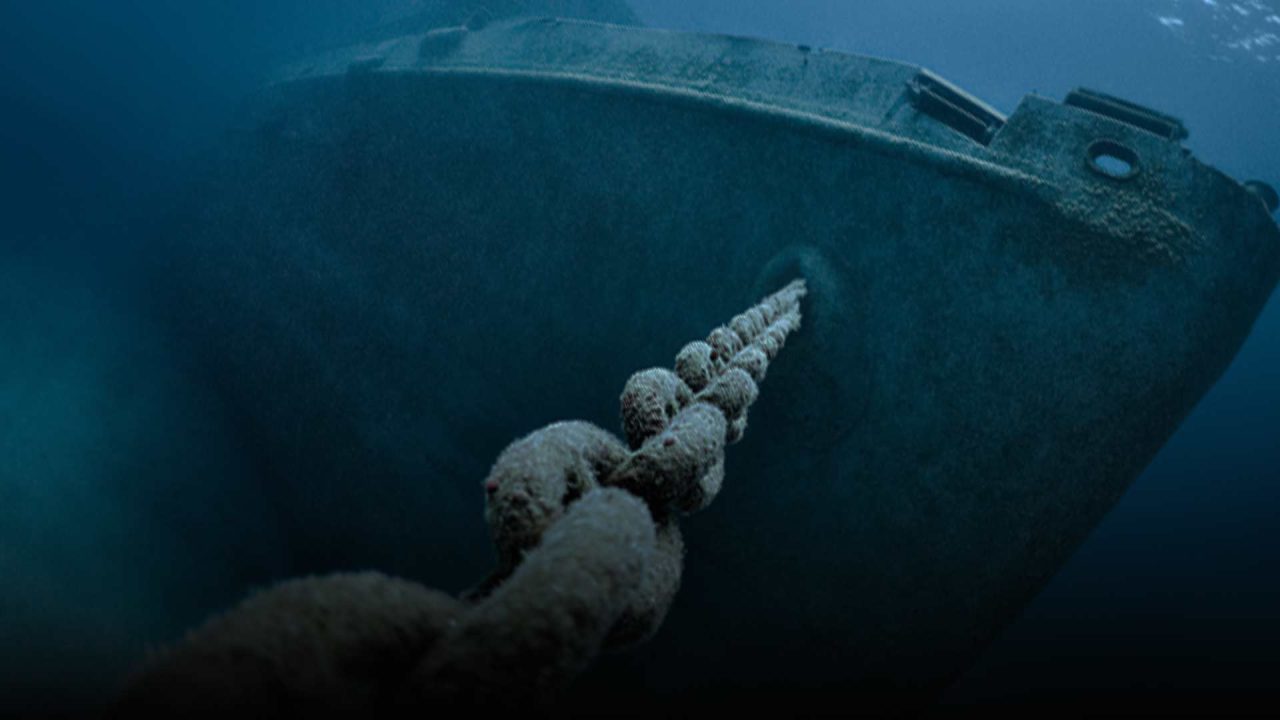
Alaskans deserve better than to pay for a century-old mistake. The Jones Act has served its architects well, but it has failed our state. It is time to cut this anchor loose and scuttle the Jones Act.
Call our congressional delegation today and demand their support for Jones Act reform and the Noncontiguous Shipping Relief Act:
— Sen. Lisa Murkowski: (202) 224-6665 | murkowski.senate.gov
— Sen. Dan Sullivan: (202) 224-3004 | sullivan.senate.gov
— Rep. Nick Begich: (202) 225-5765 | begich.house.gov
Tell them Alaskans are ready to cut this anchor and sail toward prosperity.
The views expressed here are those of the author.






8 Comments
Instead of partial measures, just repeal the law and if necessary, write another one with more sense. period.
That is to much of a challenge for him or any legislative person.
MCCABE IS A 78 YEAR OLD ANCHOR DRAGGING ALASKAS ECONOMY UNDER WATER!
Hmmm, you offer no solution, just an all caps scream of your flawed opinion.
SOLUTION IS STOP RHINOS FROM MIGRATING INTO ACTUAL CONSERVATIVE PASTURES! IT WILL WORK! CAPITALIZED FOR THE DEAF!
Came here to say this.
Thank you Kevin. It’s time for this law to be repealed! Repeal will benefit all Alaskans!
MCCABE AND HUGHES! A TEAM TO GET OUT THE VOTE FOR! DUMB AND DUMBER! CIRCUS CLOWNS!