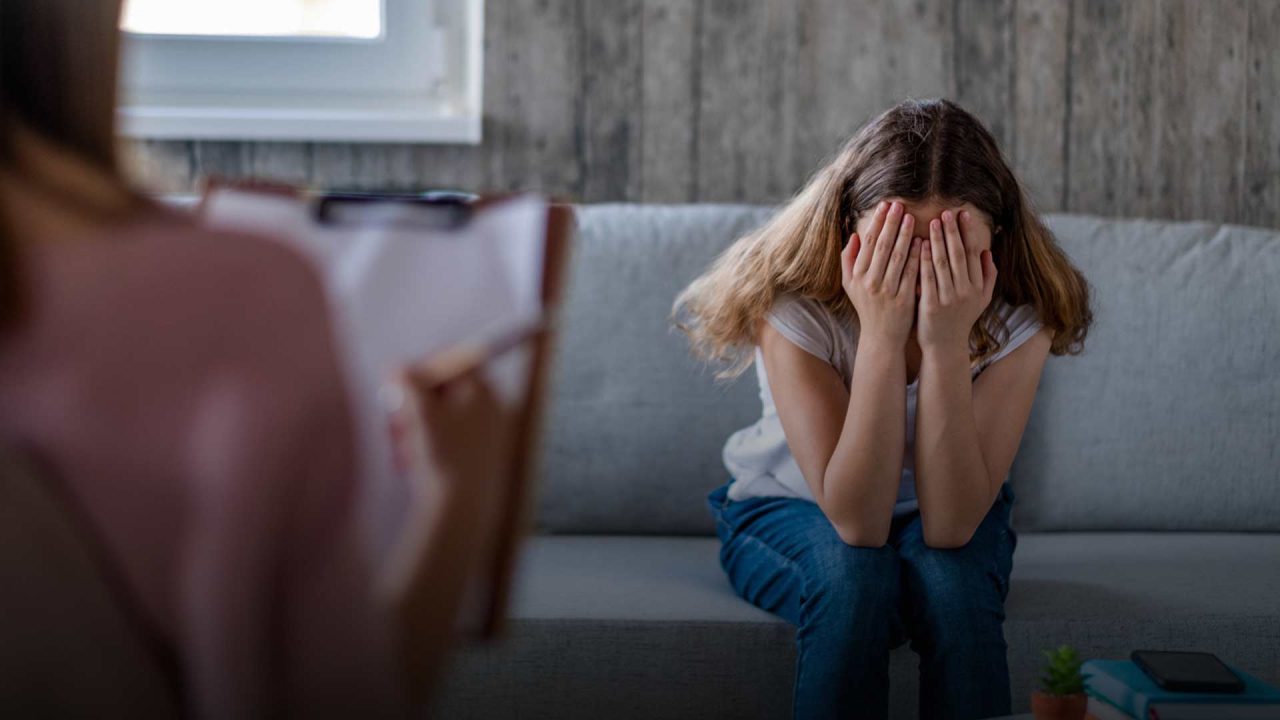

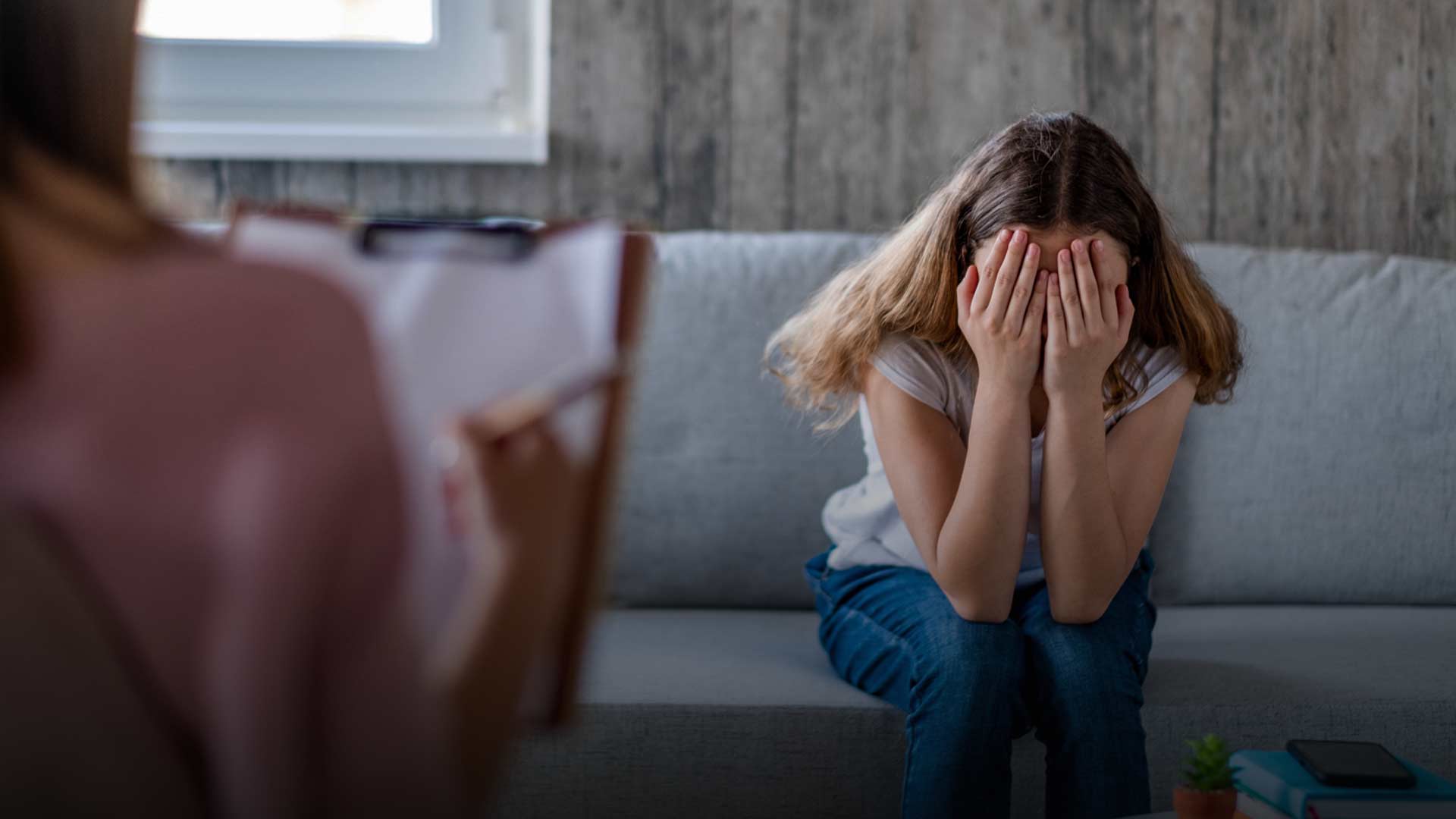
The Alaska Legislature has introduced two bills – SB90 and HB232 – that remove parents from the decision-making process regarding behavioral medicine for their teen children.
These bills allow minors as young as 16 to receive behavioral and mental health services without parental consent, while also limiting oversight after just five sessions. While access to care is critical, this approach sidelines families and removes important safeguards that help ensure young people receive the right support.
WHY YOU SHOULD CARE
Parents and guardians play a vital role in a child’s well-being. Cutting them out of the process, except under narrow conditions, can lead to fragmented care, missed warning signs, and long-term consequences for teens already facing challenges. We can support youth mental health without weakening family involvement or accountability.
Your first action is simple: We are fighting two bad bills in Alaska and would like you to use your voice now by contacting the House and Senate Rules committees and asking them to vote NO on HB 232 and SB 90. Your voice matters, especially for those who can’t advocate for themselves. Email them at Senate.Rules@akleg.gov and House.Rules@akleg.gov.
Here is a suggested message to your senators and representatives:
“I am writing as a concerned constituent to share my thoughts on HB 232 and SB 90, which address consent for behavioral and mental health treatment for minors.
I strongly support improving access to mental health care for young people. However, I am concerned that this bill may unintentionally reduce parents’ and guardians’ involvement in important healthcare decisions. Families play a critical role in supporting minors through mental health challenges, and maintaining that connection is essential for effective, long-term care.
I am particularly concerned about provisions that allow ongoing behavioral or mental health services without parental awareness under certain circumstances. While I understand there are situations where this may be appropriate, I believe safeguards should be carefully balanced to ensure both the well-being of the minor and appropriate family involvement whenever possible.
I respectfully ask that you consider these concerns as HB 232 and SB 90 move forward and vote no on the bill. I would appreciate any information you can share about your perspective on this issue and how you plan to approach it.
Thank you for your time and for your service to our community.”
You can find your senator and representative here. and scroll all the way down the page until you see “Who Represents Me?”. Put your address in and search.
Thanks for helping–we depend on you.
The views expressed here are those of the author.




7 Comments
These perverts always go after the kids.
SB90 sponsors: SENATORS Cathy GIESSEL, Loki Tobin, and Matt Claman see sponsor statement at https://www.akleg.gov/basis/get_documents.asp?session=34&docid=4293
HB232 Sponsor: Repr. Andrew Gray see sponsor statement at https://www.akleg.gov/basis/get_documents.asp?session=34&docid=8548
These two bills need to be flushed down the toilet and never look back. If this is the talent of these legislatures then the State of Alaska is in trouble to day and until their terms are over. Get rid of these two bills…..garbage, like the two garbage heads that thought this garbage up, SB-90 and HB232…
Actually, parents, grandparents and all other Alaskans need to contact their Representative and Senator to object to this removal of a parent’s right to raise their child. You can find your senator and representative at https://akleg.gov/index.php ., and scroll all the way down the page until you see “Who Represents Me?”. Put your address in and search. Children need you now!
Contact George rauscher and let him know that his choice of chief of his very own office and staff was impeccable in representing what occurs behind the closed doors with George rauschers name on it!!!
There is a lot of parental unawareness with kids 16 and over, maybe focus on that instead. Access to mental health care is vital for our youth in this state.
What if the parent(s) is the cause of the challenged mental health?