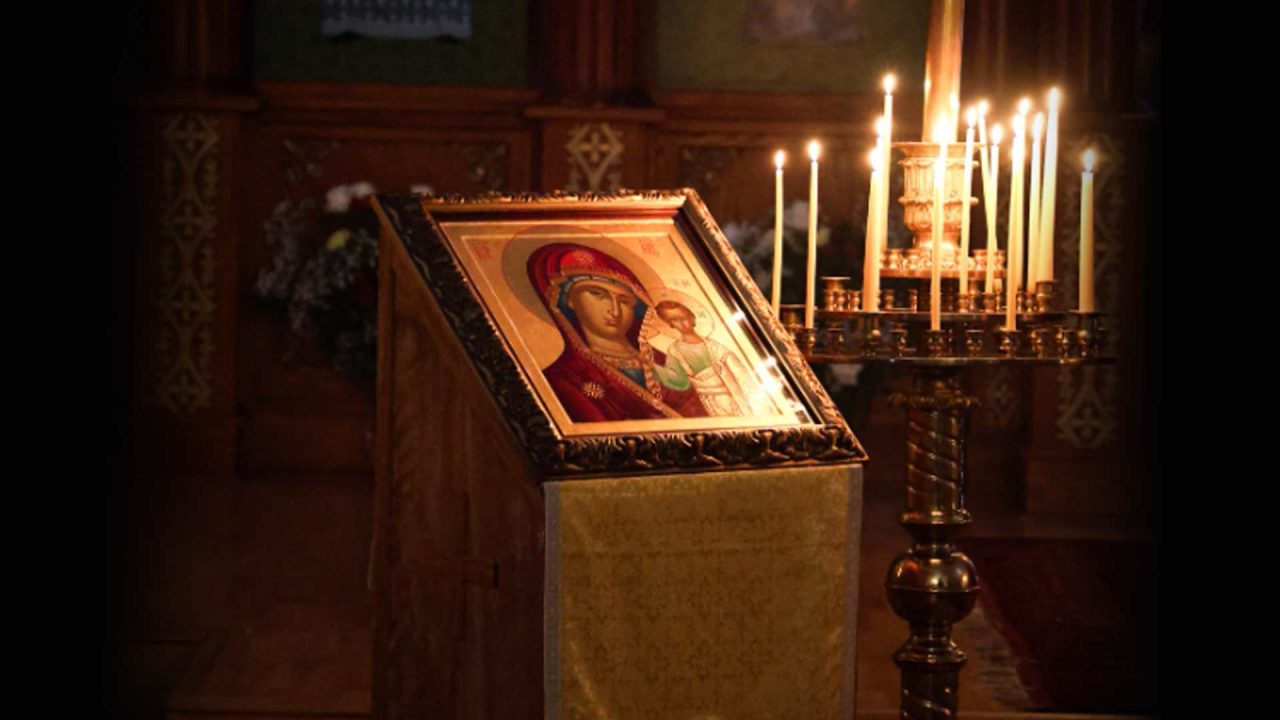


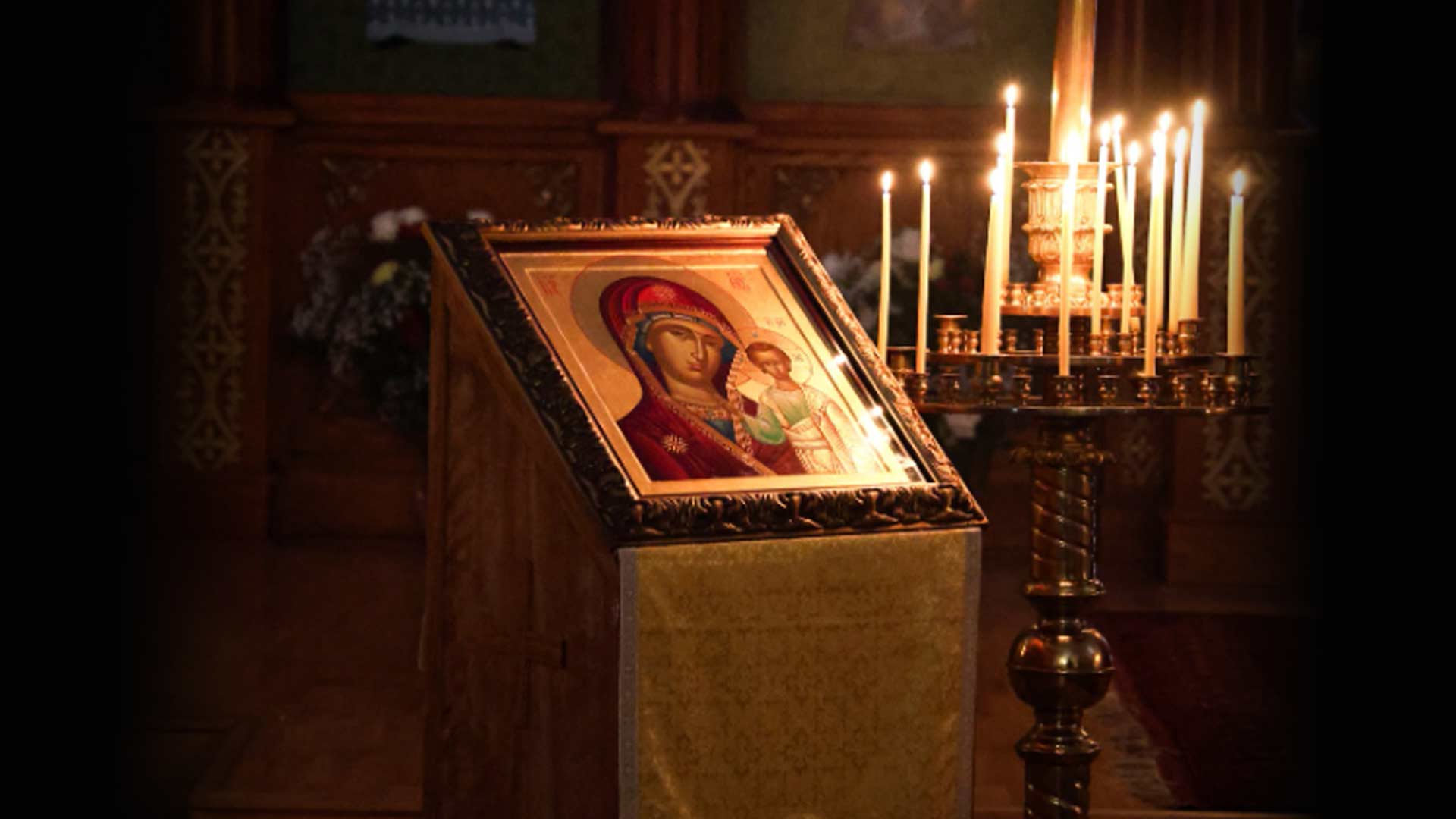
While radio stations, department stores and most Alaskans have moved on from the Christmas season, thousands of Orthodox Christians in Alaska have only just started to celebrate. That’s because the Russian Orthodox Diocese of Sitka and Alaska follow the Julian calendar, which is 13 days behind the modern Gregorian calendar. That places the start of Christmas on Jan. 7.
In his Christmas letter to Orthodox believers around the state, the Archbishop of Sitka and Alaska Alexei recalled the words of the Gospel which brought tidings of “great joy” to the shepherds that “unto you is born this day in the city of David a Savior, who is Christ the Lord.”
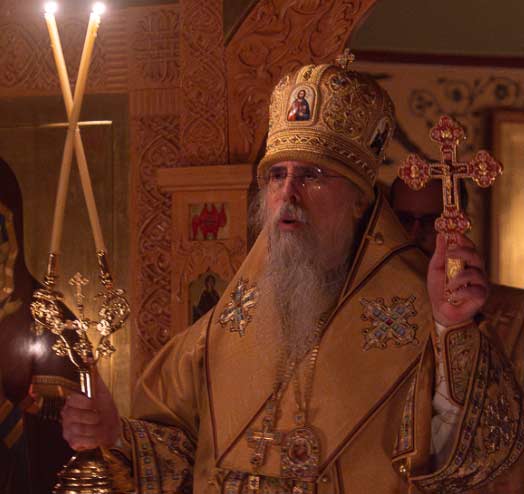
“The words the angel once spoke to a handful of shepherds on a Judean hillside, he now proclaims to us over the cold shores, frozen rivers, and islands of Alaska,” Archbishop Alexei noted. “Fear not. A Savior is born for your home, for your village, for your heart.”
Up until the 20th century, all Orthodox churches around the world followed the Julian calendar, created in the first century B.C. under Julius Caesar. By the 20th century, however, most of the globe had adopted the Gregorian calendar, introduced by Pope Gregory XIII in the 16th century to correct disparities between astronomical calculations and fixed calendar dates. Some Orthodox churches adopted the newer Gregorian calendar while others – most notably the Russian Orthodox Church – kept to the Julian.
Archbishop Alexei highlighted the longstanding tradition of “starring,” which consists of groups visiting individual homes to sing songs – often in Russian, Yup’ik, Alutiiq, Dena’ina and other languages – as they spin a large, elaborately decorated nativity star in memory of the Star of Bethlehem.
“Once again, the star goes before us through our villages and towns, as children’s voices rise in Slavic starring carols,” he said. “The Holy Fathers teach that Christ was born in a cave because this world is like a dark cave, which He alone can illumine. He who is the Ancient of Days humbled Himself and became a Child. The Creator became a creature, yet remained the God of all, taking upon Himself our weakness, our poverty, and our death to give us His purity, His love, and His everlasting Life.”
He emphasized that there is “no place in Alaska so remote, no soul so dark, that the Christ Child of Bethlehem cannot enter and bring His light.”
Many Alaska Natives have enduring ties to Orthodox Christianity, as the first mission was established on Kodiak Island in the late 1700s with the arrival of Russian fur traders and, later, priests. At that time, numerous Orthodox clergy learned the local Native language and traditions, and helped create an alphabet in order to translate Sacred Scripture into the Native tongue.
Archbishop Alexei noted that the continued celebration of Christmas serves to dispel the darkness of the modern world, which is weighed down by sickness, loneliness, broken homes, addiction and shadows of despair.
“Even in Alaska, where the beauty of God’s creation surrounds us, many feel that the winter within their hearts is colder than the storm outside,” he said. “Yet it is precisely into such a world, into this very darkness, that Christ our God is born.”
He emphasized that there is “no place in Alaska so remote, no soul so dark, that the Christ Child of Bethlehem cannot enter and bring His light.”
The archbishop then called his flock to give their hearts to God and receive his unshakable peace.
“To give Him our heart is to repent: to open the hidden door of the heart and let His light fall on what we would rather keep in the dark; to go to confession; to forgive the one who has hurt us; to turn away from the glowing screens and the cold bottle, which both numb the soul…”
He noted the many ways in which the light of Christ is made manifest in Alaska.
ALASKA WATCHMAN DIRECT TO YOUR INBOX
“In this land, the bright moments our Orthodox faith gives us are no small thing: the village church, the icons on our walls, the gatherings for Slaviq, the quiet prayer before sleep,” Archbishop Alexei said. “These are windows through which the Light of Christ shines into our lives. At the same time, the Holy Child comes to us in our neighbor. In Alaska this is very concrete. When you share what you have, some moose or some salmon, with those in need; when you visit the sick, the lonely Elder, the one in treatment or in prison; when you bring the star and the carols into the home that is hurting, then the cave of Bethlehem opens in that house and the angels quietly rejoice.”
He concluded by urging Orthodox believers to “not let this Feast pass as only a week of food and presents after the world’s holidays have ended,” but to worship God through the sacred liturgies, “even if you are tired.”
“Bring your children, even if they are restless,” he said. “Put the icon of the Nativity in the center of your home, light a candle, and sing the troparion of the Nativity in every language you can. Let the children see that the heart of Christmas is Christ, and that all good things flow from Him: our joy, our laughter, our songs, our feasts, our very life.”
To those who “feel far from the Church, who have not confessed for many years, who are burdened by sins you are ashamed to name,” the archbishop encouraged them to “fear not.”
“Come home. Come and kneel before Him in confession and Holy Communion,” he said. “Come and let the light of His face fall once more upon your soul. There is no sin His humility cannot forgive; no wound His love cannot heal.”




3 Comments
I loved this article, Joel. Thank you.
Glory to God.
Joel, what a lovely positive article to enjoy, especially given the times we are living in. Thank you for sharing this with AW readers.