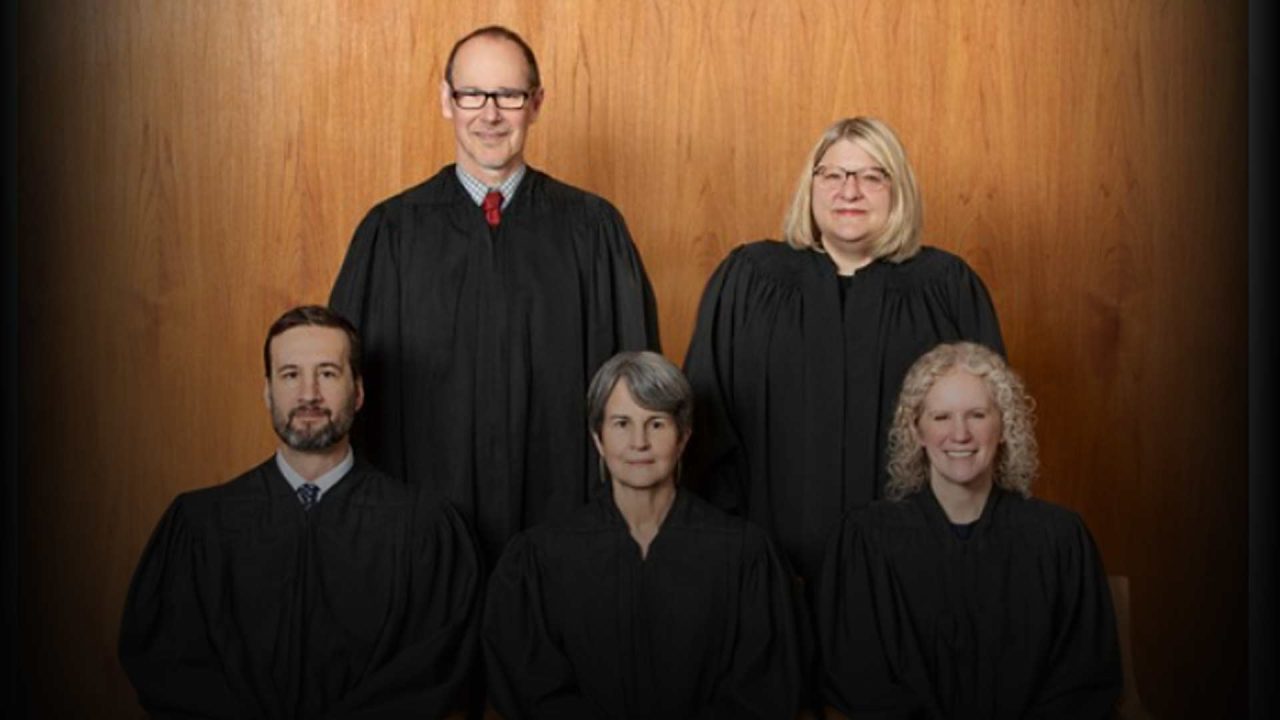


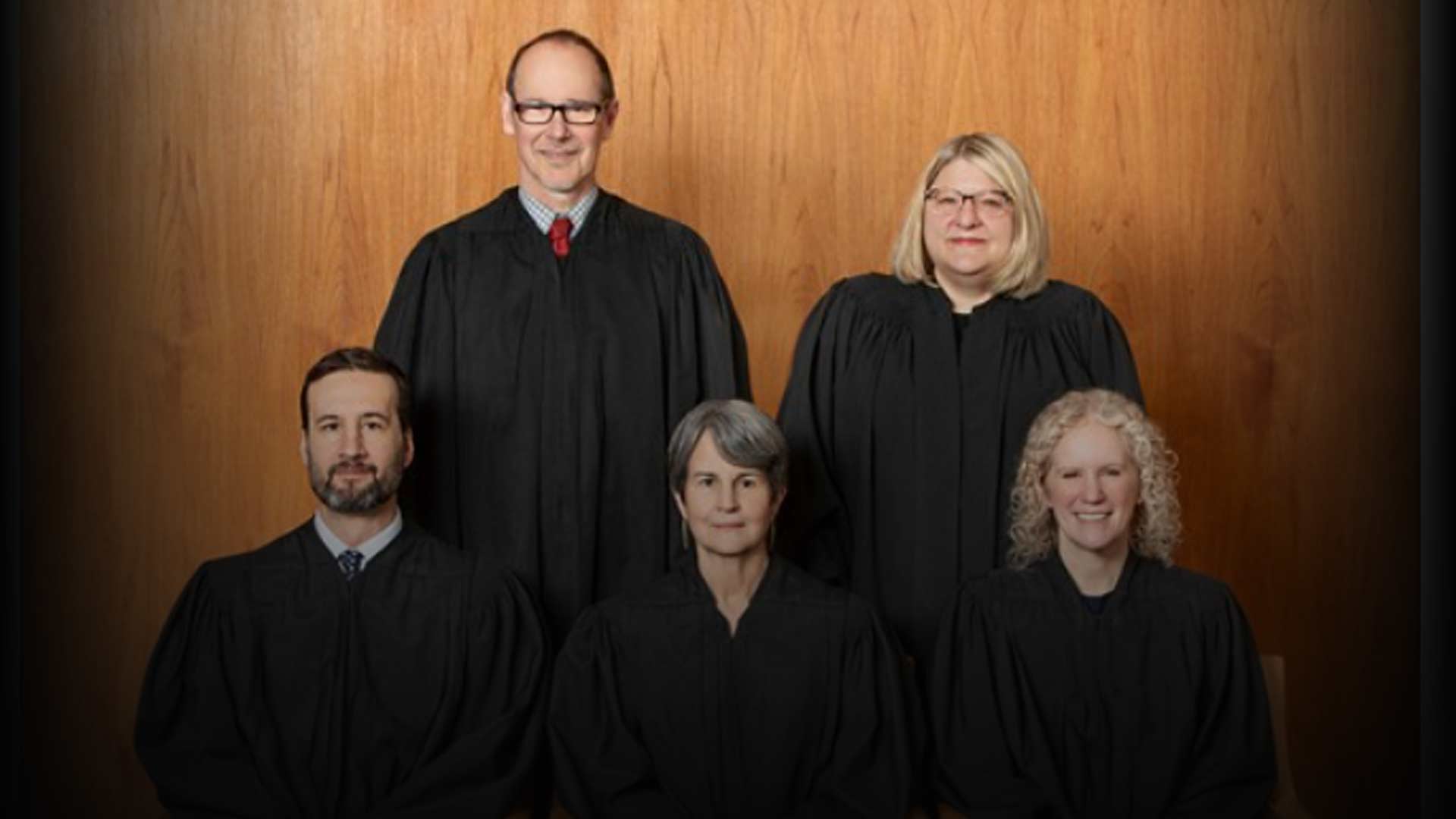
In a ruling that could chill the ability of Alaska nonprofits to freely educate the public and argue for policies that they believe best serve the state, the Alaska Supreme Court issued a Feb. 13 opinion claiming that Alaska Policy Forum (APF) broke campaign finance laws in opposing the 2020 ranked-choice voting ballot measure.
APF was represented by The Institute for Free Speech (IFS), a national legal group that promotes and defends First Amendment rights to freely speak, assemble, publish, and petition the government through strategic litigation, communication, activism, training, research, and education.
The case in question began in 2020 when Alaska Policy Forum began critically examining the merits of ranked-choice voting, determining what effects it has had elsewhere and communicating its findings to the public.
The Institute for Free Speech argued that the 2020 complaint should have been dismissed since none of APF’s communications even mentioned Ballot Measure 2.
APF is a nonpartisan, conservative-leaning nonprofit think tank whose mission is to “empower and educate Alaskans and policymakers by promoting policies that grow freedom for all.”
With regard to ranked-choice voting, APF authored a report on the controversial voting system and issued a press release to promote its findings. APF’s website also published content from other people and organizations who shared their views with regard to the harms associated with ranked-choice voting. This included a YouTube video and an op-ed article.
Ranked-choice supporters then filed a complaint with the Alaska Public Offices Commission (APOC), which enforces campaign finance laws, alleging that APF’s communications were illegal advocacy against Ballot Measure 2, which sought to enact ranked-choice voting.
The Institute for Free Speech argued that the 2020 complaint should have been dismissed since none of APF’s communications even mentioned Ballot Measure 2, most made no reference to the upcoming election at all, and several were simply re-posted content aimed at a national audience.
Regardless, APOC ruled that Alaska Policy Forum’s educational materials had run afoul of state campaign disclosure laws and it initially ordered the think tank to publicly expose its top donors, file reports with the state, and include campaign-style disclaimers on its communications, just like a political action committee.
APF stressed the burdens that APOC has placed on its mission, especially with regards to potentially compelling disclosure of principal officers and top contributors, which could chill free speech.
“Making matters worse, Alaska’s campaign finance laws have no monetary thresholds to protect groups that engage in small amounts of spending, nor do they have any donor reporting thresholds to shield small donors,” IFS noted in background summary of the case. “A group that spends even one dollar on regulated advocacy must expose all of its donors, even those who give just one penny. The state’s laws are among the worst in the nation for political speech.”
The legal group maintained that APOC’s ruling was a violation of First Amendment protections and odds with U.S. Supreme Court precedent that communications like APF’s can only be regulated as “campaign advocacy” if they are susceptible to no other reasonable interpretation than as “a call to vote.”
“APF’s speech about issues, without reference to the measure or the upcoming election, does not come close to meeting that test,” IFS maintained. “Think tanks have a First Amendment right to educate the public about their views and advocate for the policies they believe are best. States cannot use campaign finance laws to restrict this advocacy. Yet a recent ruling by the Alaska Public Offices Commission (APOC) does exactly that.
The Alaska Supreme Court disagreed and, in issuing its Feb. 13 opinion, affirmed a lower court decision that APF violated Alaska’s campaign finance laws by issuing communications aimed at influencing the ballot proposition, while failing to register as a group, report expenditures, and include “paid for by” disclosures on materials criticizing ranked-choice voting.
ALASKA WATCHMAN DIRECT TO YOUR INBOX
While APOC claims to have found violations, it waived all penalties due to what it considered “limited harm.” Nevertheless, the Alaska Supreme Court ruling could set a chilling precedent in future APOC finding in which the regulatory body decides to actively impose substantial fines and penalties.
During the case, APF stressed the burdens that APOC has placed on its mission, especially with regards to potentially compelling disclosure of principal officers and top contributors, which could chill free speech.
It also maintained that its materials constituted classic “issue advocacy,” focused solely on ranked-choice voting, which was just one aspect of the multi-part Ballot Measure 2. The measure also dealt with elements like open primaries, of which APF never discussed. APF claims its video, blog posts and a press release highlighting concerns about voter disenfranchisement and democratic threats, which were framed as educational discussions rather than calls to defeat a specific ballot measure.




11 Comments
Our brainless court is destructive and politically charged.
Hopefully they will appeal this decision.
the Alaska supreme court is enemy of the people. There should be no more than two attorneys on the selection board for judges. Any more than two is the fox guarding the hen house.
Yet there is four out v of six, since another judge ruled that retired lawyer is no lawyer anymore but “member of public” and his contract under AG of Alaska isn’t position of profit either.
Plus presiding chief judge from Supreme court.
The US Supreme Court decision IN Citizens United v. Federal Election Commission, a landmark 5-4 ruling issued on January 21, 2010, decided this is a “freedom of speech”, and therefor unconstitutional. This case held that restrictions on independent political spending by corporations, unions, and “other associations” violate the First Amendment’s protection of free speech. This ruling can not stand.
The Court ruled that if a person or organization spends money to speak about a ballot measure even indirectly they may have to file reports with the state and include “paid for by” disclosures on their materials. This applies to press releases, videos, blog posts, and even social‑media ads.
The Court approved the state’s use of a very broad standard. Speech can be regulated not only when it directly tells people how to vote, but also when it indirectly refers to a ballot measure or appears in the general timeframe of an election. The Court also said that even small amounts of spending can trigger reporting requirements.
Ordinary Alaskans who want to speak publicly about ballot issues especially online may now face legal obligations they didn’t know existed. The decision expands the state’s authority over political speech and narrows the space where citizens can speak freely without navigating campaign‑finance rules.
It seems as if the Alaska Policy Forum had a real impact on that ballot proposition last election. If there was no impact, then lawyer Scoooter Kendal would not have sued. There is always this year. What is really interesting is the decision states that if an op-ed supporting/opposing a ballot proposition is published in a paper, then APOC rules do not apply!!!!
907initiative got around the disclosure requirements for 2 years by creating its own definitions and calling themselves a watchdog. When it used 100s of thousands to through unsubstantiated mud at 2 specific candidates who were republican.
It looks like it is time to start watching all of the 8,000 liberal non-profits, who basically are money launders for large progressive groups. This group may lean conservative but I assure you it has not violated anywhere near what these progressive groups have. We just don’t have the millions from Soros to fund ours!
Our courts are so corrupt! Not sure how to deal with this, but really needs attention, more than it is getting. Haeg is trying really hard to hold them accountable, but it appears by this decision, that it will take more than he can do by himself. Get involved, Alaska or suffer the consequences.
All it ever takes is fake lawyer under false pretense to put everything in the hands of the court that can rule and overrule like a king.