
As of early 2026, Greenland is at the center of an intense geopolitical standoff, driven by persistent U.S. efforts to gain control of the island. Citing critical mineral resources and the need to counter Canadian, Russian and Chinese influence in the Arctic, the second Trump administration has pressured Denmark to allow an American takeover, a move firmly rejected by both Danish and Greenlandic authorities.
Many Americans are still navigating their own thoughts on what the ideal U.S. strategy for Greenland should look like, especially considering the complexities involved with the U.S. existing five major and permanently inhabited territories, including: Puerto Rico, Guam, U.S. Virgin Islands, American Samoa, and the Commonwealth of the Northern Mariana Islands (Saipan Island, etc.).
These unincorporated five permanently inhabited territories are under U.S. jurisdiction but are not states; they exist in a state of political limbo. Residents in these areas are subject to U.S. laws and federal taxation in some cases, yet they possess varying citizenship statuses – American Samoans are U.S. nationals rather than citizens – and they cannot vote in presidential elections or elect voting representatives to Congress.
Residents of Puerto Rico, Guam, the Northern Mariana Islands, and the U.S. Virgin Islands are U.S. citizens, while residents of American Samoa are U.S. nationals. Regardless of nationality or place of origin, all U.S. residents are ineligible to vote in federal elections, although some may participate in party primaries. All five U.S. territories are heavily subsidized, with a significant economic dependence on federal funding and social programs.
West European elites are acting on emotions and political naiveté, rather than logic and pragmatism, by opposing U.S. interests in Greenland.
The potential U.S. strategy for Greenland, presents a complex mix of strategic opportunities and diplomatic liabilities. There is valid concern that incorporating a new territory (Greenland) could create a “welfare state/territory” like the fiscal dependency of the current five U.S. territories.
Presently, Denmark provides an annual block grant of approximately DKK 3.9 billion (roughly $550–$600 million USD) to Greenland, accounting for about 20% of the island’s GDP and over half of its public budget. This subsidy sustains key public services, including healthcare, education, and social programs, as part of the Kingdom of Denmark’s commitment to the territory. Ultimately, if Denmark doesn’t pay the bill, U.S. taxpayers will.
Nevertheless, with Greenland’s massive untapped mineral wealth, rare earth elements, and its strategic importance in the Arctic against the U.S. rivals – Canada, Russia and China – its acquisition is regarded by some as a 21st-century “Alaska Purchase.” The U.S. is currently considering options ranging from a negotiated buyout of Greenland to creating a “Compact of Free Association” or establishing sovereign military zones. Of course, this is an uncharted political territory, with a “rocky road” in perspective.
Recent reports of January 2026 indicate that Russian President Vladimir Putin addressed the issue of the United States potentially acquiring Greenland. He stated that Russia has no interest in intervening in the disputes between the United States and Denmark regarding the status of Greenland. Speaking on Russian television (specifically in a meeting with his Security Council), Putin noted that Moscow does not view Greenland’s ownership as Russia’s concern.
ALASKA WATCHMAN DIRECT TO YOUR INBOX
Furthermore, President Putin pointedly described Denmark’s historical administration of Greenland from 1721 to 1953 as colonial and harsh, essentially dismissing Danish authority over the island and suggesting this history justifies U.S. interests in acquiring it. He also compared the potential acquisition of Greenland to historical land deals, such as the U.S. purchase of Alaska from Russia in 1867 for $7.2 million U.S. dollars; noting that today a fair price for Greenland could be around $1 billion, and “the United States can afford it.”
In contrast to President Putin’s position on Greenland, West European elites are acting on emotions and political naiveté, rather than logic and pragmatism, by opposing U.S. interests in Greenland, therefore, failing to recognize that Washington views the island as a critical asset for security and early warning systems – a strategic focus that has driven U.S. interest in acquiring the territory since 1946 and again in 1955.
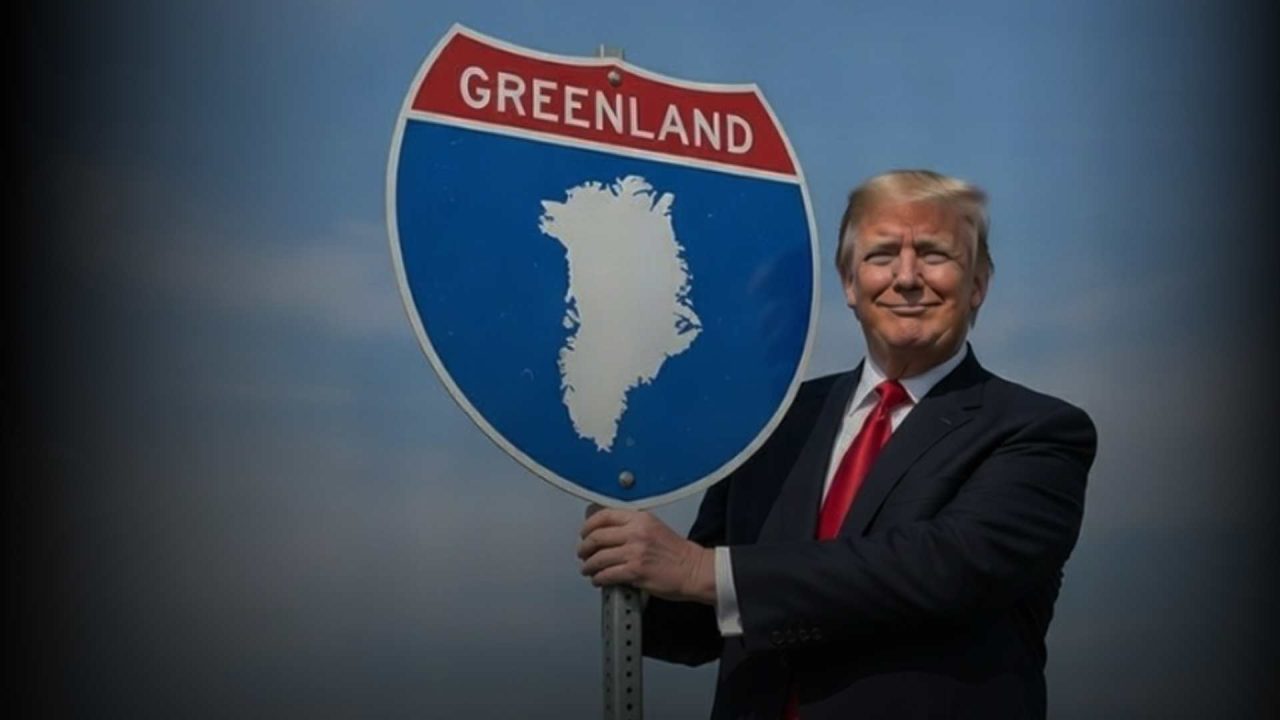
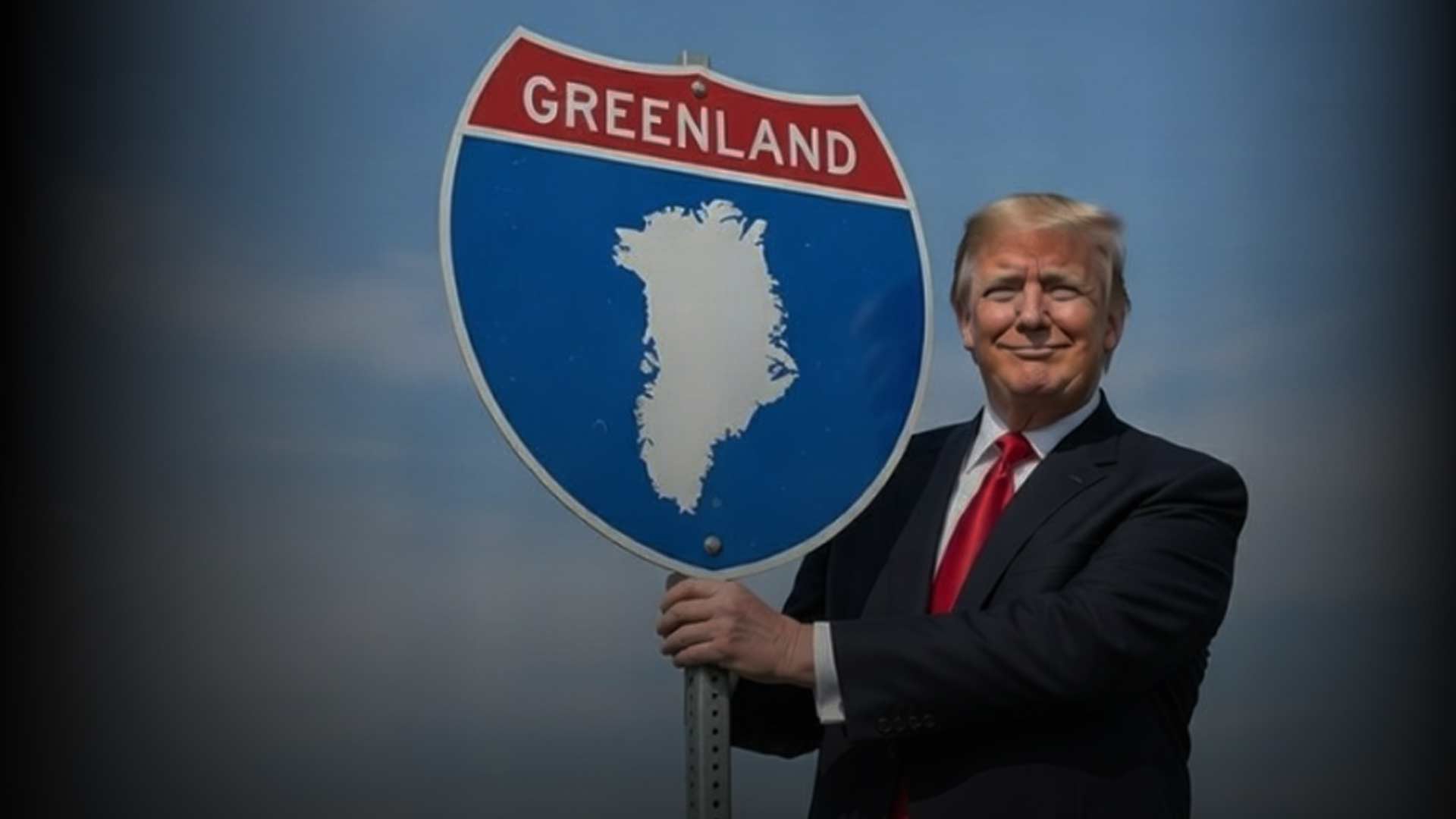
It should be noted that in early February of this year, President Trump shared an image on his social media platform, TruthSocial, that symbolically depicted Greenland as a U.S. territory, featuring the U.S. flag and a sign with the inscription in English: “Greenland, U.S. territory, est. 2026.”
The views expressed here are those of the author.





3 Comments
Greenland it is! Alaska has a stake in security for the North Pole and “top of the world” security of countries circling like drooling wolves attacking grandma’s apple pie. So, let’s keep working it till there is a coordinated deal for USA, Greenland, Denmark, and Canada.
Have you ever heard the phrase, “bread and circuses?” In a political context, the phrase means to generate public approval, not by excellence in public service or public policy, but by diversion, distraction, or by satisfying the most immediate or base requirements of a populace, by offering a palliative: for example food (bread) and/or entertainment (circuses). The ancient Roman poet Juvenal originally used it to decry the “selfishness” of common people and their neglect of wider concerns. The phrase implies a population’s erosion or ignorance of civic duty as a priority.
In other words: “As long as I can watch football on TV and have pizza delivered to my door, I don’t really care what Trump does.” This kind of apathy and indifference, sadly, is working to Trump’s advantage. And the GOP majority in Congress has completely abdicated their responsibiility to keep Trump in check.
Interesting analogy, “bread and circuses,” I learned something new today.