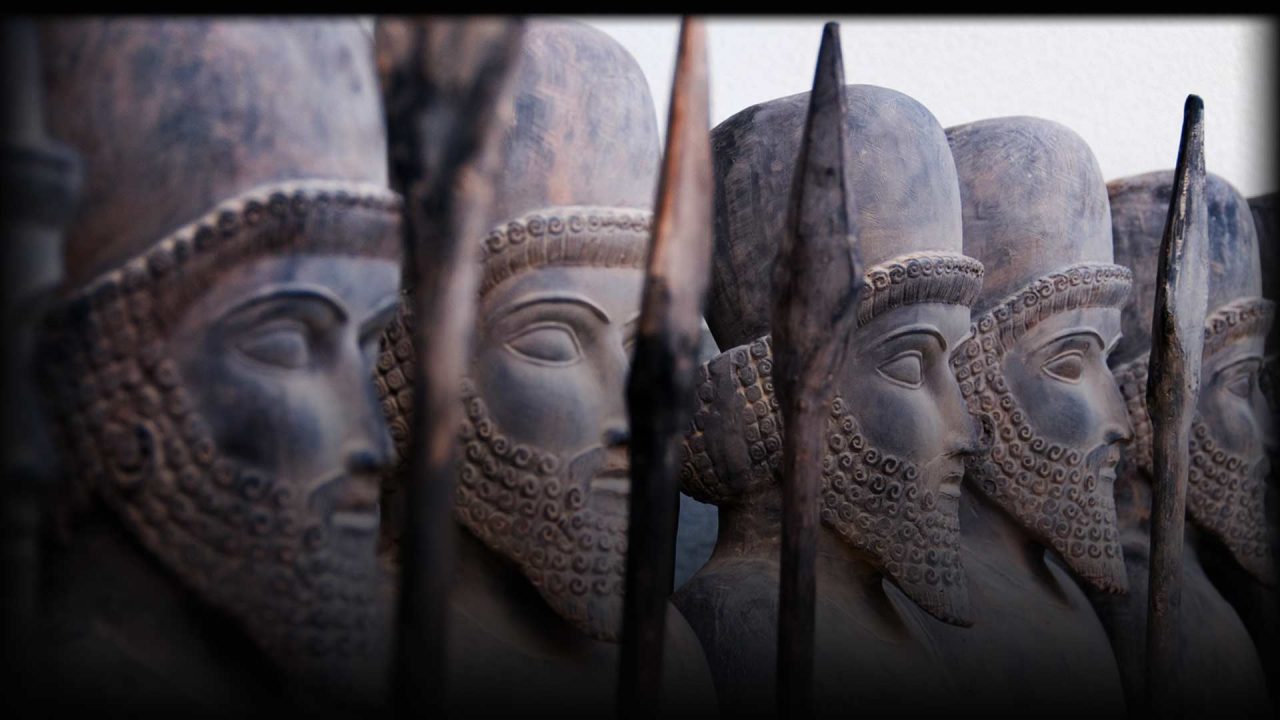


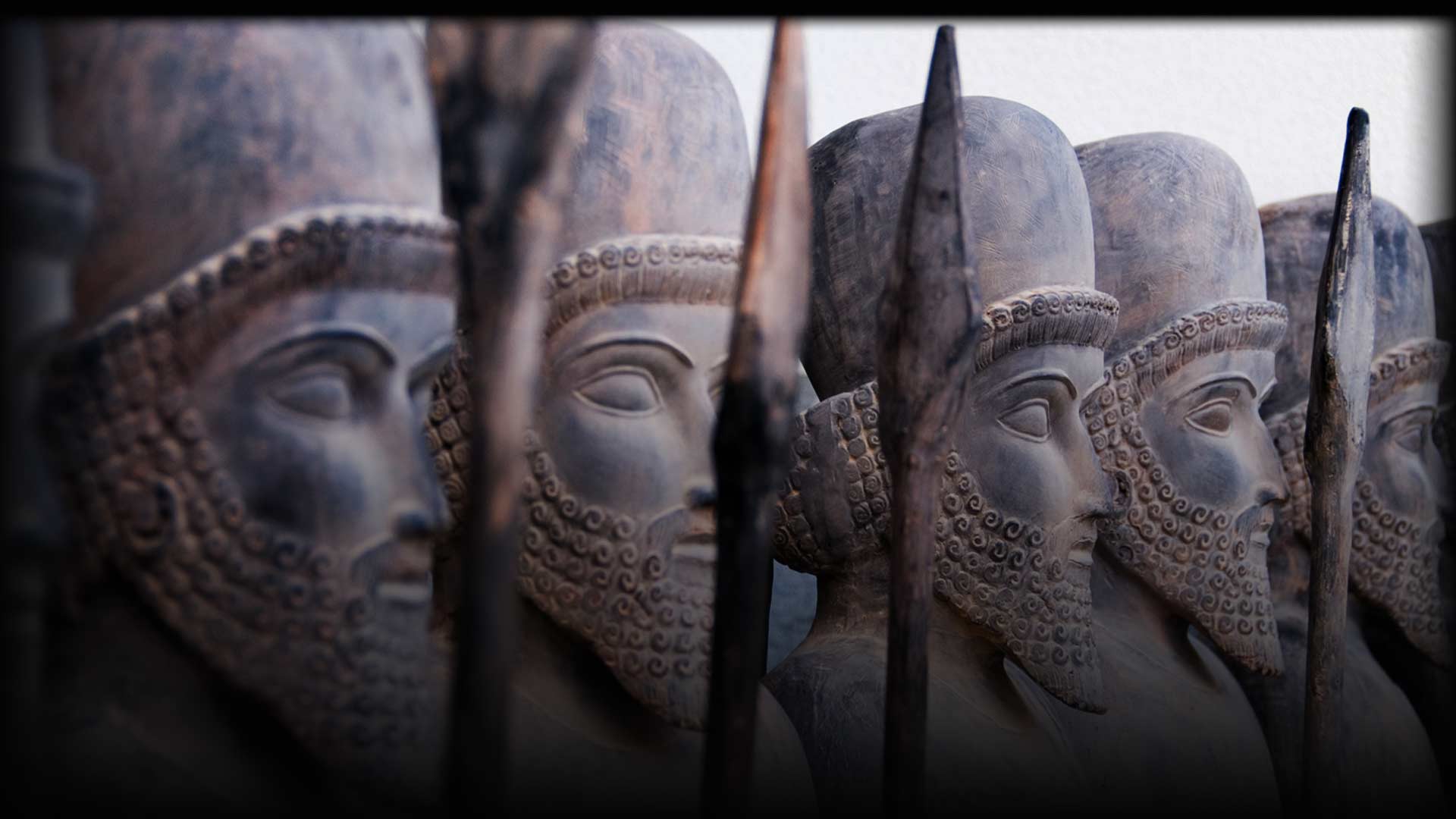
With over 5,000 years of recorded history, Iran (historically known as Persia) is one of the world’s oldest continuous civilizations. Its statehood began with the ancient Elamite civilization in the 3rd millennium BC, setting the stage for the massive Achaemenid Persian Empire established by Cyrus the Great in the 6th century BC.
Despite falling to Arab conquests in the 7th century AD, which brought Islam to the region, Persia retained its cultural identity and later experienced a significant artistic and political resurgence under the Safavid dynasty (1501–1736 AD); it was a major Persian ruling that established Shia Islam as the state religion of Persia.
Iran (then Persia) came under significant European influence primarily during the 19th and early 20th centuries, dominated by the Russian and British Empires through various treaties, economic concessions and a 1907 agreement dividing the country into spheres of influence. While never formally colonized, Iran faced extreme interference, losing territory and control over its economy and, finally, came under the influence of European powers. In 1979, following a revolution, it became an Islamic Republic.
Indeed, the history of Iran traces the journey of one of the world’s oldest civilizations. The country’s major stages of development can be divided into several key periods:
Ancient Persia (c. 3000 BC–651 AD):
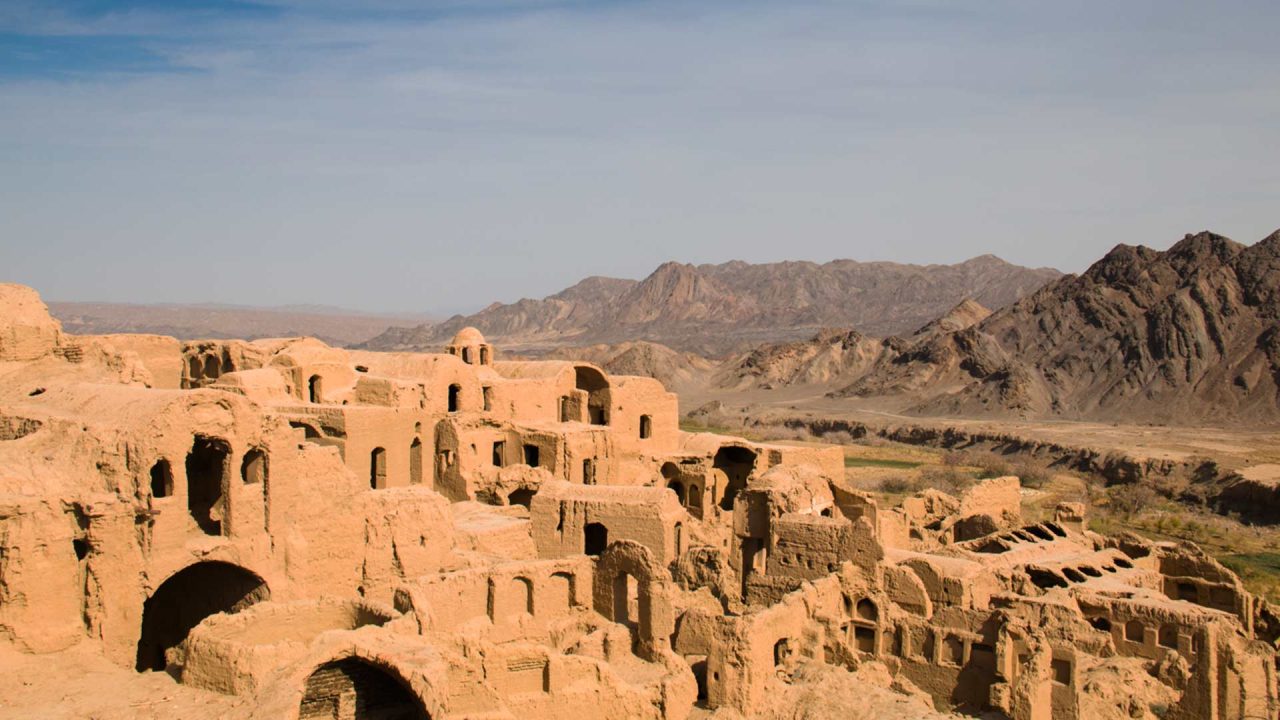
Around 3000 BC, the region of Ancient Persia (modern-day Iran) saw the rise of early urban centers like Susa (known in the Bible’s Book of Esther as Shushan) and the Proto-Elamite civilization, characterized by the development of unique, undeciphered pictographic writing, complex administrative systems, advanced metallurgy, painted pottery, and sophisticated agriculture, marking a crucial transition into urbanized society. This period is associated with the zenith of Persian power and the formation of a unique culture. During this period, Zoroastrianism was the dominant religion/teaching. Zoroastrianism is a monotheistic religion, founded by the prophet Zarathustra (Zoroaster) around 4,000 years ago.
Achaemenid Empire (559–330 BC):
Founded by Cyrus the Great, this was the first true Persian Empire, stretching from the Mediterranean to India. It became the first global empire, uniting lands from India to Greece. It was later conquered by Alexander the Great (356–323 BC).
The Achaemenid Empire achieved major accomplishments by creating the world’s first superpower, spanning three continents. Key successes included building the extensive Royal Road and a formal postal system, implementing advanced administrative reforms like provinces, and promoting religious tolerance and cultural diversity. Other major achievements included Qanat irrigation systems, standardized currency (Darics), and architectural marvels like Persepolis – the ceremonial capital of the Achaemenid Empire.
Parthian & Sasanian Empires:
Following Greek rule, the Parthians reclaimed the region. The Sasanian dynasty (224–651 AD) later established a “golden age” of Persian art, architecture and the formalization of Zoroastrianism as the state religion.
The Parthian (247 BCE–224 CE) and Sasanian (224–651 CE – Common Era) Empires were dominant Iranian powers that controlled the Silk Road – bridged East and West – and fostered significant cultural and military advancements. Parthians excelled in horse-archer tactics and trade management, while the Sassanians established a highly centralized state, revived Zoroastrianism, and produced sophisticated art and architecture.
ALASKA WATCHMAN DIRECT TO YOUR INBOX
Islamic & Pre-Modern Era (651 AD–1900s):
Islamic Conquest: Arab armies defeated the Sasanians in the 7th century, bringing Islam to the region. The spread of Islam also coincided with the preservation of a distinct Persian cultural identity. The rule of the Safavid dynasty (16th–18th centuries) – which established Shi’ism as the state religion – and the Qajar dynasty (19th century), under whose rule the country fell under the influence of Russia and Great Britain, losing significant territory in a series of conflicts.
The Russo-Iranian Wars:
Historically called the Russo-Persian Wars, these were a series of five major military conflicts between the Russian Empire and the Iranian dynasties (Safavid and Qajar) from 1651 to 1828. This conflict was primarily for control over the Caucasus, a strategic region between the Black and Caspian Seas.
The wars effectively ended Iranian influence in the Caucasus and established Russia as the dominant regional power. The resulting borders created by the 19th-century treaties largely defined the modern boundaries between Russia, Azerbaijan, Armenia and Iran. Later interactions included the joint Anglo-Soviet military crossing of Iran in 1941 during World War II to secure supply lines and oil fields, known as a Lend-Lease route.
Persian Dynasties & Foreign Rule:
Over several centuries, various dynasties rose, including Persianized Seljuk Turks and the Mongols under Genghis Khan; yet a distinct Persian cultural identity persisted. Persian dynasties and foreign rulers created one of history’s largest, most influential superpowers, notable for inventing the satrapy system (an administrative structure that divided vast territories into provinces called satrapies), constructing the Royal Road, establishing standardized currency/weights, and enforcing a policy of multicultural, religious tolerance.
Safavid Dynasty (1501-1736):
Initiated by Shah Ismail I, the Safavid era marked a watershed moment by uniting Iran, establishing Shi’ite Islam as the official state religion, and forging a distinct national identity that persists today. By revitalizing Persian culture and enhancing military strength, they transformed Iran into a vital economic and geopolitical power between East and West, famously building artistic marvels in their central capital of Isfahan
Modern Iran (1900s–Present)
Pahlavi Dynasty: In 1921, Reza Khan seized power, becoming Shah in 1925, and initiated intense modernization efforts. He officially renamed the country Iran in 1935. The word “Iran” derives from the Middle Persian word Ērān and the Proto-Iranian term aryānām, meaning “land of the Aryans.” It represents the ancient self-designation of Indo-Iranian peoples (meaning noble or free).
1953 Coup: The CIA/British-backed coup removed the democratically elected Prime Minister Mohammad Mossadegh, who had nationalized the oil industry, strengthening Shah Mohammad Reza Pahlavi’s autocratic rule.
1979 Revolution: Widespread discontent with the Shah’s autocracy, repression and rapid Westernization led to a widespread uprising led by Ayatollah Ruhollah Khomeini, transforming Iran into a tyrannic Islamic Republic.
Post-Revolution: The new regime faced an eight-year war with Iraq (1980s), ongoing sanctions and persistent geopolitical tensions with the United States and Israel. Post-1979 revolution transformed Iran from a U.S. ally into a revolutionary anti-Western power, establishing a Shiite Crescent proxy network – including Hezbollah in Lebanon, the Houthis in Yemen and Hamas in Gaza – to counter U.S. and Israeli influence.
Driven by ideological goals of exporting the revolution, Tehran relies on the IRGC (Islamic Revolutionary Guard Corps) to manage regional security to ensure regime survival. Iran utilizes its position along the Strait of Hormuz for strategic deterrence against mounting “maximum pressure” sanctions.
Today, the conflict between Iran and the U.S./Israel persists through intense, multifaceted confrontations focused on dismantling Iran’s nuclear program, curbing its missile capabilities and eliminating its regional proxy networks. While sharing goals of reducing Iranian influence, a key ongoing perspective is the diverging endgame: the U.S. focuses on military degradation, while Israel pursues wider regime change and long-term security against the Shia Crescent.
Synthesis:
Although Persia (modern-day Iran) had functioned as a paramount center of civilization, trade and imperial power for thousands of years, it underwent a profound transformation following the 7th-century Arab conquests. It took approximately three centuries for Islam to become the dominant religion, a transition that, while gradual, was driven by initial military conquest and subsequent systemic pressure rather than immediate voluntary adoption.
Driven by a profound sense of history and Persian identity, Iran has emerged as a formidable, yet isolated, regional power. Today, it faces a defining, “knife-edge” moment – a critical fine line between success and failure – that will determine whether it continues to grow as a regional hegemon under its current clerical leadership or collapses under the weight of mounting internal crises and external pressures, including today’s warfare.
The views expressed here are those of the author.