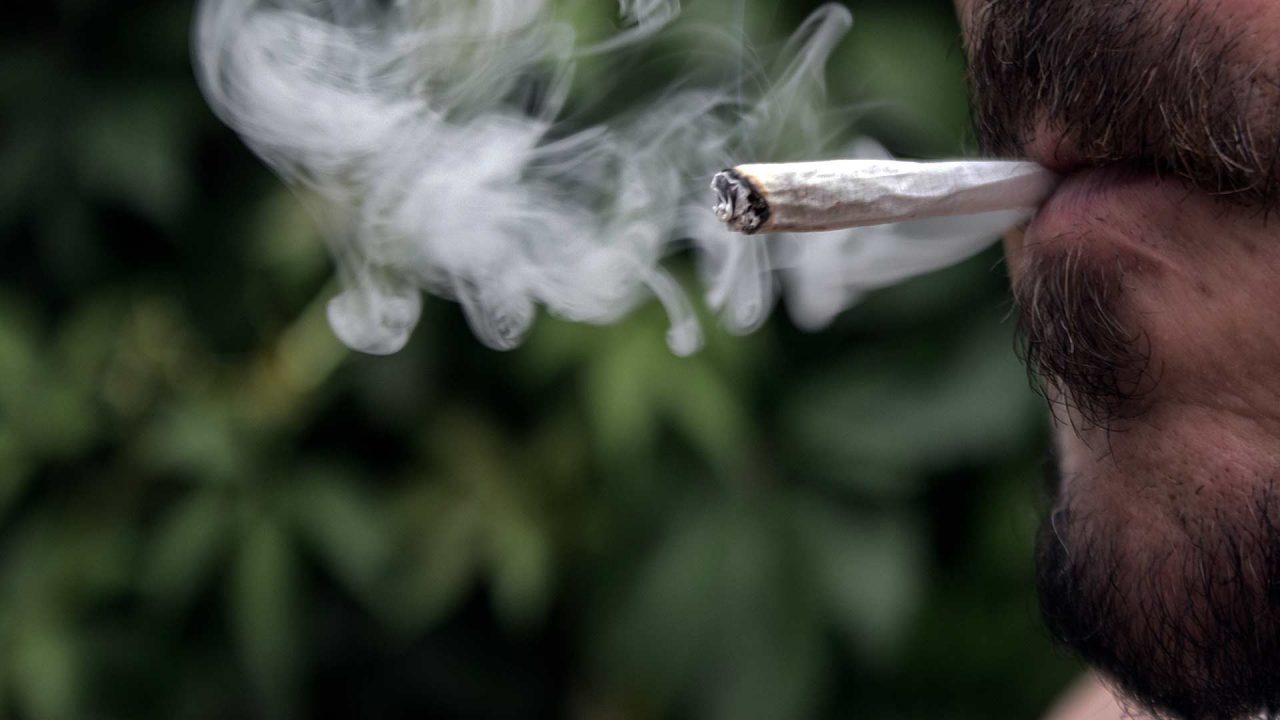

The number of Americans who smoke marijuana has reached an all-time high, according to a new Gallup poll, with 17% of U.S. residents now lighting up. The surge in weed use represents more than double the 7% who said they smoked marijuana in 2013.
Alaskans, however, are much more inclined to use marijuana. According to the latest data from 2024, 21.15% of Alaskans admitted to using marijuana over the past month with nearly 23% of Alaskans (18+) saying the same. Unlike the Gallup poll, which does not limit the question to monthly usage, the Alaska data reflects only those who smoked within the last month. Without that time limit, Alaska’s marijuana usage is likely much higher.
According to the Gallup poll, 15% of U.S. adults also say they consume marijuana edibles, up slightly from 14% in 2022 and 12% in 2024.
Nationally, younger adults drive much of the marijuana use. Among those aged 18 to 29, 23% report smoking marijuana, while 25% of adults aged 30 to 49 say the same. The rate falls sharply among older groups: 10% of those 50 to 64 and just 5% of adults 65 and older. Edible consumption follows a similar age pattern, though the differences are somewhat less stark.
In 2014, Alaska legalized marijuana for recreational use. There are now more than 200 retail stores along with several hundred cultivation facilities across the state.
Marijuana use – both smoking and edibles – is higher among adults with less education, those who are less religious, and people who drink alcohol. Marijuana smokers tend to have lower household incomes than non-smokers, a gap not observed among edible users.
Public opinion on marijuana’s effects remains closely divided. Forty-seven percent of Americans say the drug has a very or somewhat positive effect on most users, while 46% view its impact as very or somewhat negative. Earlier readings showed a slight positive lean in 2022 (53%) and a slight negative lean in 2024 (51%).
The rise in marijuana use stands in contrast to long-term declines in cigarette smoking. Just 11% of adults now smoke cigarettes, matching the record low Gallup has tracked in recent years. Cigarette smoking has fallen dramatically from a high of 45% in 1954 and has stayed below 20% since 2015.
The marijuana data underscore a significant shift in American habits over the past decade, with smoking rates more than doubling as legalization has expanded and social acceptance has grown.
In 2014, Alaska legalized marijuana for recreational use. There are now more than 200 retail stores along with several hundred cultivation facilities across the state.
ALASKA WATCHMAN DIRECT TO YOUR INBOX
While supporters of legal marijuana claim it brings health benefits and increases tax revenue, critics of widespread marijuana consumption point to studies that show it impairs memory, increases engagement in risky behaviors and impairs driving.
Others warn that heavy and long-term cannabis use in adolescents carries substantial risks, including slower brain development, adverse psychological outcomes, addiction and mental illness.
A 2022 report in Tablet notes that modern-day marijuana is unrecognizable to that of the 1960s. The now edible, vapeable, and drinkable cannabis-based products are far more potent than the weed of decades past. “Addiction medicine doctors and relatives of addicts say it has become a hardcore drug, like cocaine or methamphetamines,” Tablet reports. “Chronic use leads to the same outcomes commonly associated with those harder substances: overdose, psychosis, suicidality. And yet it’s been marketed as a kind of elixir and sold like candy for grown-ups.”
Since widespread legalization of recreational marijuana is a relatively recent phenomenon, there remains a shortage of long-term studies about the effects of increased consumption on society.





5 Comments
Once again Alaskans were sold lies about how “unharmful” pot was to use. I see and smell it all the time in parking lots as people with children get in their cars. The last thing Americans needed was another drug to alter the mind or one easily addictive.
We saw the increase in accidents after marijuana legalization. Mind-altering drugs are sin and death.
“The rise in marijuana use stands in contrast to long-term declines in cigarette smoking. Just 11% of adults now smoke cigarettes,…”
Which represents our current society’s hypocrisy. Weed is deemed much safer for your health than cigarettes? But I’ve never heard of cigarettes (that were demonized back in the early 90s) as being the cause of fatal auto accidents; — or, of permanent brain alteration. However, the stats do show that in every state, — marijuana does.
Don’t smoke and drive, it’s not safe. However a nice high at home is great. No hangover.
It isn’t the recreational use of weed that is the problem in our society. The true problem are all the weak minded and depressed folks who are prescribed SSRIs and other emotionally hindering anti-depressants that are given out by the drug dealers wearing white lab coats.
Does Lindsay Clancy ring any bells?
Not to mention the high amount of alcohol consumption that goes along with the depressed big pharma consumers.
Weed users tend to be chill and eat snacks. SSRI users shoot up schools and strangle their own children.