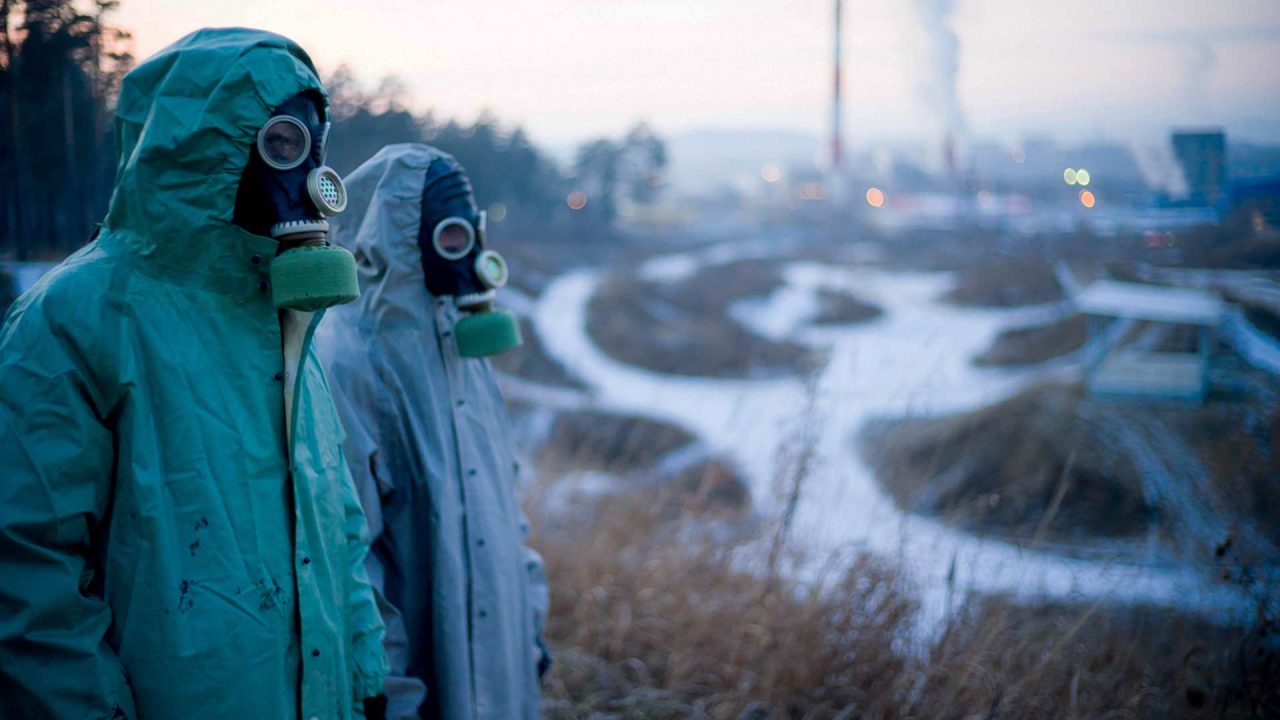



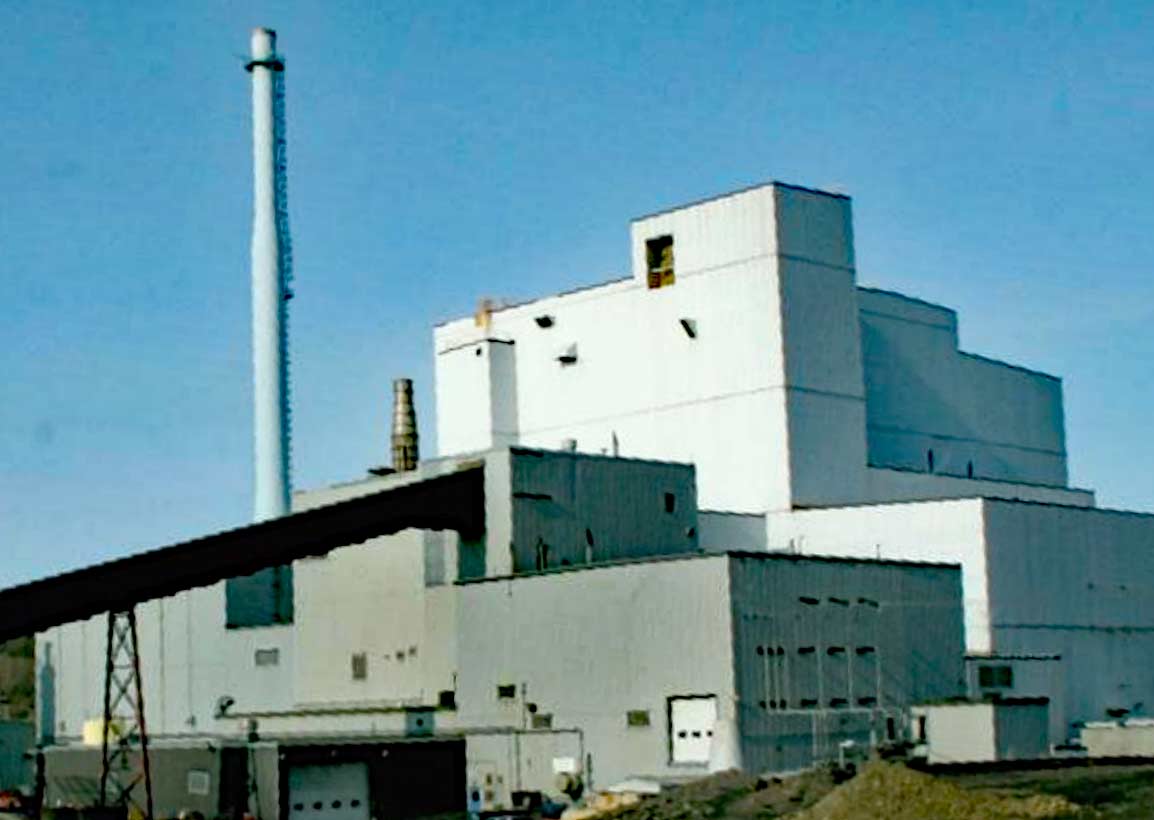
I can’t help but shake my head at the self-inflicted wound Germany has recently dealt itself. Consider the Moorburg coal power plant near Hamburg. Germany invested roughly three billion euros to build one of Europe’s most modern, clean and efficient coal-fired plants. It came online in 2015 with around 1,650 to 1,700 megawatts of dependable baseload power. It was new, it worked and it could have powered homes and industry for decades. Instead, after only a few short years, climate-cult driven political winds turned against coal, and Moorburg was shut down in 2021 under Germany’s coal phase-out laws.
Today, smokestacks and boiler houses are being demolished while taxpayers fund compensation for the closure and billions more are being committed to convert the site into a speculative green hydrogen hub that may not be fully operational for years to come. This is not progress. This is economic vandalism.
Instead of updating the technology, Germany deliberately destroyed a productive asset in service of the eco-terrorists’ climate ideology, and the consequences are clear. Energy prices have soared, industrial competitiveness has suffered and some factories are reconsidering investment because they face higher costs and less reliable power. While China continues to build coal plants at a staggering pace to fuel its industrial growth, much of the Western world is dismantling its own energy backbone. That is not leadership. It is managed decline.
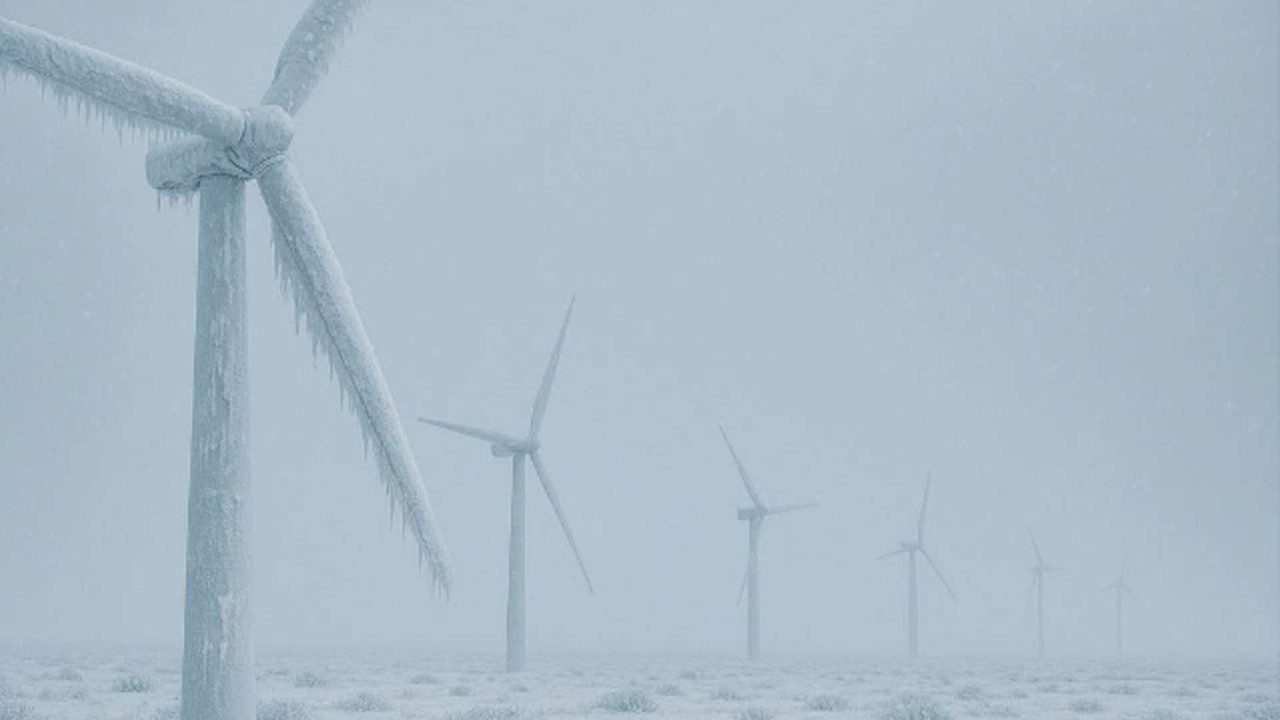
And this type of thinking is not confined to Europe. The United States learned a hard lesson during Winter Storm Uri in February 2021. Texas faced a historic freeze, its power grid failed, and more than four million customers lost electricity at the height of the crisis. Hundreds of lives were lost and economic damage reached into the billions. Wind generation froze and output dropped far below projections just when it was needed most.
Natural gas infrastructure also struggled, but coal and nuclear plants performed more reliably, providing critical baseload power that kept portions of the system running. The lesson is undeniable: intermittent sources like wind and solar can supplement the grid, but they cannot replace reliable, dispatchable power. Renewables have a role, but betting everything on them in a cold climate is reckless.
These lessons from abroad and the lower 48 highlight what we already know here in Alaska. Our winters are predictably long and harsh, and we cannot afford to gamble our energy security on outside money-driven climate cults and eco-terrorists who live thousands of miles away. Alaskans must control our energy future.
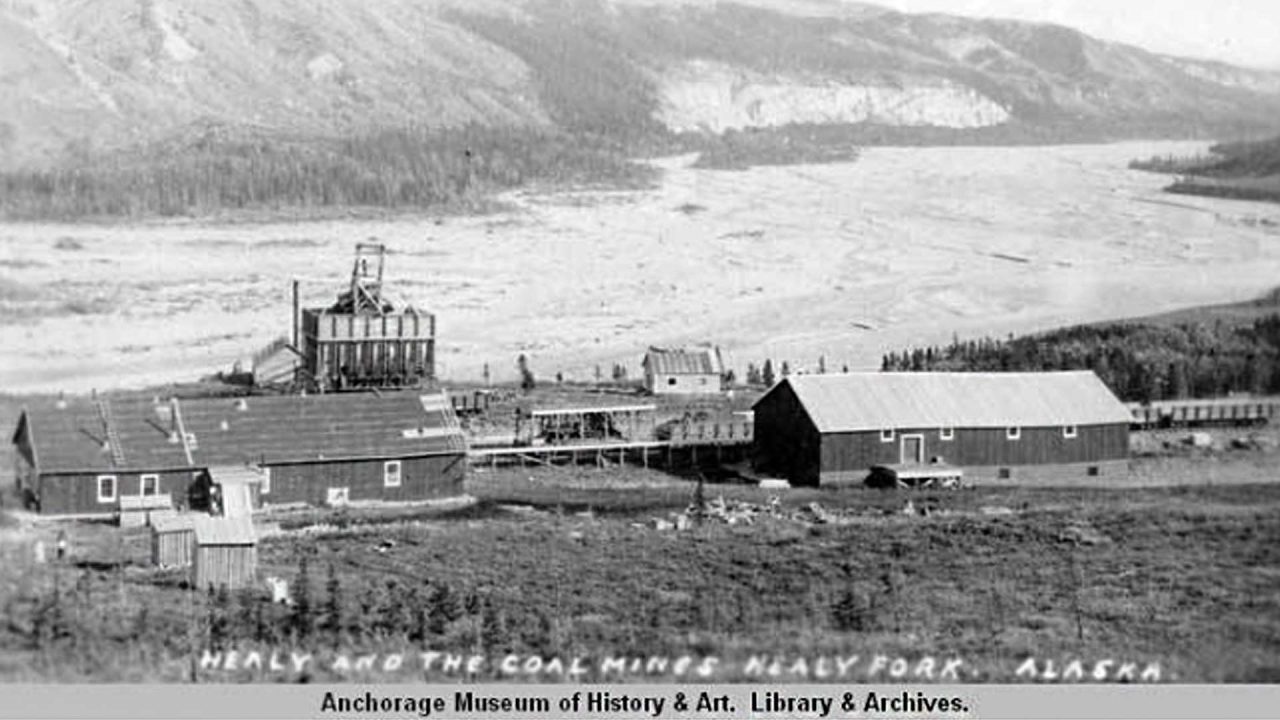
Common sense Alaskan priorities on reliability are already paying off. Golden Valley Electric Association kept Healy Unit 2 operational rather than retiring it prematurely. After upgrades, that plant has been producing dependable coal-fired generation since returning to service in 2018, consuming roughly 209,000 tons of coal per year from the Usibelli Mine and helping stabilize interior energy supply. Renewables like the Eva Creek wind farm play a useful supplemental role, but they cannot match coal’s reliability in our conditions.
Alaska is uniquely positioned to provide its own stable, affordable energy using resources we have in abundance. Our total identified coal resources exceed 160 billion short tons, with hypothetical and speculative resources many times larger, making Alaska a significant portion of the nation’s coal base. Most of this coal is subbituminous and lower in sulfur than much of the coal in the contiguous United States. Fields like Healy and Nenana, supported by local mining operations such as the Usibelli Coal Mine, can generate power with modern emissions controls that make coal as clean as natural gas. Carbon capture also presents practical economic opportunities to extend the life of these resources.
Building new clean coal generation, including in areas like West Susitna, would give Alaska the baseload power needed to support homes, businesses and industry. Renewables have a role, particularly in remote or off-grid communities, but they cannot replace dependable baseload generation that keeps lights on and furnaces running through bitter winter nights.
Coal also strengthens our energy portfolio by complementing natural gas. Cook Inlet gas supplies are declining, and diversification is essential to avoid shortages and price spikes. Coal can ramp up when gas is tight, reducing the risk of cascading failures like those seen in Texas.
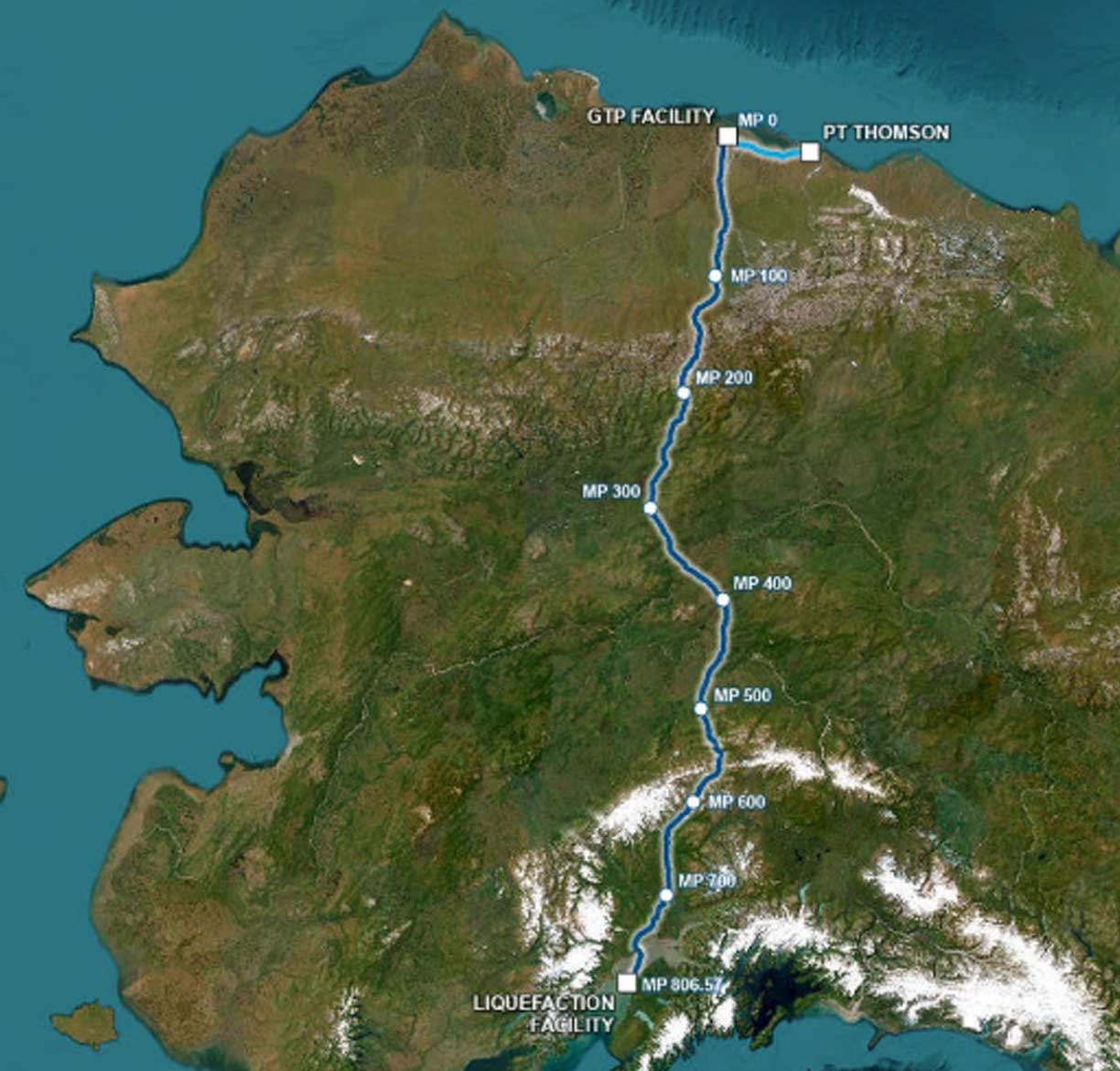
This strategy pairs perfectly with Alaska LNG. The 807-mile pipeline from the North Slope is fully permitted and moving toward a construction decision. When built, it will unlock vast gas reserves, create thousands of jobs and generate billions in revenue. To make Alaska’s energy future secure, coal must stand alongside LNG, providing resilient reliable baseload power for infrastructure, industrial operations, and long-term energy security. Together, they offer the potential for a transformational economic resurgence similar to what Prudhoe Bay meant for Alaska in the 1970s.
Germany’s experience should serve as a warning, not a blueprint. Alaska does not need to dismantle working systems or gamble on feel-good energy fantasies dictated by climate cults or eco-terrorists from outside our state. We need practical, reality-based solutions: clean coal for baseload, renewables as supplements, and a strong partnership between coal and Alaska LNG. With our resources, expertise, and resolve, Alaskans can lead in energy security, protect our economy, and secure a prosperous future for generations.
The views expressed herein are those of the author.




24 Comments
You are beating a dead fish!!
Now new renewable energy is now cheaper than adding fossil fuels. Just saying! https://www.forbes.com/sites/jeffmcmahon/2024/09/26/81-of-new-renewables-produce-cheaper-energy-than-fossil-fuels/
Mark we are currently incapable of even recycling the tens of thousands of tons of lithium batteries that are now being dumped at scrap yards. So what’s your point?? It takes more energy to produce this non recyclable power generating trash then if we used coal , gas, and hydro. So exactly what are we solving??
Right. The ROI on “renewable” energy is not there. Quoting forbes magazine is quoting the CCP’s talking points (China owned).
May we ask what specifically is in place for legislative oversight of the Railbelt Reliability Council and their intent to “integrate renewables”?
.
Or is it too late for ratepayers to worry about legislative restraints on the Council’s “central planning” authority?
.
Things like integrating Chinese-made control system components, should American ratepayers be concerned?
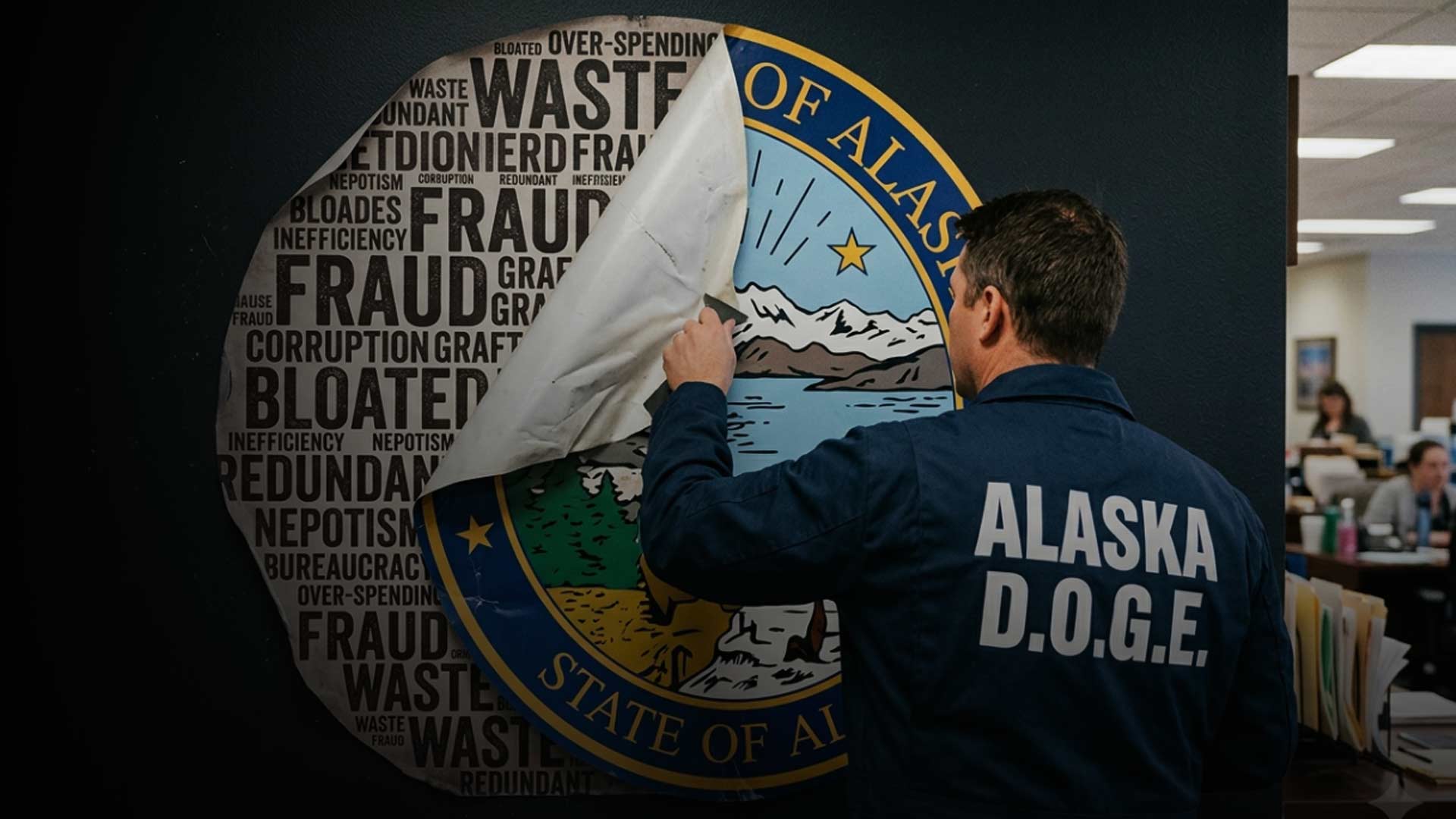
What does the illustration at the top of this commentary have to do with anything? And when Kevin McCabe writes, “Germany invested roughly three billion euros to build one of Europe’s most modern, clean and efficient coal-fired plants,” he fails to note all the carbon that continues to be pumped straight into the sky. Two things we know: Increasing CO2 and CH4 in the atmosphere is warming the planet, and for every degree celsius the atmosphere warms, it is able to hold 7% more moisture. These are not political opinions, they are scientific facts. And given that the atmosphere has warmed 1.75 degrees celsius during the Industrial Age, we can conclude that the atmosphere is holding at least 10% more moisture. We have no frame of reference for how these increases are affecting weather patterns, and computer models can only tell us so much, but the impact is increasingly obvious and accelerating. I suspect that heat waves and heavy downpours, when they occur, will trend toward more catastrophic. ALASKANS, of all people, can see the melting permafrost their own eyes.
https://open.substack.com/pub/kevinjmccabe/p/climate-change-hype-the-greatest?
https://substack.com/@kevin30/note/p-160821514?
Ridiculous! You don’t know that and they are NOT scientific facts.
Ice has been retreating since the ice age and its not due to Mammoth farts or the burning of fossil fuels by Smilodons.
“We have no frame of reference for how these increases are affecting weather patterns, and computer models can only tell us so much, but the impact is increasingly obvious and accelerating.” Contradict yourself much? No frame of reference, yet it’s obvious? How can anyone take this comment seriously. You don’t come out and say it, but you are implying that humans are warming the planet. But, we have no frame of reference to prove it-just feelings and “science”. Is that Anthony Fauci science???
These are not political opinions, they are JUNK SCIENCE.
Please explain why. Science is true, whether you believe it or not.
Paul 1 volcanic eruption puts 100 times that co2 up so what’s your point???
Uh… Basic grade school biology question- what do plants need to grow…?
Yet again, queue up the eco-clowns to wail and throw dust on their heads…. Reread the article folks, he clearly said that there is a place for renewables in our grid, but also clearly said that we need dependable and dispatchable power which renewables cannot provide. Also recognize that without a reliable and robust power grid, America will fail in most all ways as we will be taken back to the preindustrial age as the rest of the world advances. Or is that your point?
One more thing, there is plenty of gas in the Cook Inlet / south central area. The oil companies and those who would bring it to market hold this resource hostage due to regulated costs.
China deploys wind and solar capacity at a scale unmatched globally, leading the world in renewable installations. The Chinese leadership isn’t stupid. They know the long-term risks of climate change to their economic goals.
If China is so great, maybe you should pack up and move there.
the hue and cry of the ecoterrorists on display above, the late 60s and early 70s cry was let them all freeze in the dark.
that was the enviro-mentalist cry back then, now it let us all freeze and starve also.
we all see the free solar panels on display (government subsidy for china made panels)
name one thing you use that does not require oil or gas
maybe a true subsistence life style no firearms no snow machine or wheeler no frame house just sticks and stone arrow heads also a dirt house
They never mention the fossil fuel powered helicopters that have to do regular maintenance work on those wind turbines, using fossil fuel lubricants.. And, it is regular.
great
sad
For those of you that did not successfully pass Earth Science in 6th ,7th, or 8th Grade . That Large Red Ball in The Sky is the SUN, It causes Global Warming and the Absence of it in Winter Causes Cooling . We Should Build another Coal Power Plant in Healy and New Tie Lines for Electrical Distribution from there going to Both Anchorage and Fairbanks. As Well as a Large Scale Gasified Power Plant in Prudhoe and run Tie Lines South from There to Fairbanks ,with a substation at the Yukon river Bridge so as to reach the the Areas to the West all the Way to Nome . That would be much less expensive than a Gas line and Serve Alaska First. Do it now so as to get Help from Trump Administration .
Bradley lake hydro plant is operating at 70% efficiency. There are plans to expand its output. A submarine cable across the Inlet tying into the Beluga Inter tie is in the working stage. Unfortunately the Eco Industrial Complex are hard wired to wind mills and solar panels. Just ask CIRI about their windmills on Fire Island or the Snow Covered Solar Farm across from Nancy Lake on the Parks highway. The lies spread about impending doom are the same Jerks that said we would all be dead with AIDs, or New York would be under water. Al Gore has made millions of dollars profiting from Junk science and flat out lying. While living in a mansion and flying in private jets. So please all you Karen’s ( men and women alike) find a new doomsday cause, the Climate hoax has run its coarse.
For reference please read Stevan Koonen,
“Unsettled”,former Climate Czar for Obama.
Another desperate attempt to be relevant by Kevin maccabe!
Being a retired airline pilot, I think he’s a bit more relevant than Dave “nobody”.