


On Jan. 21, the Alaska Supreme Court heard oral arguments in a case involving a dispute over whether local municipalities can tax religious properties.
While the issue originated in the Fairbanks Borough, it now entails local boroughs in Kenai, Mat-Su and Juneau and involves ongoing disputes over tax exemptions for properties with mixed religious and non-religious (or charitable) uses. This would include religious camps or facilities that aren’t used exclusively for religiously exempt purposes under Alaska law.
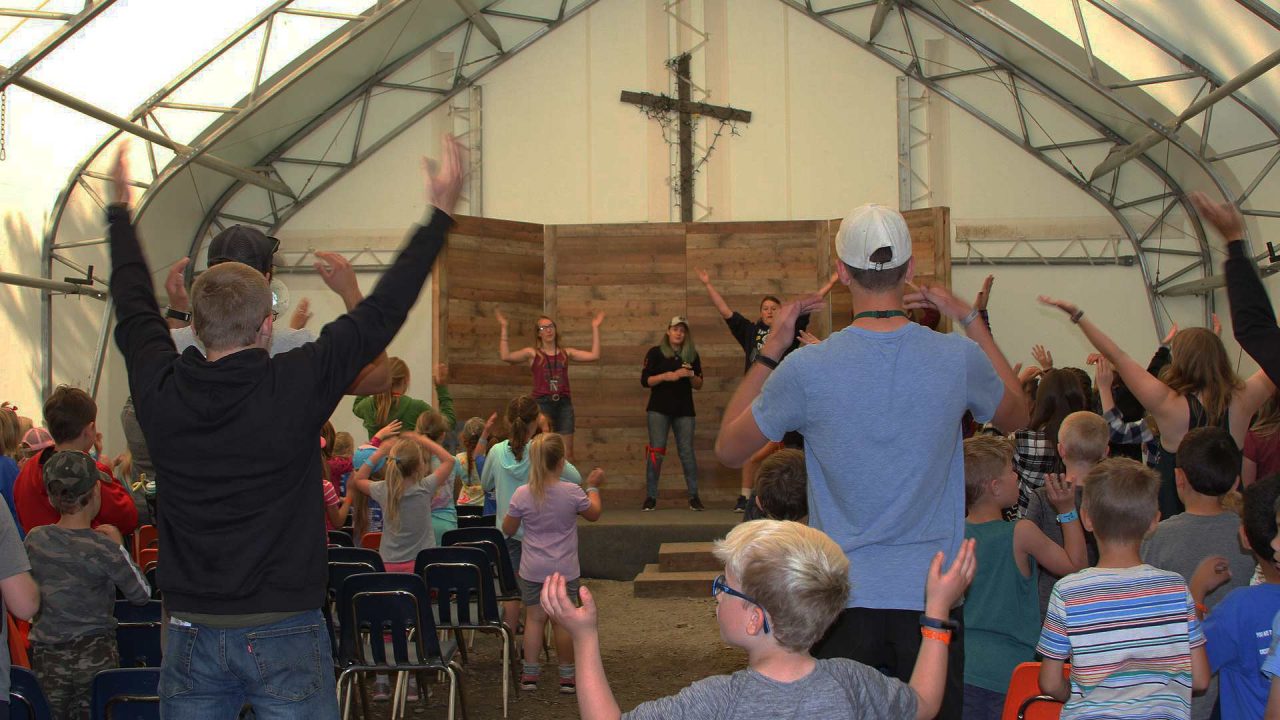
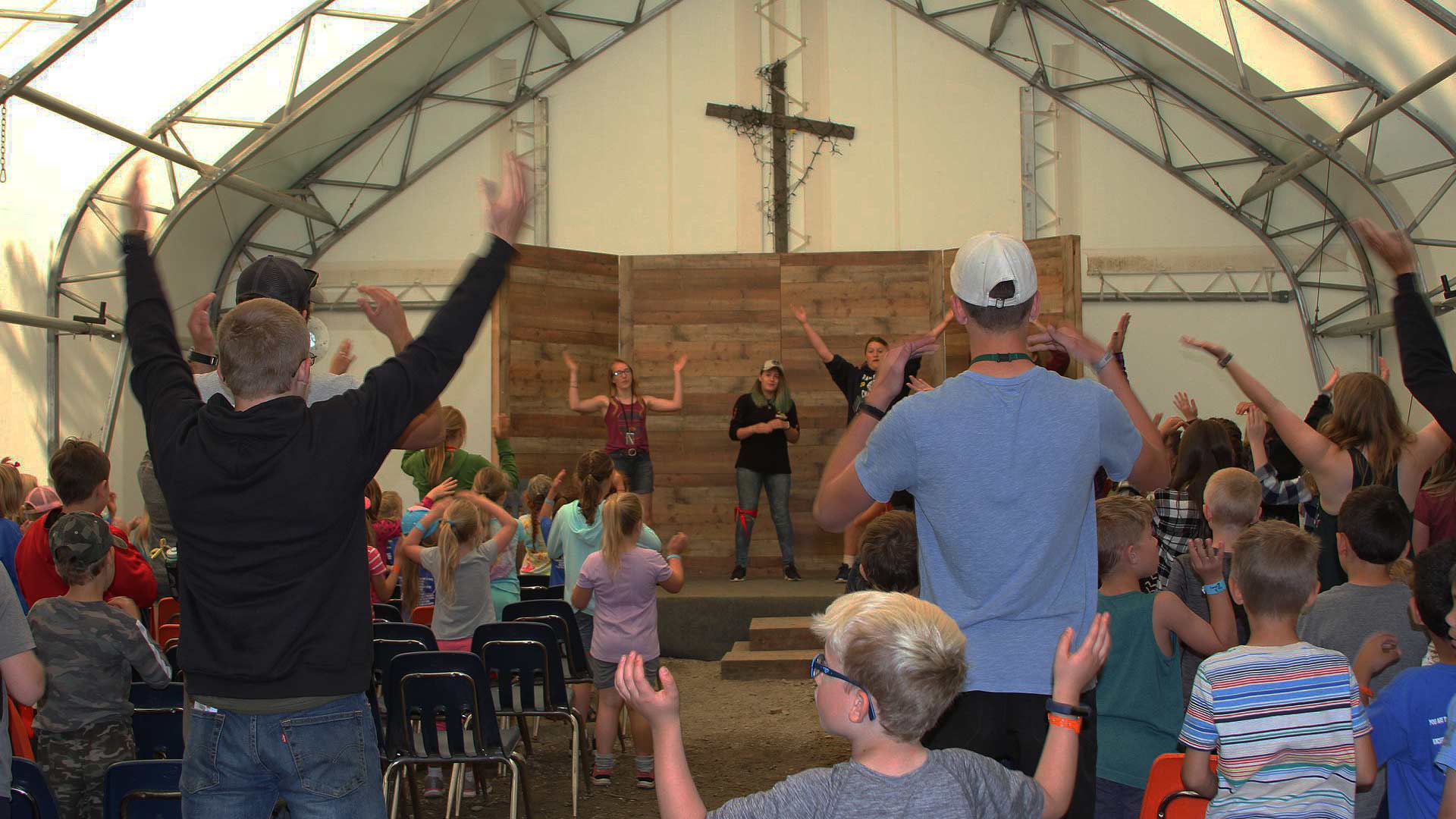
The original dispute involves Victory Ministries of Alaska that operates a longstanding Christian youth Bible camp within the Fairbanks Borough. Roughly eight years ago, borough officials began levying taxes against the camp due to the fact that the camp occasionally rents cabins and facilities to the public when these buildings were not being used during camp operations.
This resulted in a lawsuit with the camp arguing that the rented buildings are part of the overall necessary income needed to operate the summer camp, and that the entire camp should qualify for religious tax exemptions.
In 2024, Fairbanks Superior Court Judge Kirk Schwalm ruled largely in favor of the Fairbanks Borough, upholding the assessor’s determination that 21 buildings were taxable (while 22 remained exempt).
This decision was appealed to the Alaska Supreme Court and now includes multiple boroughs who stand to benefit from a wider ruling that would allow them to tax religious properties that are occasionally rented out to generate income to further a core religious mission.
ALASKA WATCHMAN DIRECT TO YOUR INBOX
This past November, the Alaska Supreme Court heard oral arguments in which attorneys debated whether seasonal/off-season uses disqualify the exemption or if the camp’s core mission allows full exemption.
Numerous religious camps could be impacted by the ruling, and it might impact churches that rent out their facilities for weddings and other events to the general public. In many instances, these entities operate on a shoestring budget and rely partially on rental income to remain financially viable.
Alaska’s constitution and statutes generally exempt properties used exclusively for religious worship or charitable purposes from local property taxes. It remains to be seen whether boroughs can use partial or mixed uses to justify partial taxation or denials of full exemptions.





7 Comments
The key words being “…exempt properties used EXCLUSIVELY for religious worship or charitable purposes from local property taxes. ” Of course, I am neither a supreme court justice or lawyer, so who knows where this will end up.
Seems reasonable to expect a great big “NO”.
.
Can you imagine a local municipality being “allowed” to tax a mosque, or your coven?
Go ahead! Also tax NGOs
So the greedy “public servants” want to tax God now. Government is a cancer. It consumes everything it can.
Trump took that to the US Supreme Court his first erm and its illegal to tax churches.
It’s Christian organizations and churches that help people out the most without the corruption from what I’ve seen and heard. They come to people’s aid better then the government. No taxes!
Long standing constitutional principle that religous facilities are not subject to the government nd thus NOT subject to taxation!!