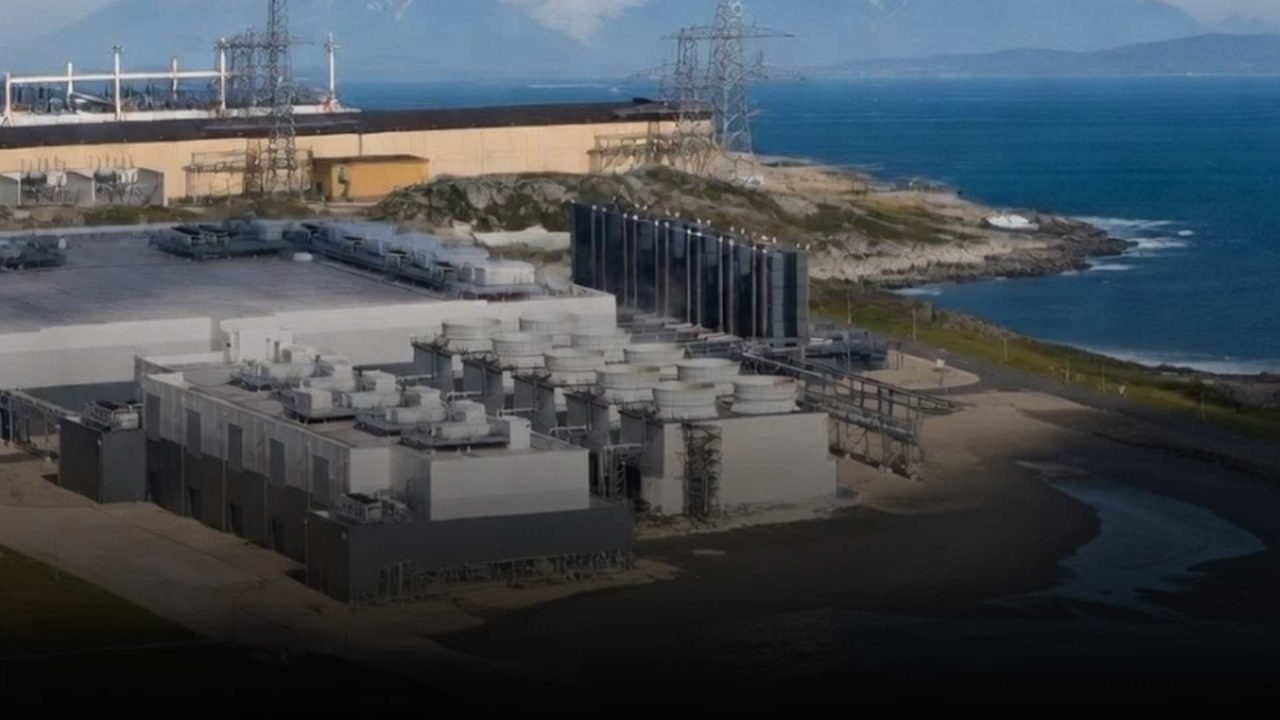


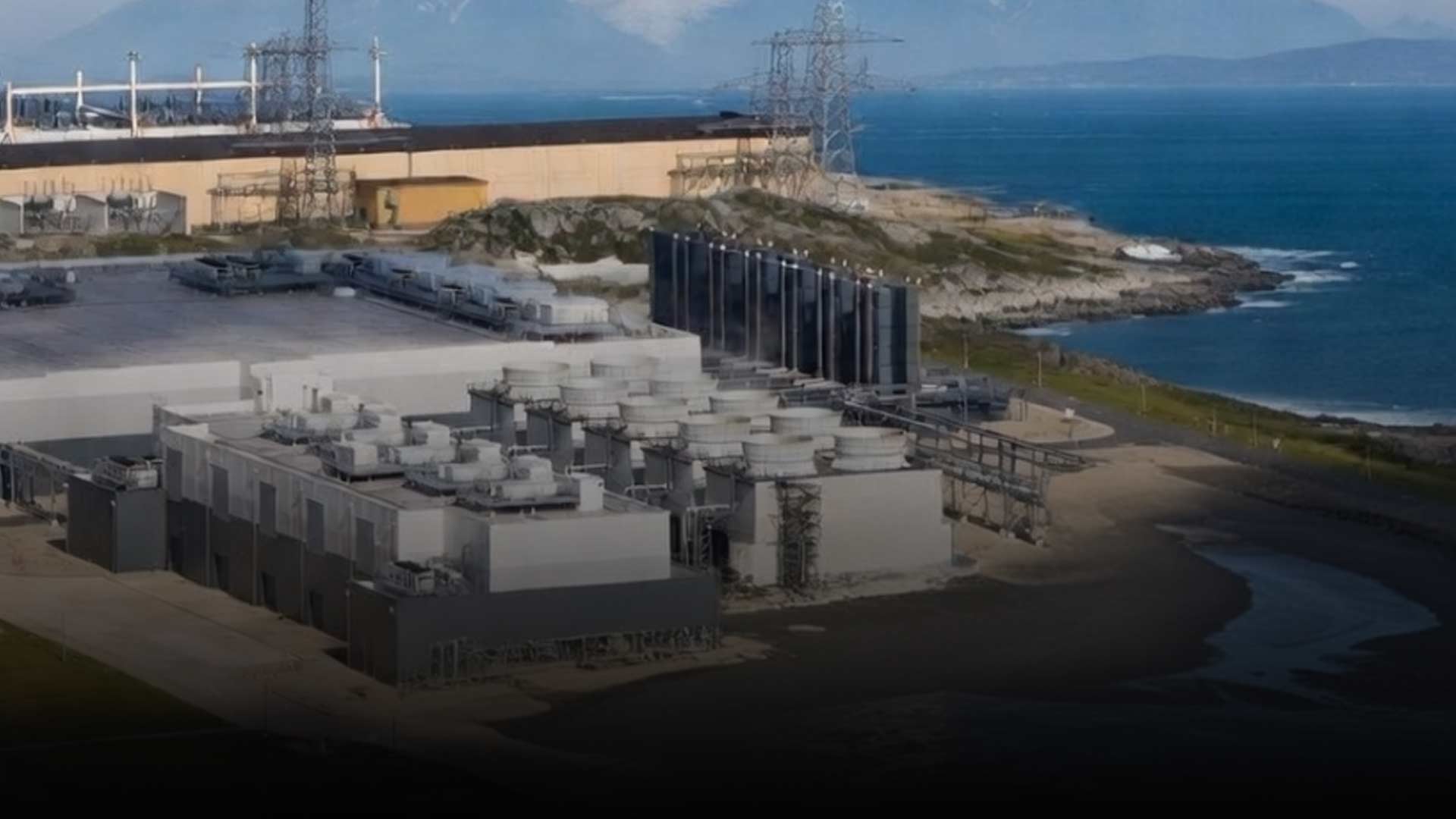
Every time a serious energy proposal appears in Alaska, we hear the same predictions. Air quality will collapse. Rivers will be ruined. Salmon and wildlife will disappear. Trees will wither, wells will dry. We heard it with pipelines, mines, roads, and power plants. Some projects deserve scrutiny and some do not make sense. Others deserve a fair look because they may bring real benefits if built responsibly.
Alaska still needs power for families, businesses, and industry, and the Mat-Su Borough is in a position to lead with modern energy and new industries that require reliable electricity.
The West Susitna area is not untouched wilderness. It has long been identified for resource development. Coal leases exist there, and land has already been set aside for industrial activity. If we want reliable power and economic growth, we cannot act surprised when proposals like the Terra Energy Center coal and biomass facility with carbon capture appear. This is not a return to older coal plants. It is an effort to use local resources with modern technology to produce dependable electricity.
No industrial project is without impact. The question is whether those impacts can be managed and whether the benefits make sense in areas chosen for development. In the upper Susitna Valley, with large coal reserves and geology suited for carbon storage, a recent study from the University of Alaska Fairbanks outlines a possible path forward. It examined what a 75 or 300 megawatt biomass and coal facility with carbon capture could look like, and found electricity from a plant like this could compete with new natural gas generation, especially as Cook Inlet gas supplies decline and imported LNG becomes more likely.
Natural gas will not always be the cheapest option. Southcentral Alaska faces a potential supply gap between 2027 and 2030. We must diversify.
The investment is estimated to be between one and 3.6 billion dollars. While development should not depend on them, federal 45Q tax credits for carbon storage can offset part of the long term cost while they remain in place. Fuel prices are also more stable. Local coal and biomass are estimated to be around four dollars per million BTU, while natural gas in Southcentral has ranged from seven to more than thirty dollars. With capture rates between 90 and 95 percent, emissions can fall below those of existing gas plants. This type of generation could preserve remaining Cook Inlet gas for residential heating while providing dependable baseload power.
A plant in the Susitna basin could also support a new industry at Port MacKenzie. Large data centers require constant electricity, often hundreds of megawatts around the clock. Alaska’s cold climate is an advantage for cooling, but these facilities depend on stable power. One concept is simple. A portion of the plant’s output could be committed directly to the centers through long term power agreements or a dedicated transmission line. Those industrial customers would pay for the infrastructure they require, and their demand would not fall on residential ratepayers. Any excess power could be sold to utilities through power purchase agreements. Developers believe this approach could support several centers and billions of dollars in private investment.
Alaska often says it wants jobs, a stronger revenue base without an income tax, a healthy dividend, and an economy that is not dependent only on oil and the Permanent Fund. Yet when opportunities appear, we sometimes shut the door before the discussion even begins. Meanwhile, budgets tighten and infrastructure falls behind. If the Mat-Su Borough wants to lead economically, Port MacKenzie is a logical place to start. The port was built for industrial activity. Data centers do not employ thousands in the long-term, but construction requires a large workforce and the facilities generate significant property tax revenue. Other regions have shown what this can mean. Quincy, Washington, turned data center investment into major local tax revenue. Northern Virginia saw billions in economic activity and related jobs. A similar approach here, paired with a local power source, could strengthen the Mat-Su economy for decades.
However, several misconceptions deserve clarification.
ALASKA WATCHMAN DIRECT TO YOUR INBOX
Clean coal is often dismissed as a marketing phrase, but modern carbon capture systems can remove a large share of carbon dioxide before it reaches the atmosphere. The UAF study indicates lifecycle emissions could be lower than electricity from imported LNG. Pollutants such as sulfur and nitrogen are controlled with modern equipment, and captured carbon dioxide can be stored in deep geologic formations such as depleted gas reservoirs in Cook Inlet.
Another concern is that the project would strain the Railbelt grid. In reality it adds firm generating capacity and helps protect Cook Inlet gas supplies for residential heating. If data centers purchase power through separate agreements, their demand does not shift costs to residential customers.
There is also concern about water use. Newer data centers rely more on air cooling and water recycling systems, which is one reason Alaska is attractive to developers. Water use is reviewed during permitting.
Natural gas will not always be the cheapest option. Southcentral Alaska faces a potential supply gap between 2027 and 2030. We must diversify. As production declines, prices will rise. Coal and biomass offer a stable local fuel supply, and with federal incentives for carbon storage the UAF analysis shows coal with carbon capture can compete with new gas plants on both price and emissions.
None of this means automatic approval. It means fair evaluation, clear rules, and decisions based on evidence. The UAF analysis gives the Mat-Su a starting point to consider clean coal with carbon capture as one option for powering data centers and strengthening our economy. If we reject every proposal before the facts are examined, we will miss opportunities that could support our communities for decades. The Mat-Su Borough has an opportunity to lead, and it deserves a serious look. We must stop saying “No, because” – and start saying “Yes, but.”
The views expressed here are those of the author.





2 Comments
Good article.
Kevin, on Facebook, I asked for you to point me to information to learn about data centers and you have not responded. I don’t want to just take your word for it. Show me the data. All I am reading is about how different areas around the country are facing negative issues because of data centers. I would appreciate it if you could share sources that people can look at.