

A 2020 Anchorage ordinance that bans counselors from helping minors reduce or overcome unwanted LGBTQ sexual attractions appears to be a clear violation of the U.S. Constitution after the U.S. Supreme Court struck down a similar Colorado law.
In an 8-1 ruling on March 31, the Supreme Court found that Colorado’s law banning conversion talk-therapy for minors violates the First Amendment.
The case involves counselor Kaley Chiles, who helps clients with various issues, including gender identity. Many of Chiles’ clients come to her because they share her Christian worldview and faith-based values. These clients believe their lives will be more fulfilling if they are aligned with the teachings of their faith. Yet Colorado law – like Anchorage’s – censored Chiles from sharing certain perspectives.
The ruling opens the door for legal challenges to Anchorage’s current ban on counselor speech that aims to help minors overcome LGBTQ attraction.
The hard-left Anchorage Assembly passed the ban on a 9-2 vote back in 2020, despite repeated warnings during public comment periods that the ordinance violated the First Amendment’s free speech protections.
While the Anchorage law bans counselors from speaking out against LGBTQ dogma, it empowers counselors and therapists to actively encourage minors to explore their same-sex attractions or even to consider permanent surgeries or powerful cross-sex chemicals and puberty blockers to “transition” to the opposite sex.
ALASKA WATCHMAN DIRECT TO YOUR INBOX
Like Anchorage, the Colorado law only prohibited counseling conversations in one direction. For example, it allowed counseling conversations that steer young people toward a gender identity different than their sex, but prohibited conversations that helped them return to comfort with their sex – even when they desire that.
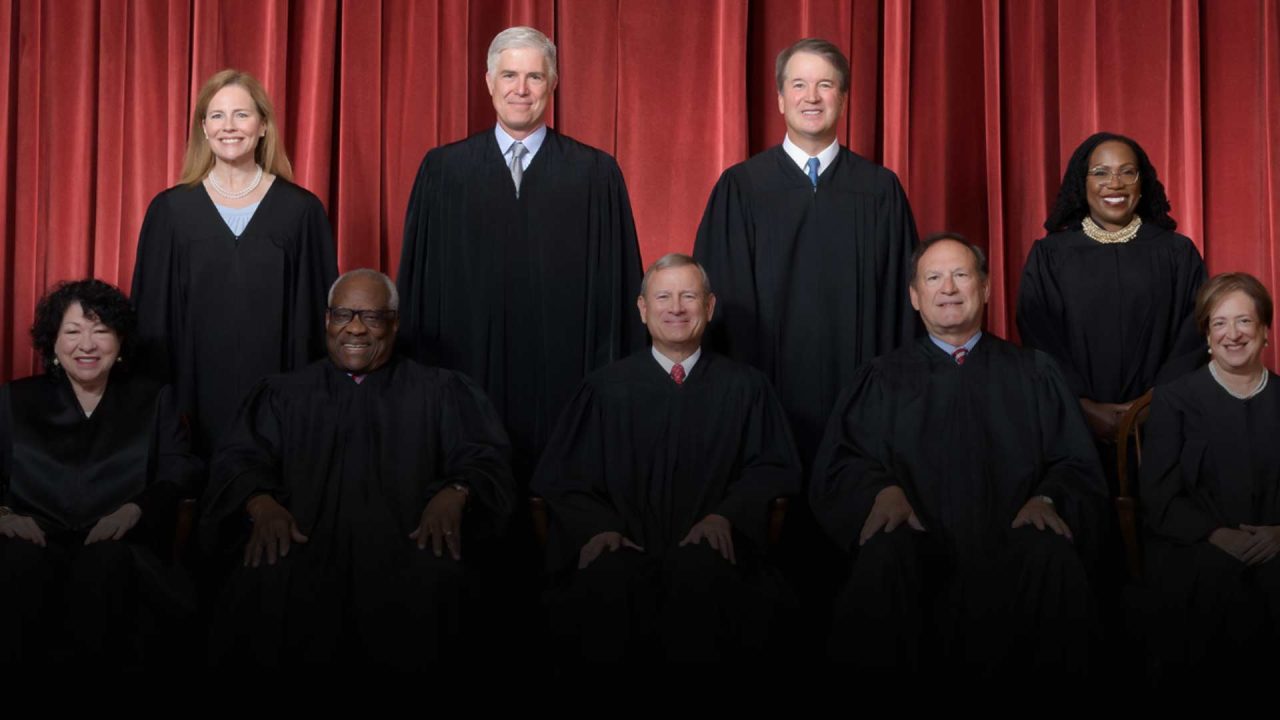
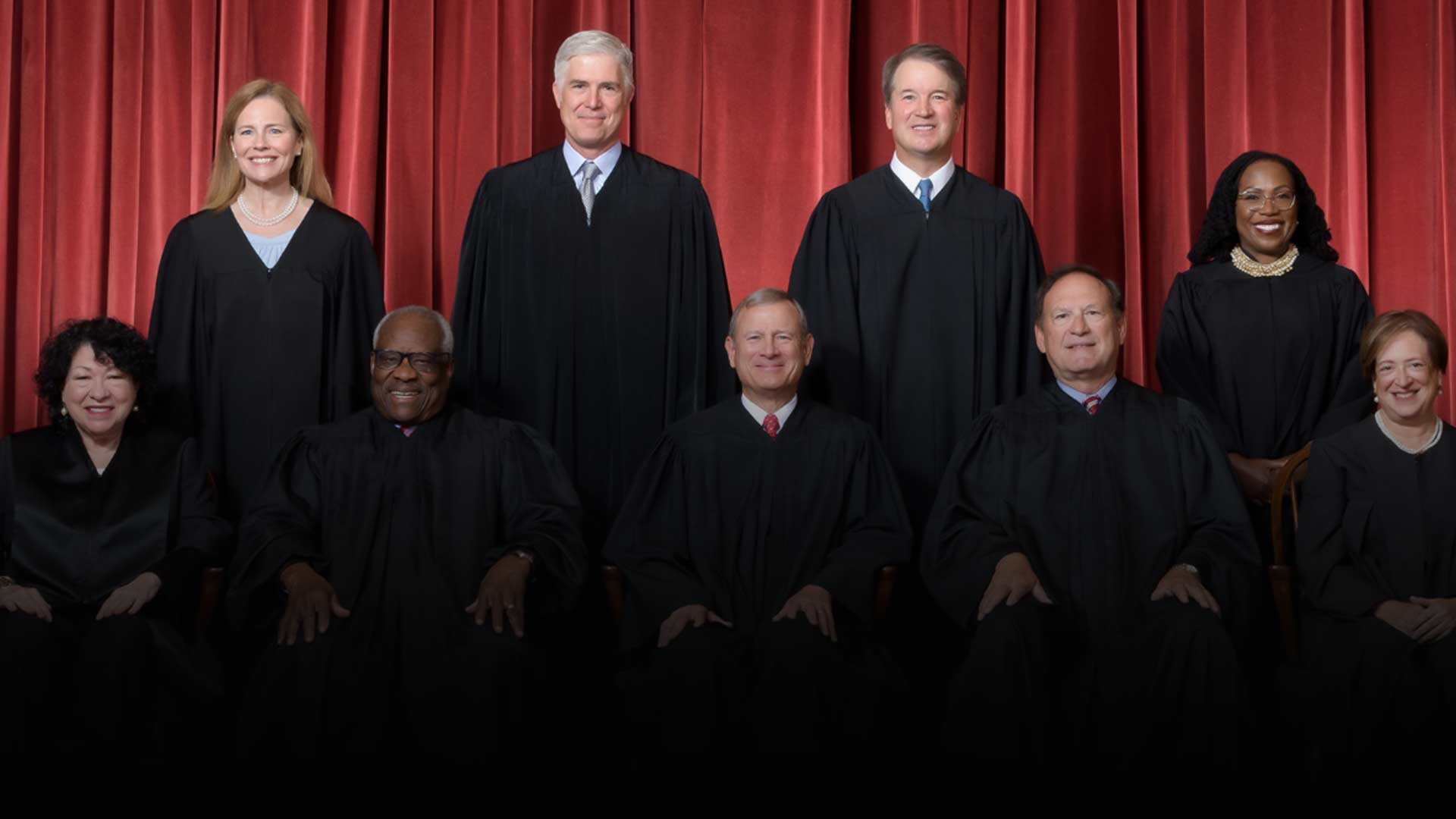
In overturning the Colorado law, Justice Neil Gorsuch wrote the majority opinion. He was joined by Chief Justice Roberts and Justices Thomas, Alito, Sotomayor, Kagan, Kavanaugh, and Barrett. The justices held that the Colorado statute unlawfully regulates speech based on viewpoint by prohibiting counselors from engaging in certain conversations with minor clients aimed at aligning sexual orientation or gender identity with biological sex (or reducing unwanted same-sex attractions), while allowing affirmative approaches.
Ruth Institute President Dr. Jennifer Roback Morse welcomed the ruling as a victory for “counseling freedom,” stating it protects the ability of counselors to provide compassionate, client-directed talk therapy without state viewpoint discrimination.
The decision remands the case to lower courts for further proceedings and is expected to influence similar laws in other states regarding professional speech in counseling.