

Alaska has spent too many years acting like a state with no options, when the truth is simpler: we have stopped building.
For decades, we built government and a way of life around one revenue source, oil. Oil paid for roads, schools, public safety and the Permanent Fund Dividend. It built modern Alaska. But North Slope production has declined, markets swing, and budget fights in Juneau keep circling the same dead-end ideas: cut services, tax working families, or raid the Permanent Fund. That is not a long-term strategy. That is managed decline.
If Alaska is serious about escaping the resource trap we created for ourselves, we need to start acting like a state that still knows how to build big things again. The Alaska gas line is the clearest test of whether we mean it.
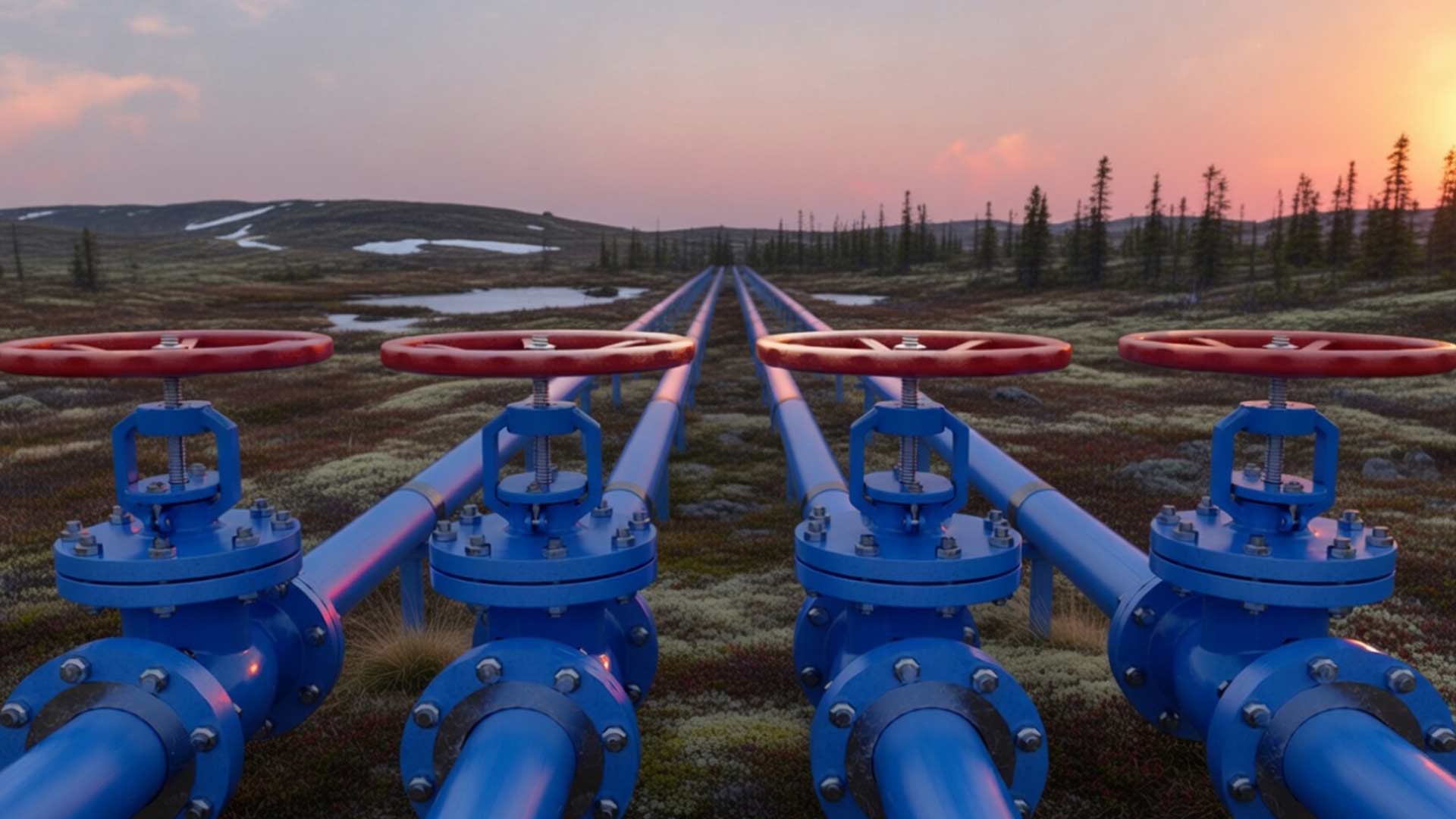
For decades, enormous volumes of natural gas have sat stranded on the North Slope, produced alongside oil and mostly flared because we never built the infrastructure to move it. That is not a resource success story. That is a failure of will. A failure of vision. The Alaska LNG project is the answer.
A gas line that serves Alaskans first is not a consolation prize. It is the main point.
At its core, the idea is simple. Move North Slope gas to Alaskans first, then to export markets that are ready to buy it. Phase 1 would bring affordable gas to Alaskans along the Railbelt. Phase 2 would expand to full LNG exports out of Nikiski. That means lower energy costs here at home, long-term economic activity, and a major new revenue stream for the state.
The timing matters. The global LNG market has changed. Buyers in Asia are looking for reliable, long-term supply from places they can trust. Alaska is not shipping through unstable transit corridors or depending on unreliable governments halfway around the world. From Nikiski, LNG can move directly across the Pacific to Japan and South Korea. That is a strategic advantage, and we should stop pretending it is not.
Yes, there is competition. Canada has moved faster and already ships 14 million tons per year. Fine. That is what happens when markets exist. But Alaska still has something no one else can fully replicate: a project that serves Alaskans first while also strengthening America’s energy position in the Pacific.
That part matters more than people admit. Too often, this conversation gets reduced to exports, as if the whole point is simply to load ships and sell gas overseas. That misses the bigger picture. Before this line helps anyone in Asia, it helps families here at home. It helps the Interior. It helps the Railbelt. It helps communities that have lived for years with high energy costs while sitting in a state rich in energy.
A gas line that serves Alaskans first is not a consolation prize. It is the main point.
Last week, several borough mayors raised concerns about the proposed tax structure for the project. Those concerns are real, and they deserve a serious answer. If local governments are being asked to absorb real or imagined costs during construction, such as more road use, more public safety demand, and more pressure on schools, then the revenue structure needs to reflect that. A deal that leaves local taxpayers carrying costs without a fair path to compensation is not a good deal. On that point, the mayors are right to speak up.
The resource trap is not just dependence on oil. It is the mindset that says our only choices are retreat, reduction, and managed decline.
But there is one part of this discussion where the framing has gone off track. Construction workers are not a burden. They are customers. They stay in hotels, eat in restaurants, buy groceries, hire local services, and spend money in the communities where they work. Every major infrastructure project Alaska has ever built created that kind of economic activity. The Trans-Alaska Pipeline did not weaken the communities along its route. It strengthened them.
The real issue is not whether construction creates pressure. Of course it does. The real issue is whether we are smart enough to structure the tax and revenue side so boroughs are not left holding costs while the project ramps up. That is solvable. Impact payments during construction and a long-term revenue structure tied to actual throughput get it done. However, holding out for a perfect tax structure on a project that never gets built is not a victory. It is Alaska talking itself out of prosperity. 12%, or even 2% of zero, is zero.
Fairbanks and other communities along the line, also cannot be an afterthought. If this line comes through the Interior and residents still do not get access to affordable gas, then we will have missed one of the most important public benefits. That issue needs to be addressed now, not after the major decisions are locked in.
If built, this project could create thousands of construction jobs, hundreds of long-term operations positions, and decades of economic value. It would support private-sector growth, strengthen Alaska’s energy security, and create durable infrastructure. Most importantly, it gives Alaska a path forward that does not depend on endless cuts, endless budget fights, or endless arguments over how to divide a shrinking pie.
ALASKA WATCHMAN DIRECT TO YOUR INBOX
That is what the resource trap really is. It is not just dependence on oil. It is the mindset that says our only choices are retreat, reduction, and managed decline.
They are not. We can still build our way out of this, but only if we are willing to stop treating every large project like a problem before it even gets off the ground.
The borough mayors support the gas line. The Legislature broadly supports the gas line. The administration supports the gas line. I support the gas line.
Good.
Then let us act like it. The remaining work is negotiation, not obstruction.
Alaska does not need another decade of hesitation, excuses, and self-inflicted delay. We need to build the line, put our own people first, and start acting like a state that still believes in its future.
The views expressed here are those of the author.