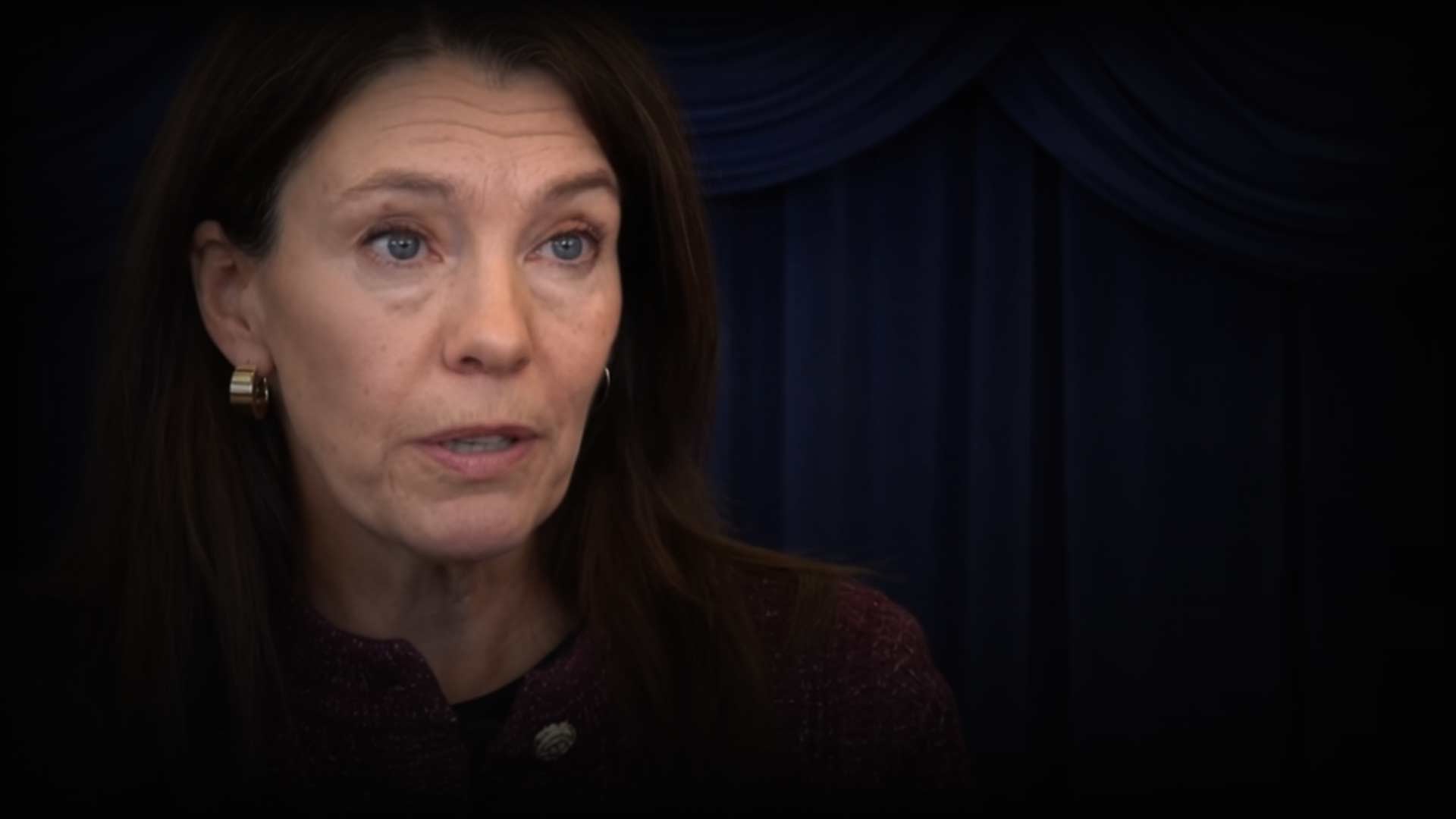


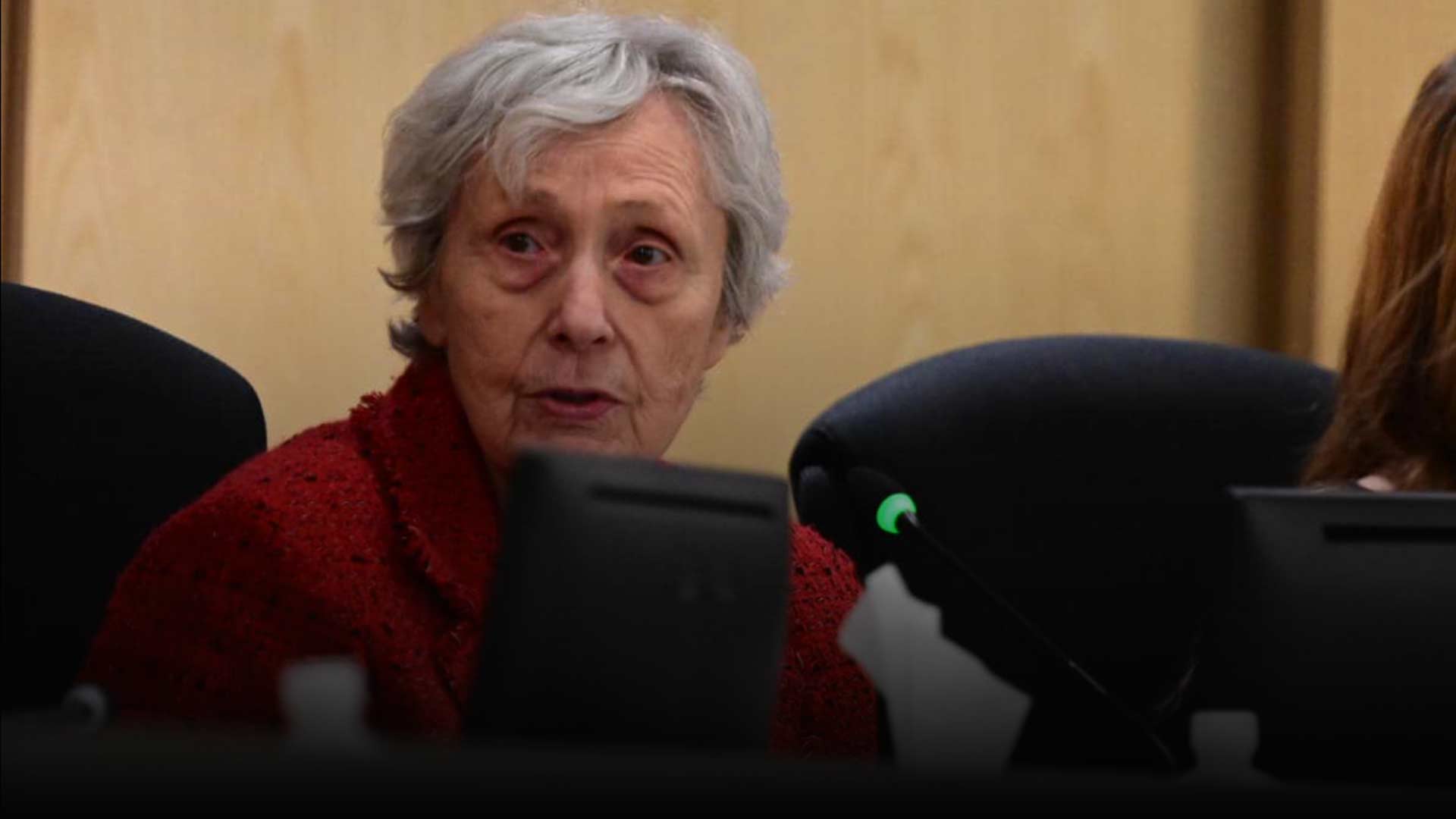
Editor’s note: Mat-Su Borough Mayor and Alaska gubernatorial candidate Edna DeVries recently expressed deep concerns and shared her personal experience regarding the ongoing controversy swirling around the rights and responsibilities of Alaska Grand Juries. For years now, there have been public protests, letters, and official statements from cities and boroughs – all seeking to restore the authority of Alaska Grand Juries to freely and independently exercise their constitutional right to investigate illegal actions by judges and government officials, and release their findings, without interference.

MAYOR DEVRIES’ STATEMENT
Because I have personally participated in events that led to the deeply divisive conflict now unfolding – and because I possess knowledge that may help ordinary Alaskans understand and safely navigate it – I feel a duty to speak.
In 1985, while serving in the Alaska State Senate, I witnessed firsthand the power – and the limits – of Alaska’s grand jury system. A Juneau grand jury called the Legislature into special session to consider impeachment proceedings against Governor William Sheffield. The allegations were serious: that the governor had improperly steered a $10 million state lease to a campaign contributor and then provided false testimony to the grand jury.
They wrote that the rule “mocks” the Constitution’s explicit protection of grand jury authority, which states that such powers “shall never be suspended.”
After extensive proceedings, the grand jury issued a report concluding that the evidence demonstrated “serious abuse of office” and that the administration was “unfit to fulfill the inherent duties of public office.” The grand jurors emphasized that their findings were thorough, complete, and in the public interest to be released for open review.
Despite this, the Senate voted 12–8 against impeachment. I was among those who voted in favor. Instead of meaningful accountability, a nonbinding resolution condemning favoritism was passed.
From that moment, I saw clearly how powerful institutions can “circle the wagons” to shield themselves – even when a body of independent citizens, constitutionally empowered to investigate wrongdoing, has determined that accountability is warranted.
Soon after, a sharply divided Alaska Supreme Court adopted Criminal Rule 6.1. In effect, this rule severely restricted the ability of grand juries to investigate and publicly report on misconduct by public officials. Notably, two of the five justices dissented, warning that the rule was unconstitutional and fundamentally undermined the Alaska Constitution. They wrote that the rule “mocks” the Constitution’s explicit protection of grand jury authority, which states that such powers “shall never be suspended.”
In the decades following the adoption of Rule 6.1, grand jury investigations into public corruption have been virtually nonexistent.
At this stage in my life, there is little that intimidates me. But I am deeply concerned about the long-term consequences of a system that appears increasingly unaccountable…
That changed in 2022, when citizens in Kenai organized sustained public demonstrations outside their courthouse, calling for a grand jury investigation into allegations that the Alaska Commission on Judicial Conduct had falsified or misrepresented investigations to shield judicial misconduct. Their persistence ultimately resulted in the convening of a grand jury.
Since then, credible information suggests that there have been coordinated efforts within the judicial system to obstruct or derail that investigation – raising serious concerns and fueling widespread public distrust.
In late 2024, Kenai Borough Mayor Peter Micciche and I joined a small group of concerned citizens in respectfully requesting a meeting with the Governor and the Attorney General. Our goal was simple: to present evidence, discuss the situation, and explore solutions. Despite repeated efforts, no meeting was granted.
This lack of engagement from officials sworn to uphold the Constitution is deeply troubling. Combined with my long view of how these issues have developed and intensified over decades, it has compelled me to take action.
ALASKA WATCHMAN DIRECT TO YOUR INBOX
That is why I am running for Governor.
If elected, I will pursue a full and transparent accounting of these matters. I will initiate an independent and public investigation conducted by individuals of unquestioned integrity – people in whom the public can place genuine trust.
I will also move immediately to make public the Kenai grand jury’s report and recommendations regarding alleged judicial corruption – information that was sealed before Alaskans had the opportunity to review it. The Alaska Constitution is clear: “The power of grand juries to investigate and make recommendations concerning the public welfare or safety shall never be suspended.”
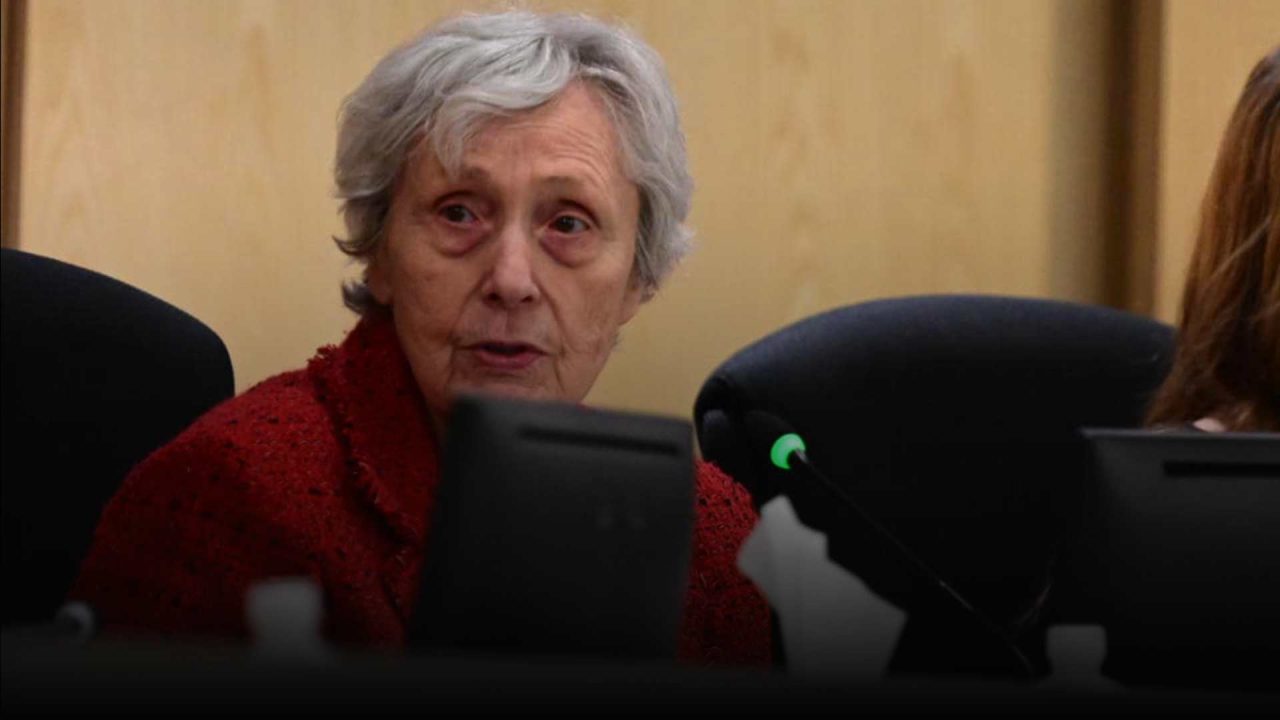
I was born on July 12, 1941. I am 84 years old and will soon turn 85. Some may view my age as a limitation. I see it differently. I am not seeking a long political career. I am seeking one term – focused solely on addressing the serious issues facing our state.
At this stage in my life, there is little that intimidates me. But I am deeply concerned about the long-term consequences of a system that appears increasingly unaccountable – one that could affect future generations of Alaskans, including my own children and grandchildren.
That concern is what drives me to speak – and to act.
The views expressed here are those of the author.