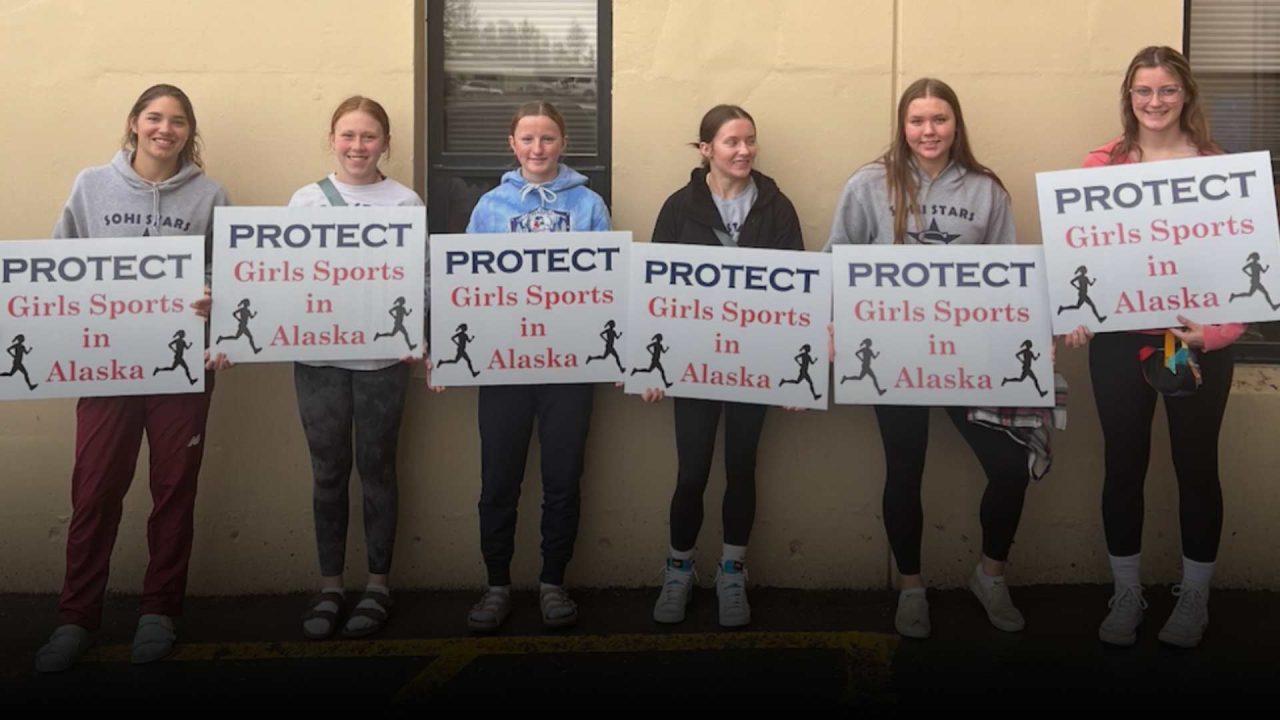

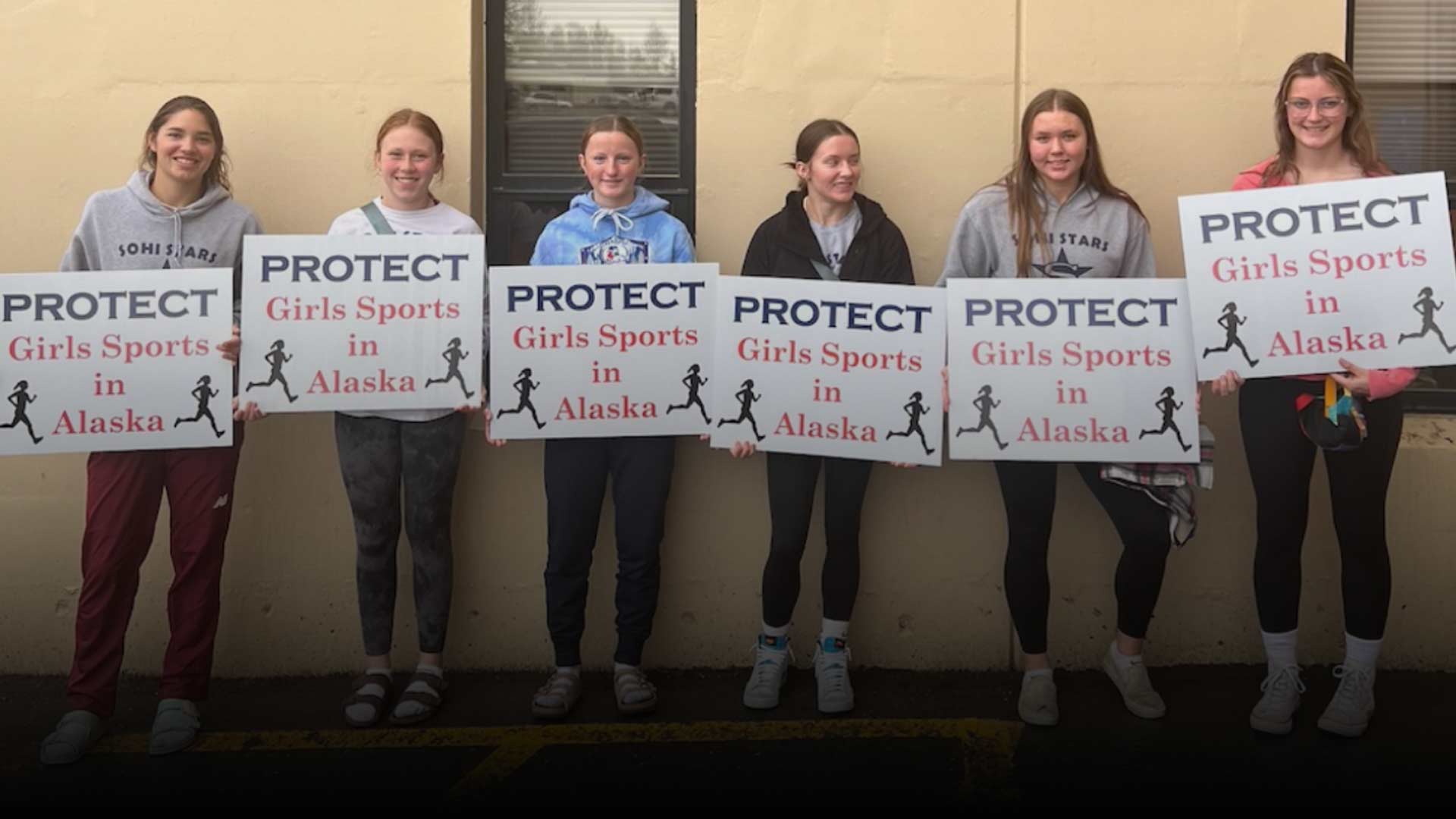
Today, the Supreme Court of the United States (SCOTUS) ruled 6-3 in favor of protecting women’s sports. The decision applied to both Little v. Hecox and West Virginia v. B. P. J..
The Court held 9–0 that under Title IX, states may restrict girls’ athletic teams based on biological sex, and 6–3 that they may do so under the Equal Protection Clause. The dissents from the liberal justices on Equal Protection preview the next wave of litigation coming from Minnesota, California, and Connecticut – specifically, whether the Equal Protection Clause requires states to provide separate teams based on biology. That question will be answered another day, but today we celebrate a victory that felt nearly impossible just seven years ago.
This win reflects the grace of God and the faithful, persistent work of family policy councils and other activists across the country.
Alaska Family Council joined 37 other family policy councils in signing onto the brief with Rep. Barbara Ehardt and 205 female legislators, including multiple Alaska legislators. The brief (linked here) tells the story of countless female athletes whose opportunities were protected by Title IX.

In the majority opinion, Justice Brett Kavanaugh wrote, “These cases concern two of those state laws, from West Virginia and Idaho. The question before the Court is: Under Title IX and the Equal Protection Clause of the Fourteenth Amendment, may schools maintain women’s and girls’ sports for biological females? In other words, may schools determine eligibility for women’s and girls’ sports based on biological sex? The answer is yes.”
“A man does not have a legal right to compete against women just because he believes that he is a woman,” Justice Clarence Thomas wrote in a concurring opinion.
Background on the Cases
In Little v. Hecox, Lindsay Hecox claimed that Idaho’s Fairness in Women’s Sports Act was unconstitutional. This law requires students to participate in sports consistent with their biological sex as determined at birth. Hecox, a biological male who identifies as a woman, sought to compete on women’s track and cross-country teams. Because of this law, he was prevented from participating. Hecox then filed this lawsuit, and the Ninth Circuit Court of Appeals ruled it was likely to violate the Equal Protection Clause of the Fourteenth Amendment, prompting the case to go to SCOTUS.
In West Virginia v. B.P.J., a transgender-identifying middle school student identified only by initials (B.P.J.) challenged West Virginia’s Save Women’s Sports Act. That case also raises a Title IX claim, alleging that the state law discriminates on the basis of sex in violation of federal civil rights protections.
ALASKA WATCHMAN DIRECT TO YOUR INBOX
The Implications of this Decision
In the last several years, 26 states have passed legislation protecting women’s sports. SCOTUS’ ruling protecting Idaho’s law will go a long way in protecting the laws in other states from future litigation. Here in Alaska, because a handful of Republicans continue to give power to the Democrats who are opposed to advancing legislation protecting girls’ sports, we are without a statute protecting girls from having to compete against boys.
However, Alaska Family Council was at the tip of the spear, working closely with the Board of Education and the Alaska School Activities Association to encourage them to pass regulations ensuring biology matters when it comes to athletic competition. They did so soundly, and today, girls’ sports are protected because of these regulations.
If a conservative Governor is elected and Republicans gain control of the Alaska House or Senate, we might just get a law passed like the other states. It would be a difficult push, but it is possible. Even without an allied Legislature, a conservative Governor would control who sits on the Board of Education and would most likely keep the regulations in place. No matter what, we keep pushing for fairness and celebrate common sense lifted up from our nation’s high court.
The views expressed here are those of the author.




3 Comments
TBH who really cares? there’s about 50,000 Male Teenagers in Alaska, about 3.3% of the population is Transgender, cut that in half for only being concerned about male transitioning to female. that leaves you about 840 people. About 30% of high schoolers play sports, so that’s about 250 people, less than 0.01% of the population. Why should our taxpayer dollars, and political will be spent on such a miniscule portion of the population when we have so many other issues to tackle as a state and as a nation. It’s such a niche issue it shouldn’t ever have gotten this large.
Who really cares?
I have a daughter.
I CARE.
You’re a Boy, no matter how much makeup you put on. You’re not playing against girls. God created Men and Women end of story.