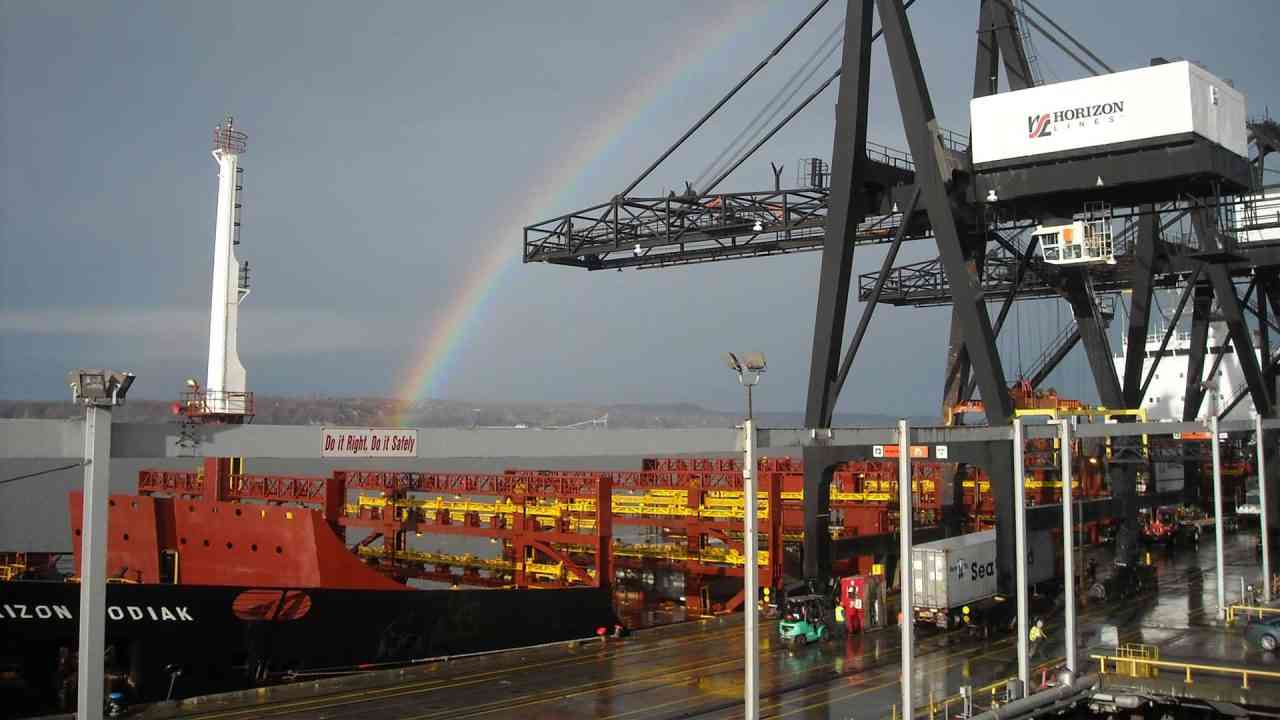


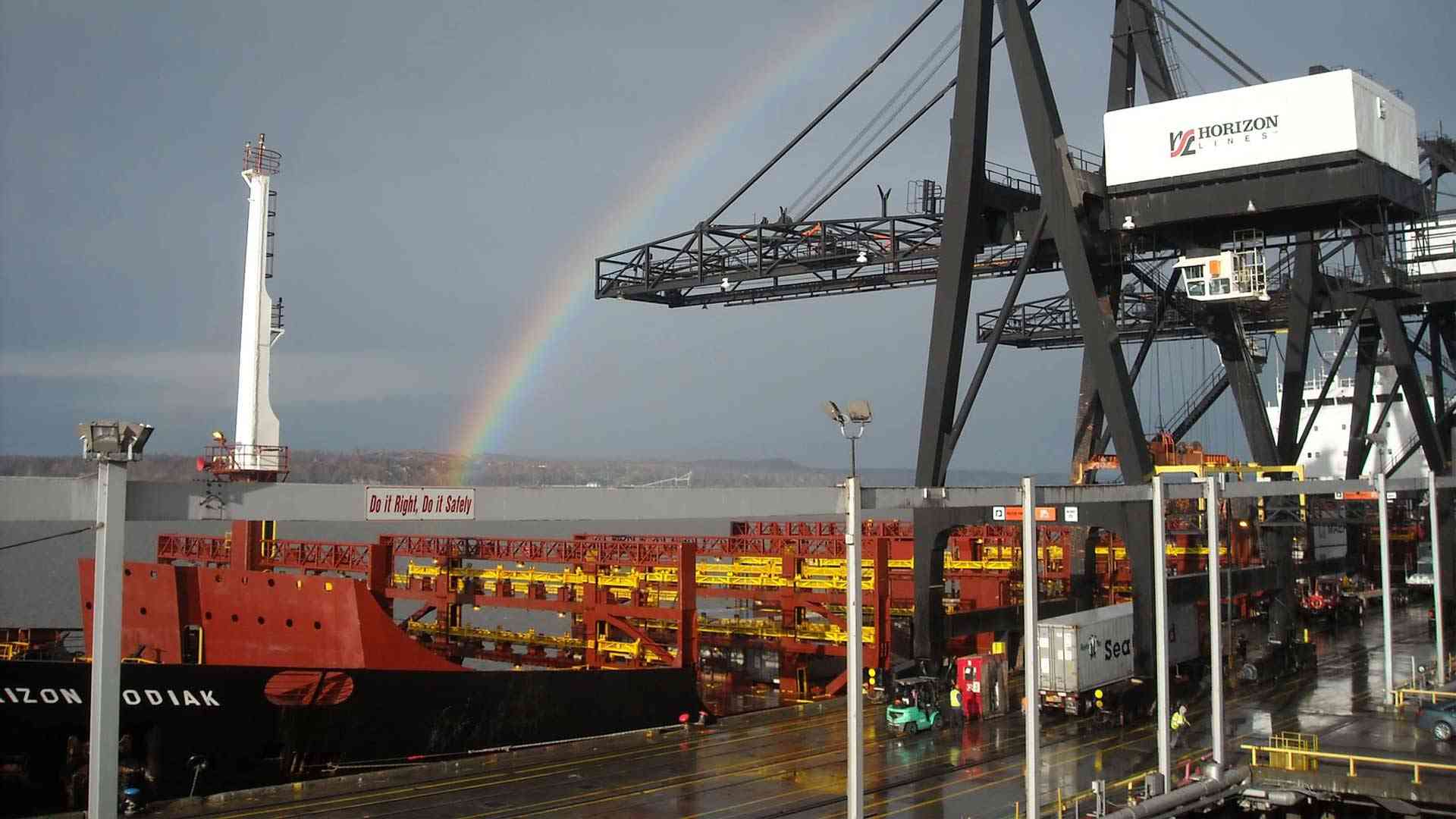
The federal government has agreed to pay $180 million to settle a two-decade legal fight over a botched federal expansion project at the Don Young Port of Alaska. Announced on July 7, the agreement closes the books on one of the longest-running lawsuits in state history and delivers a significant infusion of funding toward rebuilding the port.
The settlement resolves claims against the U.S. Maritime Administration (MARAD) tied to the failed Port Intermodal Expansion Project, which left the Municipality of Anchorage to sue the federal government after the project’s design and construction proved defective.
Serving roughly 90% of Alaska, the critical port brings food, fuel, building materials and other essential goods across the Railbelt and into rural Alaska communities.
Fully owned and operated by the Municipality of Anchorage, the port functions as a municipal enterprise department overseen by the mayor and the Anchorage Assembly. While the city maintains the general facility, it relies on private commercial operators to lease terminal space and conduct cargo handling
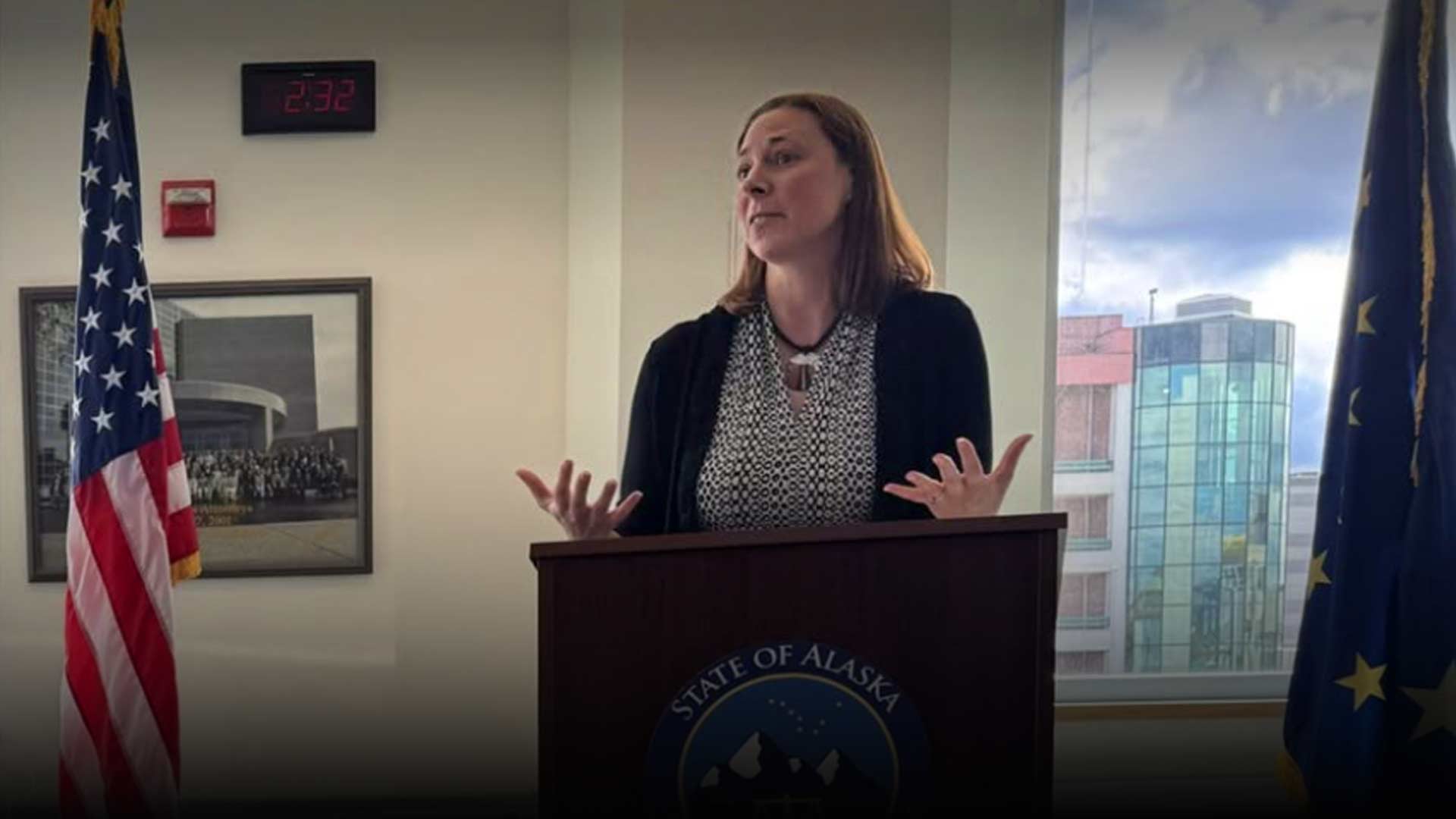
“This is a win-win-win,” Gov. Mike Dunleavy stated upon announcing the settlement. “The Don Young Port of Alaska is a vital piece of infrastructure for our state and the nation. This settlement lets us turn the page and puts real resources toward rebuilding the Port.”
ALASKA WATCHMAN DIRECT TO YOUR INBOX
Dunleavy praised President Trump for working to resolve the lawsuit.
“This is another example of what happens when President Trump’s administration, the State of Alaska, and local leaders pursue partnership over conflict,” Dunleavy added. “President Trump has made it clear that he knows Alaska is strategically important to the country. I’m grateful for everyone who helped to get this done.”
The $180 million will go towards the port Modernization Program, a roughly $2.7 billion effort to replace aging terminals with facilities built to withstand a major seismic event and accommodate modern shipping operations.
This year’s state budget provides an additional $15 million for the project, and another $10 million contingent on the price of oil averaging $80 or higher on December 31, 2026.





1 Comment
Thank you Dunleavy & Trump, Alaska needed this. My company worked with the POA for 20 years and all the Port Directors except Mr. Brown were political hires. That is what happens when the Mayor & Assembly hand pick the Port Director. The POA is big business and needs a real CEO not a good old boy!