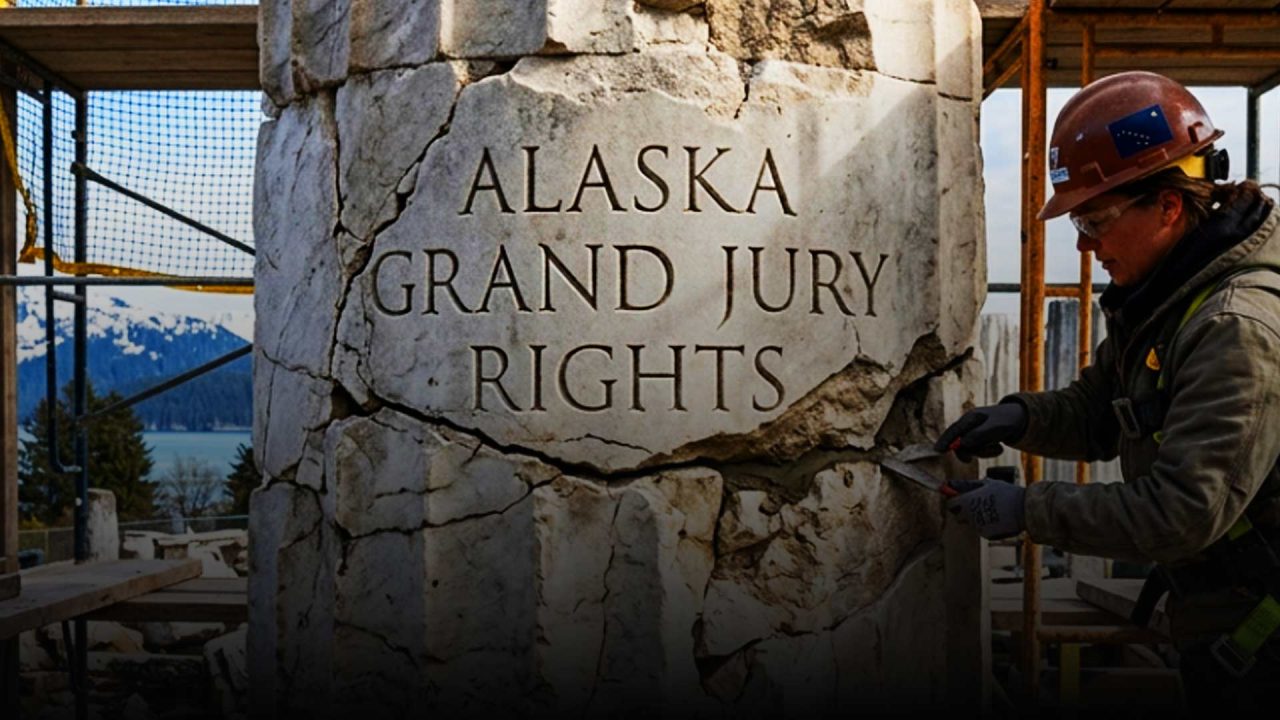


A government accountability organization and the past foreman of a Kenai grand jury have filed suit against the Alaska Department of Law. Submitted on June 24 in Kenai Superior Court, the filing accuses state officials of overstepping their lawful authority and disrupting a grand jury’s ability to examine issues of vital community importance.
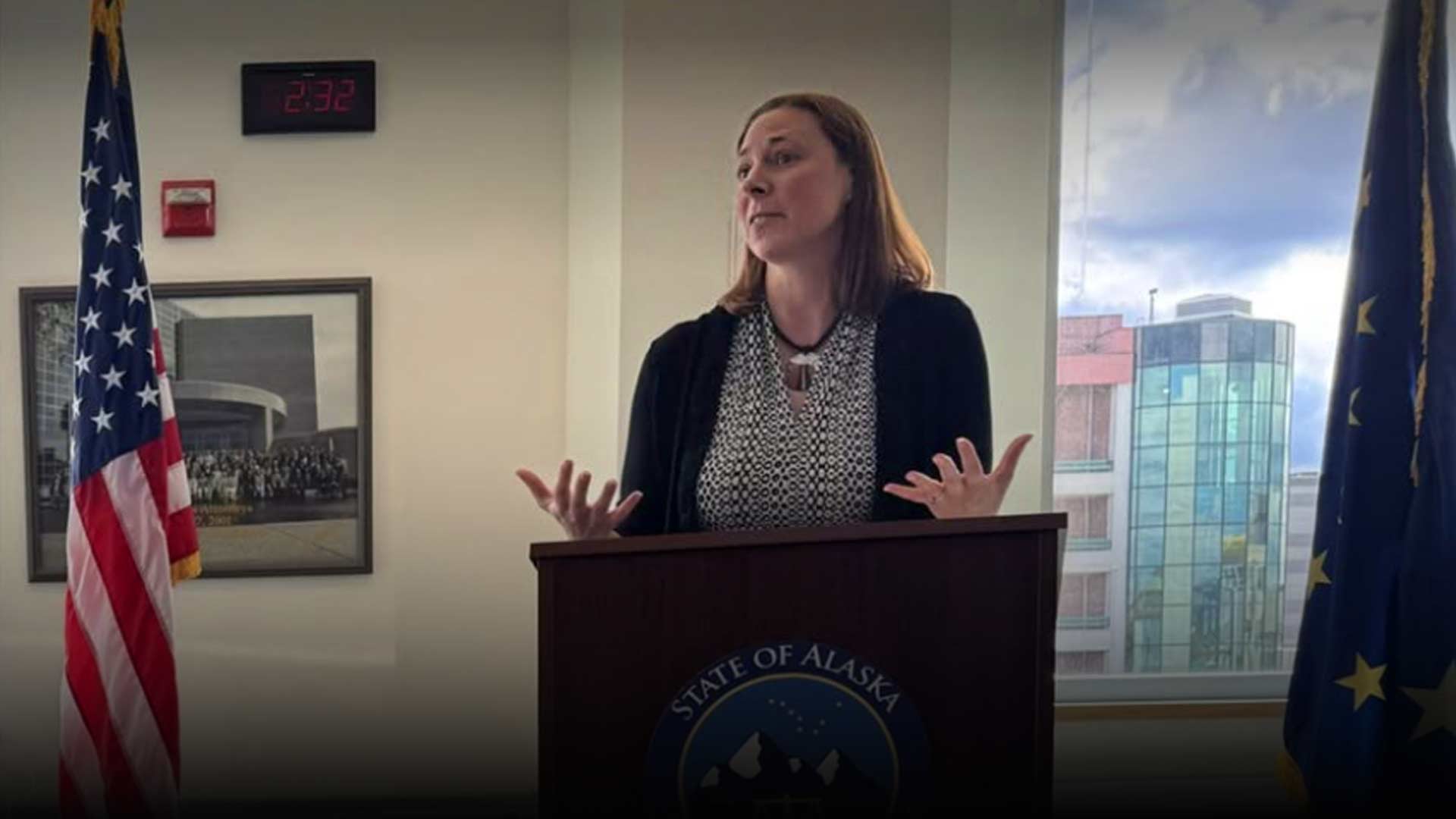
The suit, which was first reported by Radio Kenai, names the Department of Law and one Assistant Attorney General in her official role. The plaintiffs, which include the nonprofit watchdog Alaskans for Transparent Government and the grand jury foreman, are seeking court declarations and orders rather than financial awards.
Court papers describe how the 18-member grand jury began work in April 2024. At that time, the foreman was chosen by fellow members. For three months, the group reviewed criminal matters under guidance from multiple Kenai Assistant District Attorneys, while holding private discussions without them being present.
When the foreman requested that she leave the room so the grand jury could hold a confidential discussion, she allegedly refused to do so.
On June 19, however, the foreman asked an Assistant DA when he could present a “matter of public interest” to the grand jury as a body.
According to the suit the Kenai Assistant DA said he could make the presentation later in the day, once other cases were addressed. While the attorney initially appeared supportive and mentioned assigning a case identifier, she did not instruct all jurors to return after a lunch break, the suit states.
As a result, only eight of the 18 members returned that afternoon. The Assistant Attorney General joined via Zoom, and the foreman informed the grand jurors present that an investigative grand jury had been impaneled in Kenai in 2022 with only 12, rather than 18, members, that it had issued an investigative report, but that the report had never been released to the public by the Superior Court in the Third Judicial District.
The foreman then told the attorney that her role was to “give instructions, take questions and then leave the room.”
The case nots that a week later, all 18 grand jurors assembled, with the Assistant Attorney General attending in person. She reportedly stated the proposed topic that the foreman wanted to address would not move forward and warned that attempts to do so against her advice might impact ongoing investigations. She then allegedly discouraged the grand jury from attempting to challenge her position in court. When the foreman requested that she leave the room so the grand jury could hold a confidential discussion, she allegedly refused to do so.
According to the lawsuit, the foreman responded by reciting relevant constitutional language about grand jury rights and proceeded to share the proposal aloud. The prosecutor then allegedly asked the grand jurors for a “show of hands” to see who wanted to deliberate on the matter. This prompted objections by the foreman that the attorney was not following proper procedure by calling for a hand vote, as this violated the secrecy clause in the Alaska Grand Jury Handbook.
The foreman then told the attorney that her role was to “give instructions, take questions and then leave the room.”
The attorney reportedly responded, “Are you mad at me?”
Another grand juror told the attorney that he disagreed with her decisions.
She then reportedly said: “Well, why not just vote to have the court release the report?”
ALASKA WATCHMAN DIRECT TO YOUR INBOX
At this point, the suit claims that “other grand jurors became restless because of the argument” between the attorney and the foreman. It notes that the attorney then dismissed the grand jury without allowing them to deliberate outside of her presence.
The complaint argues these steps breached Article I, Section 8 of the Alaska Constitution, which protects grand juries’ ongoing authority to look into and suggest actions on matters affecting public safety and well-being. It also alleges breaches of jury influence prohibitions, procedural secrecy requirements, and handbook guidelines limiting outsider presence during private sessions.
Requested remedies in the suit include official rulings confirming the violations, orders barring similar conduct in the future, directions to assemble a new grand jury for the pending proposal, recognition as public-interest parties, and coverage of legal expenses.




5 Comments
Grand Juries (Article I, Section 8): Grand juries act as a charging body, deciding whether the Alaska Department of Law has presented sufficient evidence to indict someone for a felony.Investigative Grand Juries (Article I, Section 8): Uniquely, Alaska’s constitution grants grand juries the power to investigate and make recommendations concerning public welfare and safety—a right that “SHALL NEVER BE SUSPENDED”. This allows them to examine systemic wrongdoing and issue public reports. Now we’ll see if the courts will let this lawsuit go through the system or dismiss it out of hand as without standing.
She’s probably a leftist, I’m in charge, we will do it my way. Good for him the Forman standing up to her.
What the hell does Dunleavys ag do?
Corruption is DEEP! Follow the $$
Corruption is rank in AK, pity for the citizens that love the State. When a prosecutor tells a grand jury to accept ‘hearsay’ for an indictment ‘because its useful to her story’ and now an innocent man is locked up you know its rotten all the way from law enforcement to Judges!