
I learned to “Think outside the box” thanks to author Kenneth Roberts, whose historical fiction, written about a hundred years ago, made the reality and importance of history clear to me. It set my own path and career.
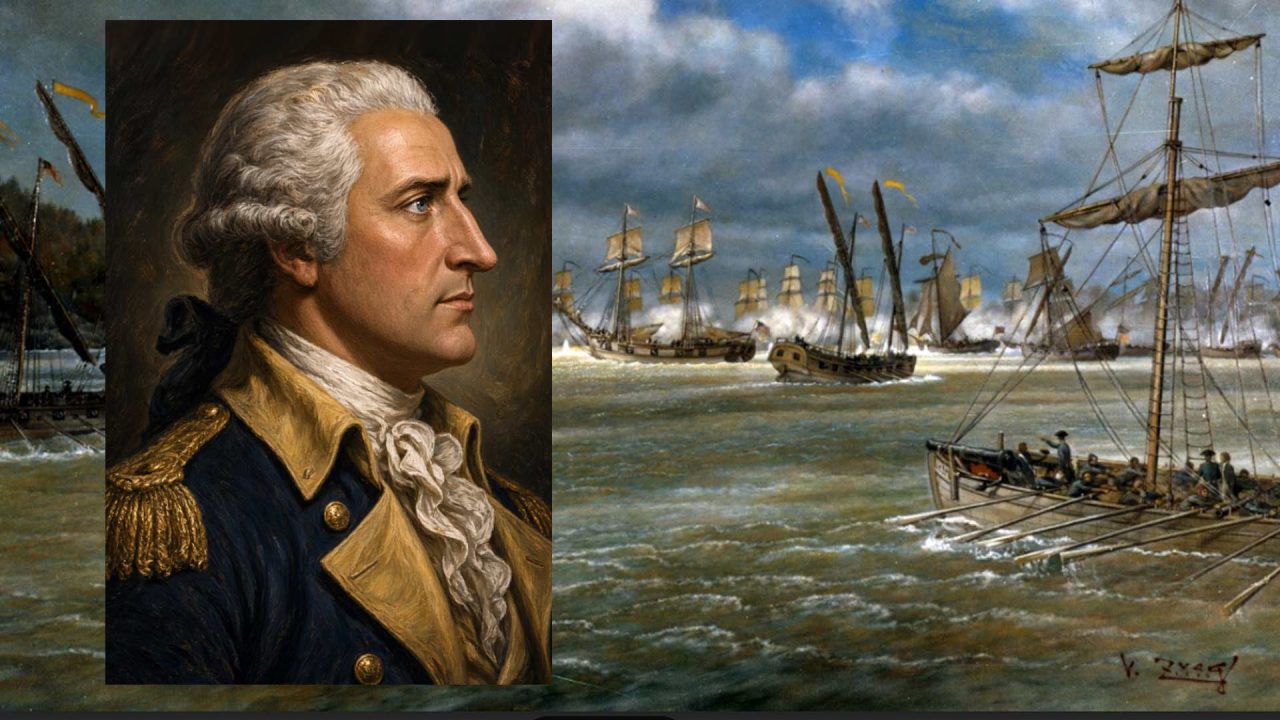
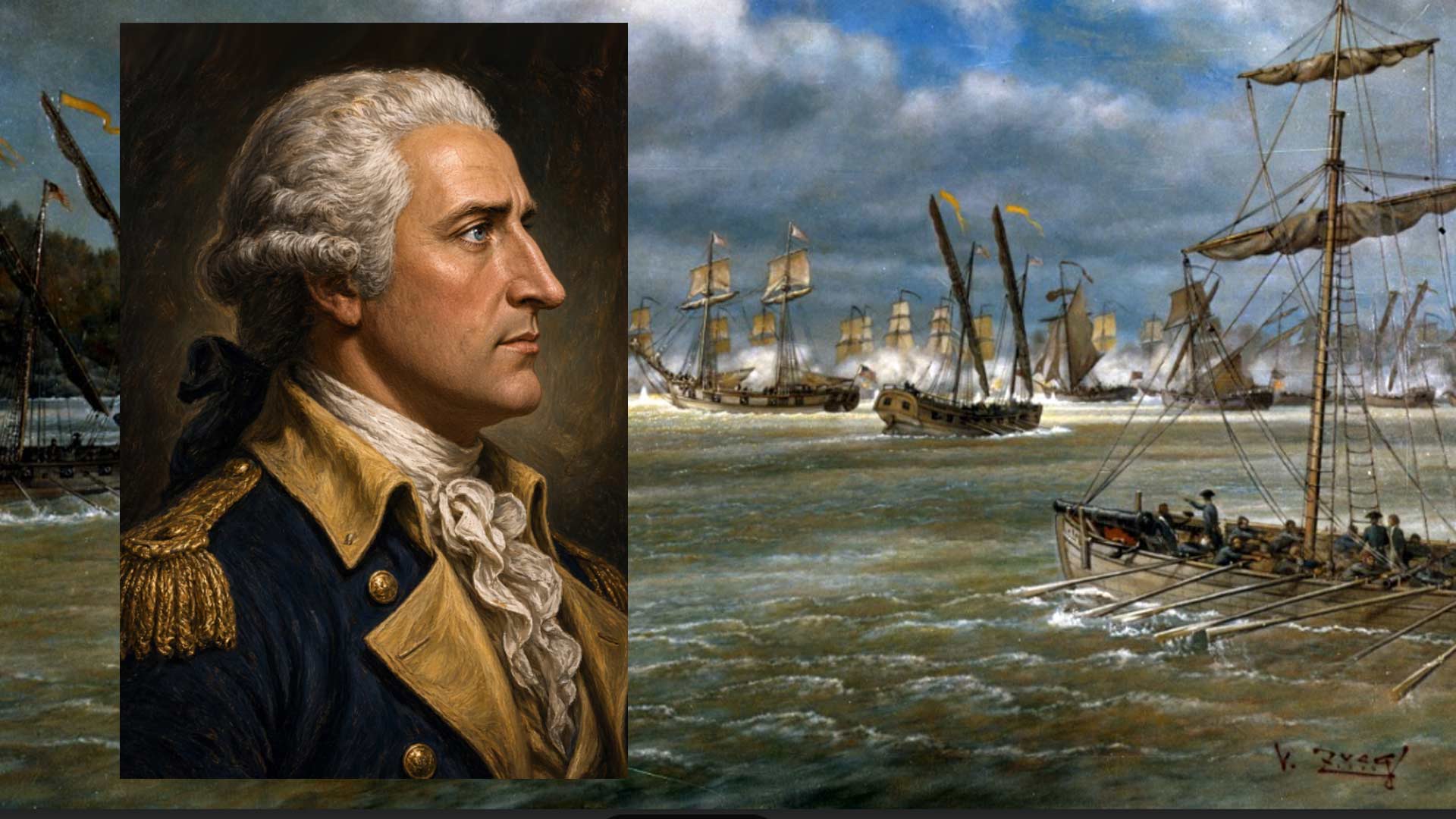
Two of his books, “Arundel” and “Rabble in Arms,” graphically depict not only the heroic sufferings of America’s first three years in the War for Independence, but also the intelligence, courage and genius of the most maligned man in our history, Benedict Arnold.
If he had been killed, as he apparently wished at the greatest moment of his life at the battle of Saratoga, cities, states and counties would have been named for him, money would carry his image, and children would bear his name. We would forever be studying the pettiness of an ungrateful Congress, the jealousy of rival officers, and the steadfastness of Washington, who knew what God had given the colonies. Latent military geniuses are actually quite common in history: Alexander, Caesar, Cromwell, Garibaldi, Juda Maccabeus and others were not schooled or raised in the military arts. The talent was within them, to be aroused later.
Truly, Arnold was the greatest and most natural military leader on both sides during the war. He understood not only tactical opportunities and problems, but also overall strategy. He knew exactly when to charge and when to retreat, and because his subordinates and superiors were not of his caliber, his iron will was seen as impulsive and provocative. Thus, the stage was set for many of the lies, whispered by ambitious and jealous officers to gullible members of Congress, which later drove him to treason.
But between 1775-1777, Arnold moved with determination, skill and bravery, capturing and invading the strategic points that would later give America the time to absorb the onslaught of the British army and navy, and win independence. He took Ft. Ticonderoga, secured Lake Champlain, slogged through the wilderness with a rag-tag army to Quebec, all in 1775. Then after being severely wounded, he held a siege in place, conducted a spirited retreat out of Canada, and found himself circled back to Lake Champlain. There, the British would plan to cut through to the Hudson River, separate the colonies and destroy the rebellion.
In all this, Washington was elsewhere, but was the single most steadfast supporter of Arnold. Arnold bought supplies for his men from his own considerable wealth, was never reimbursed, but through Washington’s patient counsel, knew that he and others also were doing the same thing. Arnold was above all a man of action, and needed to stay that way.
It is 250 years ago, right now, when Arnold’s tactical and strategic genius were manifested as a naval genius! A year later, his pent up energies would explode spectacularly in the greatest and most important victory of the war, at Saratoga, and where he once again nearly lost his leg in battle. But what makes the following events so remarkable (and because of his later treason, is generally ignored), was the fact that he was not only a superb general, but also an admiral.
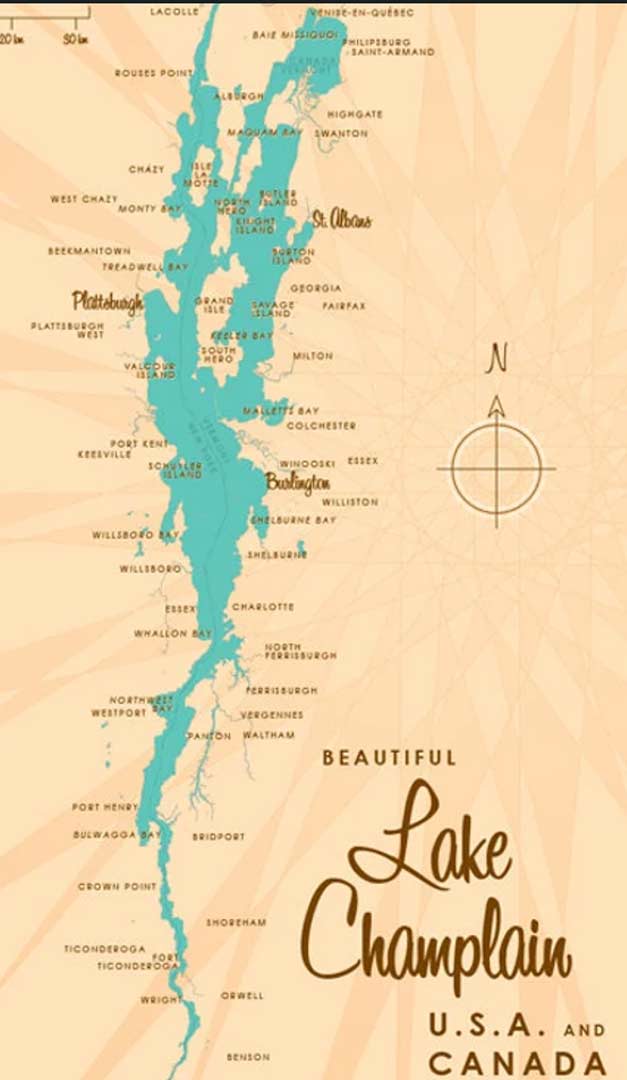
Arnold knew that Lake Champlain was the avenue for invasion by the British, from Canada to New York. It seems incredible, but this lake was the key to controlling North America for 200 years. To stop – or slow – the British, the Americans had to build a combat fleet from scratch on the south side of the lake, which, thanks to Arnold’s work in 1775, was protected by forts at Crown Point and Ticonderoga. Because Arnold had made his fortune as a trader who sailed from Canada to the Caribbean before the war, he completely understood how to operate ships and how to use them in battle.
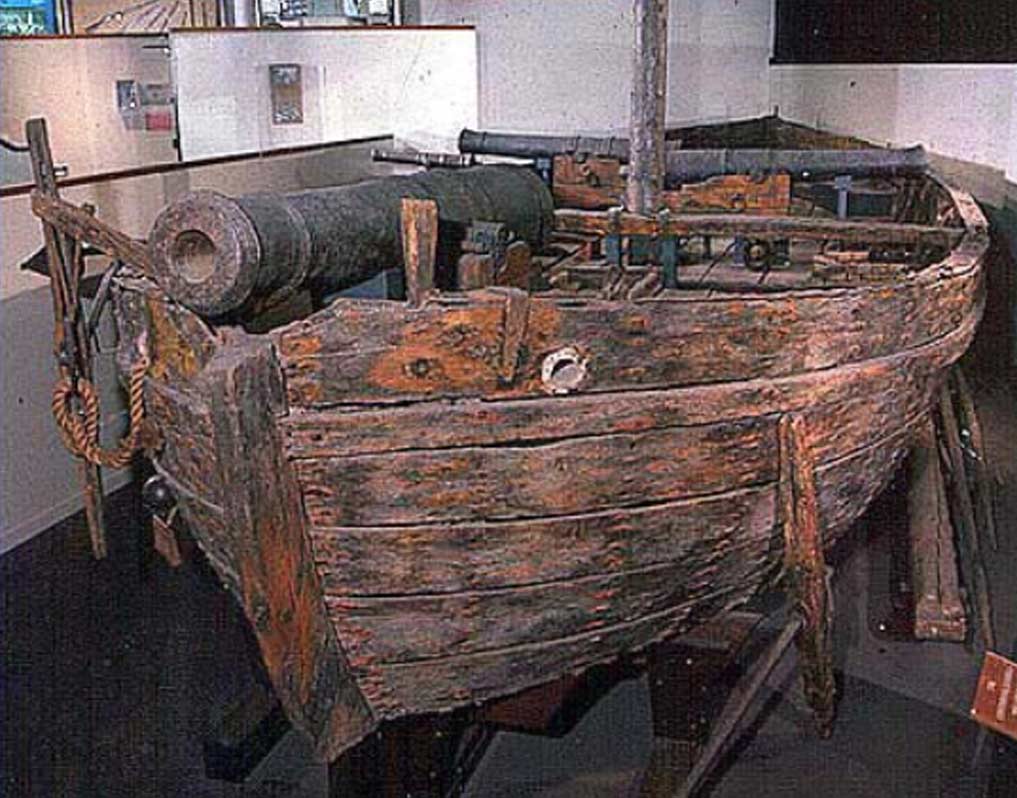
The British would, of course, out-build the American fleet at the north end of Champlain. However, Arnold was not planning on an outright victory, but instead a strategy of delay. He knew that stodgy British tactics would go into winter quarters if the Americans put up a good fight. While the British dismantled and carried a full-rigged ocean-going frigate from the St. Lawrence River to the lake, the Americans built a fleet of clumsy row galleys, gundelos and schooners. Arnold would have to fight with land-lubber crews, inferior lumber and lighter cannon. He didn’t care.
His tactical genius was manifested during the height of the spectacular fall colors in October. He moved his ungainly fleet into a channel on the west side, hidden by the imposing screen of Valcour Island. Knowing fall weather, he fully expected the British fleet to await a spanking northerly breeze to move southward down the lake. Hidden in the channel, the dumbfounded British showed uncharacteristically poor seamanship, as they turned around and floundered against the north wind.
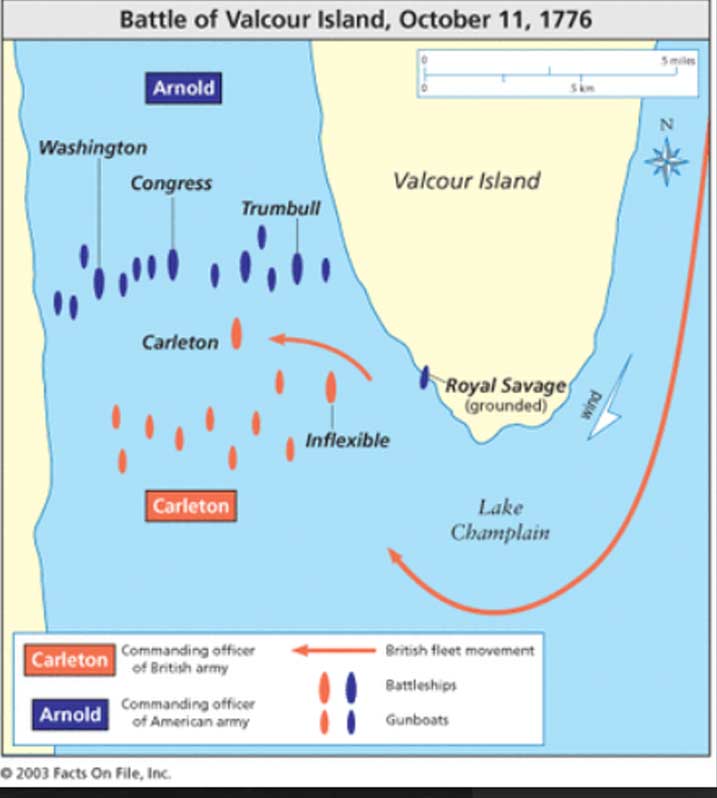
Arnold’s fleet was anchored in a crescent, where they could concentrate their fire. A day-long slugging match developed, which the Americans got the worst of, but where the British were also bloodied, and their firepower was never able to be utilized.
Naturally, the wind died down at sunset, and it appeared that Arnold’s fleet was now trapped. Certain destruction awaited them come morning, but Arnold was a master of retreat. He greased his oars, gagged the moaning wounded below decks, placed veiled lanterns in the stern of each boat, and under the typical heavy fog that comes on clear autumn nights, rowed his battered fleet, in disciplined single file, right through the British picket line!
As the fog lifted next morning, the British were again gob-smacked to find an empty channel and the Americans miles to the south, heading for the protective cannon at Crown Point. But the fickle winds of the lake now worked in the British favor: a fresh breeze brought them in pursuit, while the Americans were becalmed and totally reliant on their oars. Arnold sacrificed his own flagship, the Congress, as the rear guard, traded cannon fire, then abruptly steered the Congress into a small bay. There, he beached the boat, burned it, and quickly moved his men overland to Crown Point, avoiding the hired pro-British Indians, whose fast-moving canoes made it dangerous to delay in the forests.
Arnold’s strategic goal had been accomplished. Lake Champlain would not be secured by the invading British for another calendar year. The British retreated back up the lake, went into winter quarters, and planned to continue their invasion the next summer.
ALASKA WATCHMAN DIRECT TO YOUR INBOX
Arnold continued to provide intrepid service for the American cause: in his home state of Connecticut he commanded a pick-up army of militia to oppose a British raid, and the next summer along the Mohawk River. Meanwhile, incredibly, he was passed over for promotion. Washington was furious, and while Arnold was subsequently made a major general, they refused to restore his seniority. Washington expected Arnold to resign, but he knew that this man was – for the time being at least – absolutely indispensable.
The story of Saratoga, the complete destruction of the British army under Burgoyne, and Arnold’s heroic, dashing and reckless bravery, will await next year, the 250th anniversary. But the bottom line, hard for us to admit, is this: Arnold’s treason would be every bit as surprising and disgraceful as advertised.
But we would not have won the war without him.
The views expressed here are those of the author.





1 Comment
All true. Arnold’s downfall was his own ego.