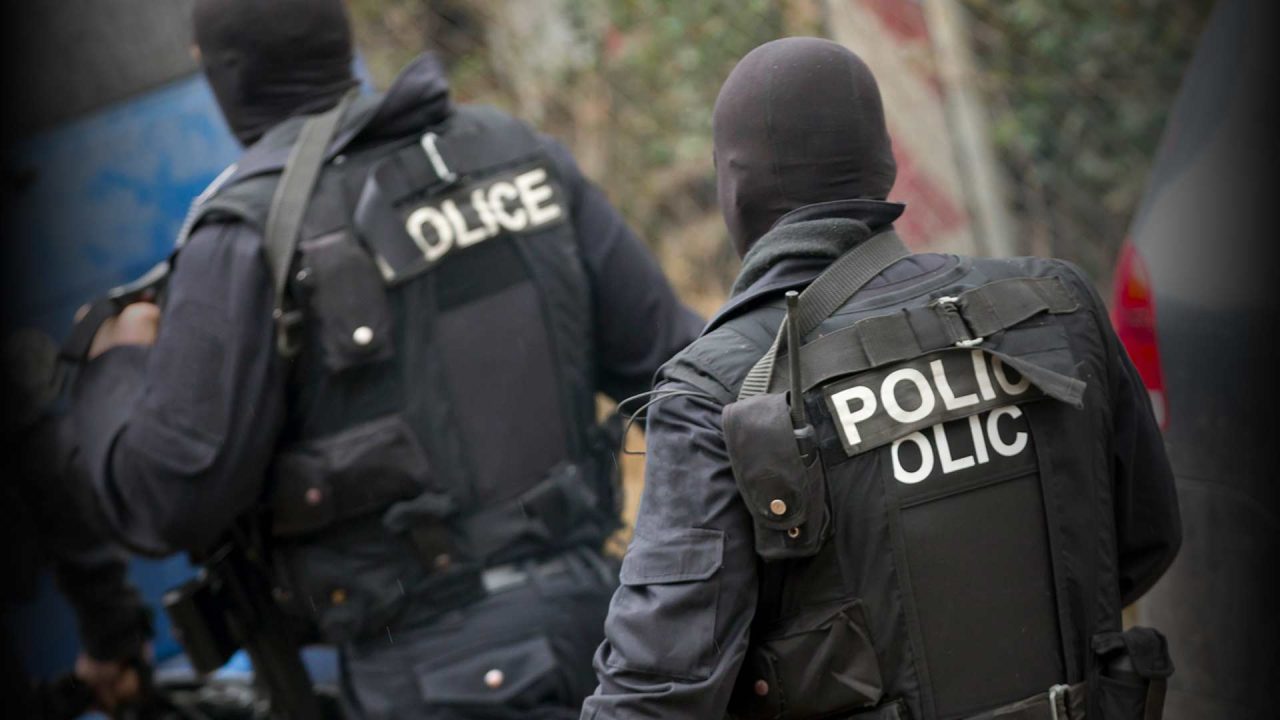


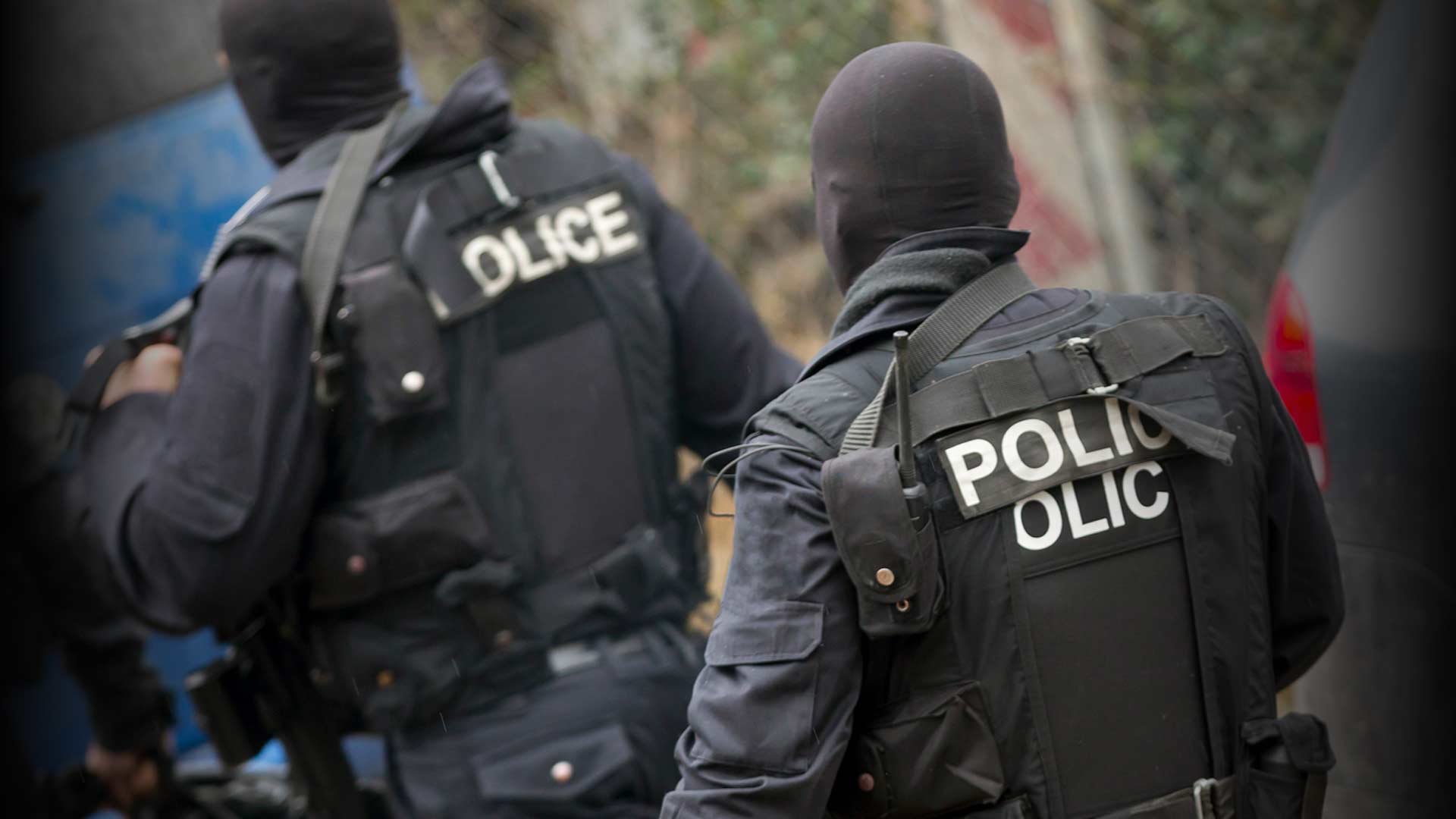
A new memo from the Alaska Legislature’s legal services division raises serious constitutional issues with a bill aimed at imposing criminal penalties on law enforcement officers who wear face masks while performing their duties.
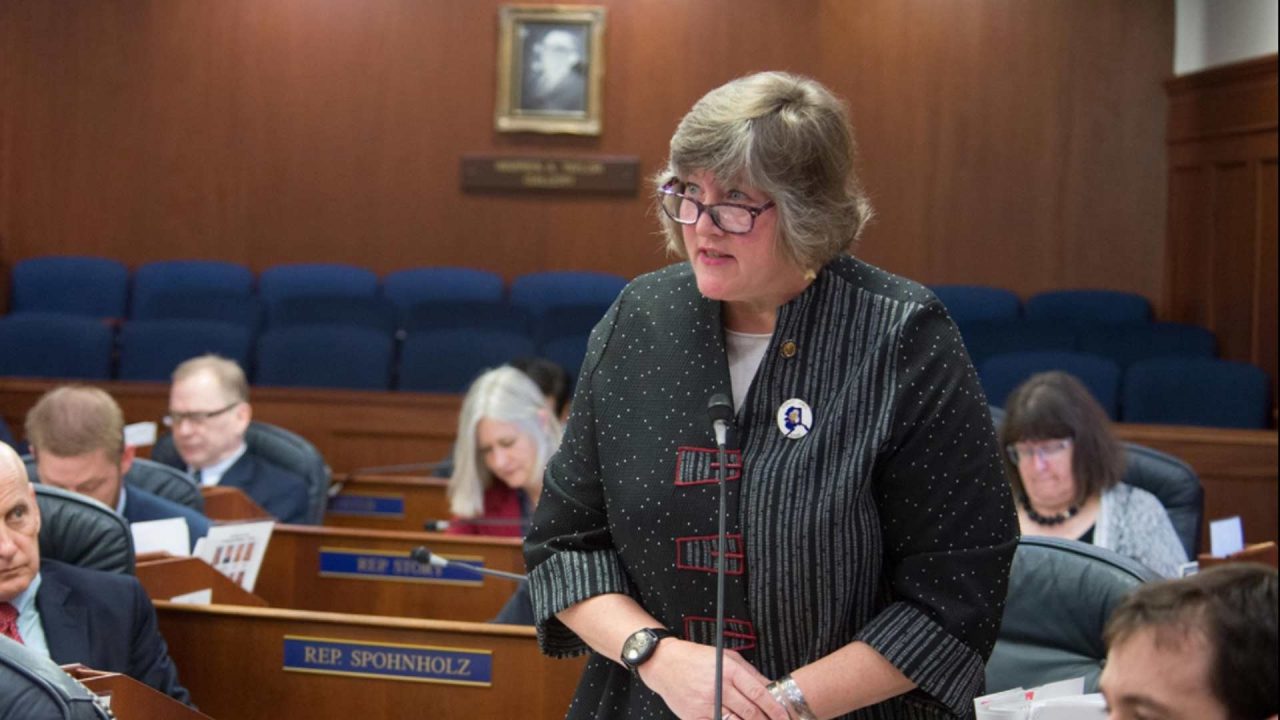
Sponsored by Juneau Democrat Rep. Sara Hannan, House Bill 250 has already sparked heated debate, including adamant opposition by Anchorage Police Chief Sean Case, who testified against the measure.
HB 250 would make it a Class B misdemeanor for officers to conceal their faces in public while on duty, with narrow exceptions for undercover work, transparent shields, limited medical masks or smoke protection.
The bill is part of a larger push in some Democratic-led states, where left-leaning lawmakers have sponsored similar bills. Those who oppose federal immigration enforcement tactics are largely behind the mask-banning efforts.
“In addition to raising potential supremacy clause issues with application to federal officers, this offense may also violate the separation of powers doctrine,” the memo notes.
Late last week, however, a legal analysis of the Alaska bill focused on its use of the term “peace officer.” Under state law, this would refer to “a public servant vested by law with a duty to maintain public order or to make arrests,” the legislative legal memo explains.
Since this definition would apply to local, state, and federal officers, the proposed law “may therefore raise supremacy clause and separation of powers issues,” the memo notes.
“The Supremacy Clause of the United States Constitution prohibits a state legislature from enacting legislation that preempts federal law,” the memo adds. “Federal law preempts state law where the two conflict.”
It goes on to note that the U.S. Supreme Court has previously held that under the Supremacy Clause, state laws that conflict with federal law are “without effect.”
“If challenged and a court found that HB 250 conflicted with executive or administrative orders, or directly regulated the conduct of federal officials, it would violate the Supremacy Clause of the United States Constitution,” the memo explains.
A footnote highlights that a similar California state law sought to ban masking of local and federal officials. It was set to take effect on January 1, 2026, but the U.S. Department of Justice brought suit for injunctive relief, arguing the law violated the Supremacy Clause. A California U.S. District Court imposed a preliminary injunction, preventing enforcement of the mask ban against federal law enforcement officers.
ALASKA WATCHMAN DIRECT TO YOUR INBOX
“In addition to raising potential supremacy clause issues with application to federal officers, this offense may also violate the separation of powers doctrine,” the memo adds. “Although the legislature has the ability to create offenses, it is generally limited by the separation of powers doctrine in its ability to direct the executive branch to require specific police officer action, create law enforcement policy, or how to exercise prosecutorial discretion with respect to that law.”
The memo concludes by noting that while the Alaska Legislature has set policy relating to peace officer training requirements, and has enacted other criminal provisions relating to peace officers under the general principles of justification, lawmakers have never “specifically enacted a criminal offense relating to the conduct of peace officers alone.”
“If this offense were challenged as a separation of powers violation, with the executive branch arguing this offense was enacted as a method by which the legislature is attempting to control peace officer policy and require specific peace officer action, a court may find this violates separation of powers provision under the Alaska Constitution,” the memo cautions.






1 Comment
Sorry, this sorry society tried to force me to wear a mask just to walk around in public. If authorized by their departments, police have a legitimate reason to wear them if they so choose, especially since criminals are free to do so and openly threaten police, so no foul.