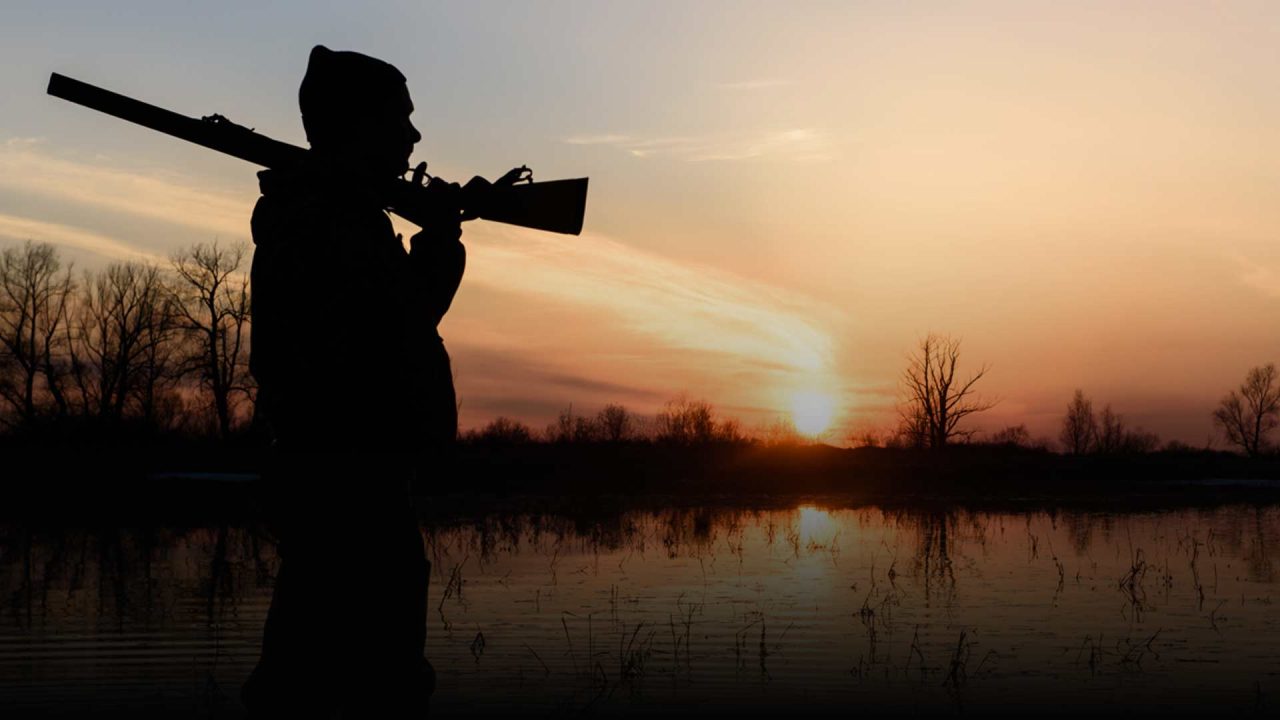


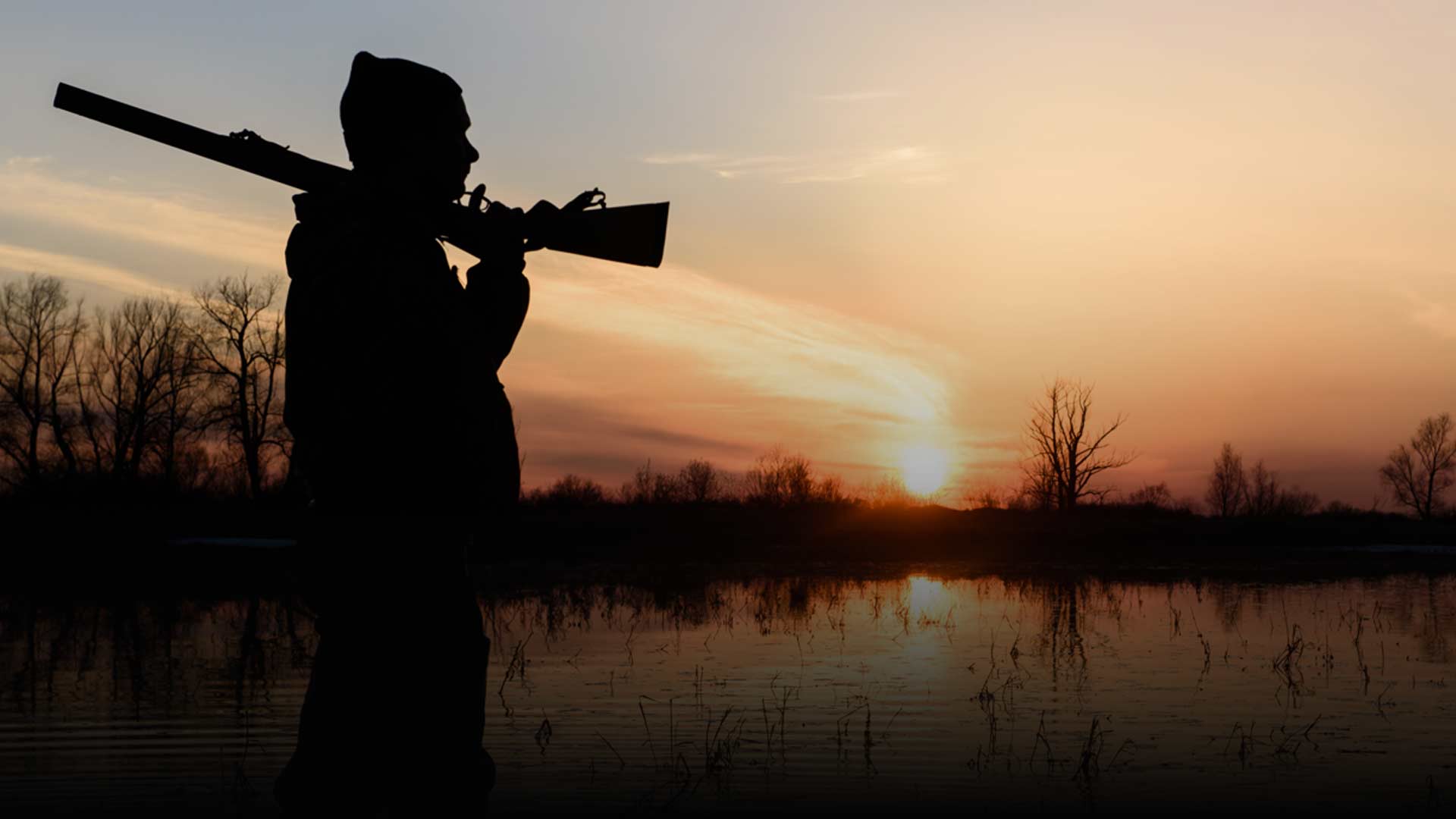
Alaska House Bill 321 is being sold to the Finance Committee as mostly technical housekeeping – updating boundaries, modernizing statutes, and fixing small legal descriptions. Yet buried throughout the bill are two quiet but consequential name changes: replacing “Game Refuge” and “Game Sanctuary” with “Wildlife Refuge” and “Wildlife Sanctuary,” and stripping “Alaska” or “State” from the official titles of several of our most iconic conservation areas, including the McNeil River Wildlife Sanctuary.
These changes are not confined to one section. They begin in Section 1 with a clear legislative intent statement: “It is the intent of the legislature that the state’s existing game refuges, game sanctuaries, and fish and game critical habitat areas be uniformly managed as wildlife refuges and wildlife sanctuaries.” The specific redesignations then run systematically from Sections 3 through 103, rewriting dozens of statutes in AS 16.20. For example, the McNeil River State Game Sanctuary becomes the McNeil River Wildlife Sanctuary; the Goose Bay State Game Refuge becomes the Goose Bay Wildlife Refuge; and the Palmer Hay Flats, Yakataga, Minto Flats, Susitna Flats, Trading Bay, Walrus Islands, and more than two dozen former critical habitat areas (Port Moller, Cinder River, Redoubt Bay, etc.) all lose the words “State Game” or “Critical Habitat Area” in favor of the new “Wildlife Refuge” label. The pattern is consistent.
As an economist, I do not usually quibble over wording. But in public policy, language is never neutral. These changes carry real long-term economic risks that deserve the Finance Committee’s attention before the bill moves forward.
Our wildlife resources are too economically valuable – and too important to rural jobs, self-funded conservation, and the state’s overall prosperity – to allow subtle framing shifts to undermine them.
The term “Game” has always signaled that these areas were established with consumptive uses – hunting and trapping – as a core, legitimate purpose alongside habitat protection. Replacing it with “Wildlife” aligns Alaska’s naming convention with the federal “National Wildlife Refuge” model, which historically prioritizes non-consumptive recreation and preservation. Even though the bill text still permits hunting under Board of Game rules, the new label subtly reorients the public and political understanding of these lands. Over time, that perceptual shift influences how legislators, regulators, courts, and advocacy groups view the proper balance of uses. It makes it incrementally easier to treat hunting as secondary or incompatible rather than a coequal, economically valuable activity.
Removing “Alaska” or “State” from the names compounds the problem. These designations are no longer explicitly branded as Alaska-owned and Alaska-managed resources. That branding matters. It reinforces state sovereignty and reminds the public that these special places belong to Alaskans and are governed under Alaska law. Stripping the state identifier weakens that rhetorical shield and makes it psychologically easier for future efforts — whether through conservation easements, non-profit partnerships, or co-management agreements – to dilute state control. Once the explicit link to the State of Alaska fades from the official name, the political cost of shifting management priorities downward decreases.
Economically, these framing changes are not harmless. Alaska’s wildlife economy thrives because it supports both consumptive and non-consumptive uses. Guided hunting alone generated $91.8 million in statewide output in 2019, supported 1,890 jobs, and produced $40.8 million in labor income. Brown bear hunting, in particular, is a high-value segment that injects premium non-resident dollars deep into rural Alaska. Any policy language that tilts the official identity of these refuges away from hunting risks gradual erosion of access, reduced tag and license revenue to the Fish & Game Fund, and lost multiplier effects in communities that depend on diversified wildlife spending.
ALASKA WATCHMAN DIRECT TO YOUR INBOX
This is classic institutional path dependence. Small wording changes today become the accepted framing of tomorrow. Future Boards of Game, legislators, or courts will operate in an environment where the default assumption has shifted. The result is a higher likelihood of incremental closures, more restrictive regulations, and ultimately deadweight loss to the economy – exactly the kind of inefficient government intervention that reduces total social welfare.
Administrative boundary fixes in HB 321 can and should stand alone in a clean-up bill. The name changes, however, deserve separate and serious debate. Alaska’s comparative advantage lies in offering world-class opportunities for both hunting and viewing. We should not quietly erode the linguistic and institutional foundation that has sustained that balance for decades.
I urge the House Finance Committee to remove the name-change provisions from HB 321. Language shapes policy. In this case, it risks shaping policy against the diversified rural economy that has served Alaska well.
Our wildlife resources are too economically valuable – and too important to rural jobs, self-funded conservation, and the state’s overall prosperity – to allow subtle framing shifts to undermine them.
The views expressed here are those of the author.



1 Comment
Very well stated. Thanks for bringing this to our attention.