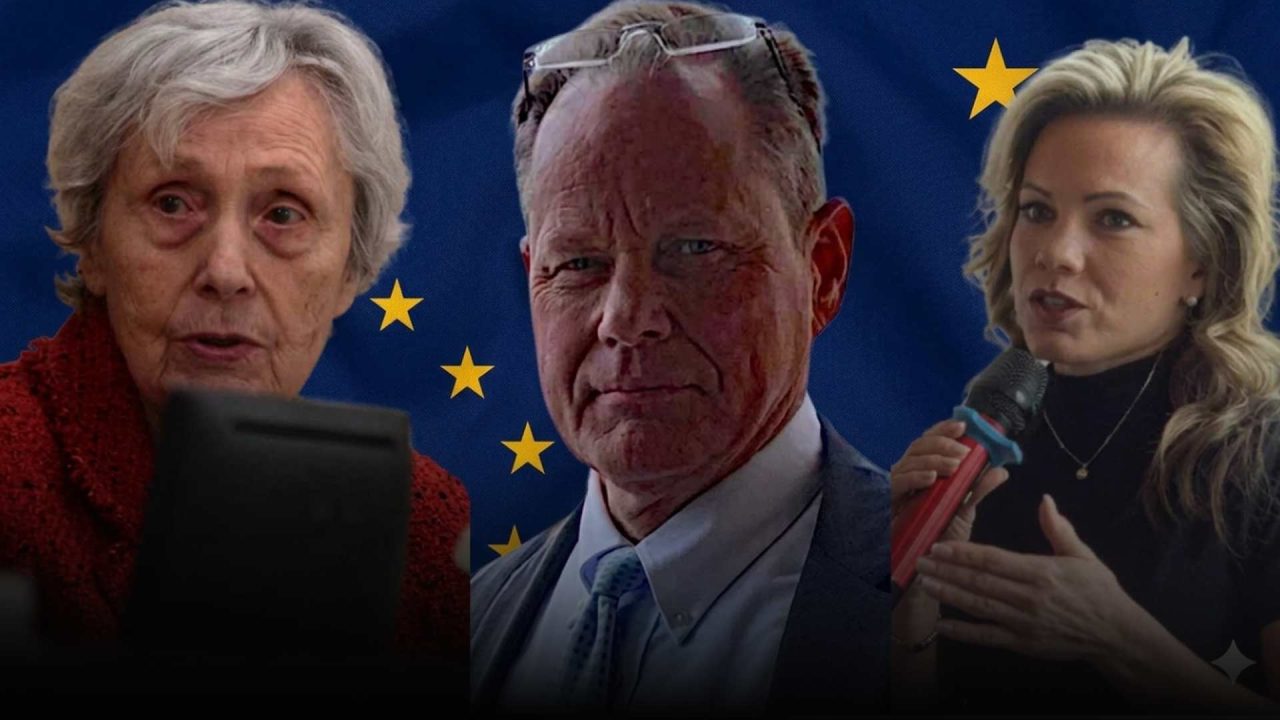

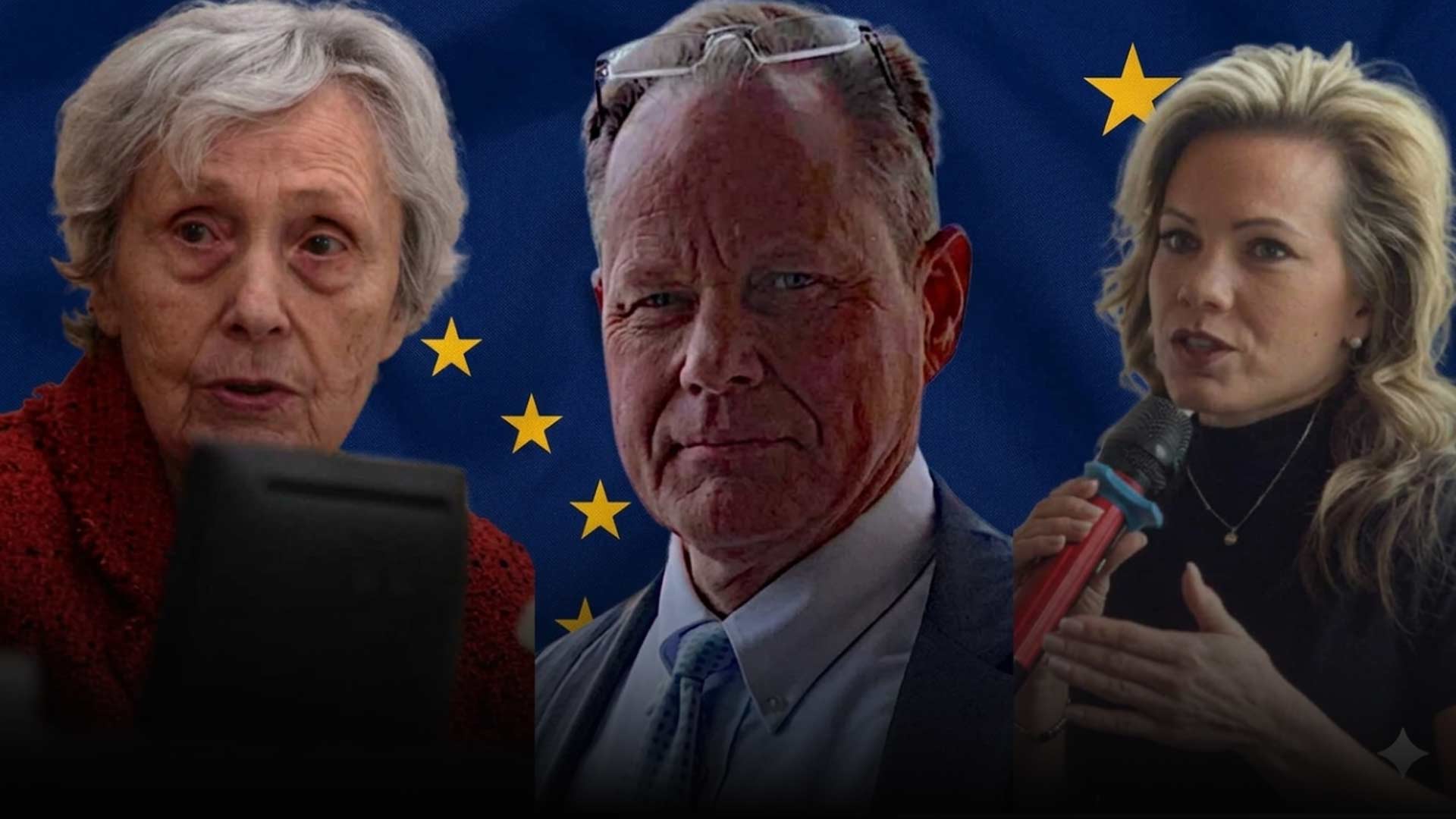
Most of us lament that the interminably long list of candidates offered to the Alaskan voter, through RCV, is exhaustive. It makes it impossible to discern the best positions and the best candidates. But three have advocated the kind of leadership we need in the governor’s seat. These three have stuck their necks out and have openly declared some unselfish and courageous things.
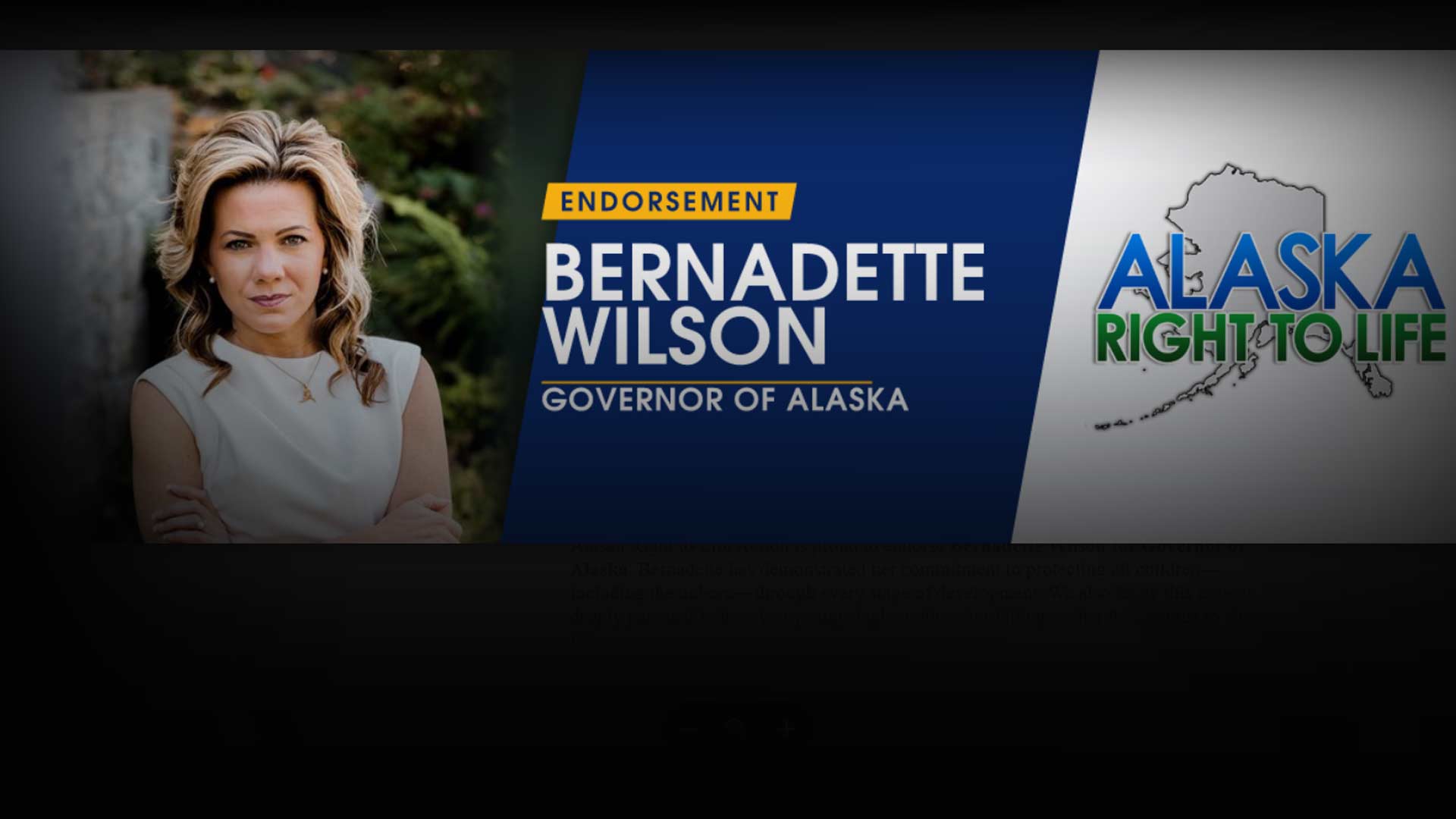
The first was Bernadette Wilson. She stated early on, that in order to defeat RCV, the Republicans who do not finish highest should drop out of the general election. And she stated categorically that she would do exactly that.
As one of the so-called “front runners,” her promise is unique. There is every possibility that she might poll strongly in the jungle primary, yet not be the top Republican vote-getter. Rather than risk giving an advantage to the Democrats, she has put conservative values, instead of Bernadette Wilson, as her priority.
Then there is Edna DeVries. As the Grand Jury and judicial corruption problems increasingly move to the forefront as a statewide issue, DeVries made it unmistakable that she would use all of the constitutional executive powers to restore the Grand Jury’s rightful place as superior to all three branches of government.

She personally witnessed the chicanery while she was in the state senate in 1982, when a Grand Jury recommended impeachment of Governor Bill Sheffield. DeVries completely understood that the erosion of Grand Jury powers began as a legislative reaction to the impeachment, leading to the first unconstitutional restrictions placed on GJ’s.
Now we have Mayor Dave Bronson, who on my radio show, recognized that the 2020 initiative that gave us ranked-choice voting was utterly illegal, and stated that he would likely wield Article 3, Section 16 of the constitution to declare RCV off the books.
With that, you could forget about the long, expensive, involved process of writing a counter-initiative to repeal RCV, and the evil lawfare tactics of Scott Kendall. The judiciary’s political opinions are not necessarily either constitutional, or binding. The Governor has an oath of office, too. He, too, can think for himself, and he is not a coequal branch, but superior to the judiciary.
Once again, here is the authority that Alaska’s governor possesses above any other state governor in the union:
Art. III, § 16. Governor’s Authority: The governor shall be responsible for the faithful execution of the laws. He may, by appropriate court action or proceeding brought in the name of the State, enforce compliance with any constitutional or legislative mandate, or restrain violation of any constitutional or legislative power, duty, or right by any officer, department, or agency of the State or any of its political subdivisions. This authority shall not be construed to authorize any action or proceeding against the legislature.
Now, here is the transcript from KSRM’s The Talk of the Kenai, Tuesday April 21, 2026. You can listen to it by going to www.radiokenai.com, and please note that because of the need to streamline the transcript, this is not pretending to be letter-perfect:
Bob: As governor, you could easily have us avoid the torture of repealing RCV through a counter-initiative, [by saying] “This administration is not going to enforce a supreme court order that destroys…”
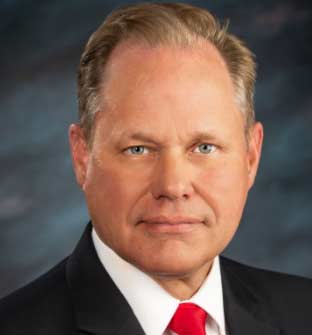
Bronson: That’s exactly right.
Bob: You think you would wield that?
Bronson: I would definitely consider that. In fact, I think I would. The very reason is that RCV was illegally construed, illegally written, because as you said we are supposed to be single subject on these ballot measures. They said that this was done in order to get rid of ‘dark money,’ but there’s more dark money in Alaska because of RCV. That campaign was funded by dark money.
Bob: I want to say, Mayor Bronson, your reply is news. You are the first candidate for governor who said that you would wield Art. 3, Sec. 16.
Bronson: And not just there. There are other things. I would not say many, and I won’t get into them now.
If you are wondering where leadership and courage line up in the candidates, this is a good start. In all of these issues, they stand alone. The other candidates might agree or disagree, but these three are going to force the others to tell us “Yes” or “No.”
Now, we may see more of them make a stand, or we may not. But on these three issues, the remaining candidates ought to be asked, in public Q&A sessions, if they agree or disagree with: Wilson, de Vries and Bronson.
The views expressed here are those of the author.



13 Comments
Wow. Your list is shorter than mine. Courage and leadership are important, but so is integrity. The latter two candidates you wrote about have it, the first does not.
Out of these three candidates, Bernadette Wilson is the one who’s avoided answering the last few questions that the Watchman has asked. What is she hiding or not wanting to say?
Bob Bird stumping for Wilson….or am I in error? One of the two of us is!
“Bronson: And not just there. There are other things. I would not say many, and I won’t get into them now.”
I can’t wait to hear the rest of them!
Our judiciary is not elected and virtually un-impeachable. Fight for Grand Juries powers as originally written is first on the list. Edna, Bernadette, Shelly and Bronson seems to understand that.
Am not stumping for anyone. The field is too crowded to know who will win. None of us need to be reminded that the three listed are flawed human beings, because we ALL are. What I am hoping for is that the other 15 or 16 candidates will find their own issue to “stick their necks out on”, or at least be forced to address these issues.
Thank you for this article Mr. Bird. I think that you are spot on with the three that could be serious candidates of choice. Our Grand Jury is one of the most important things that this state’s residents need to put back in the game as it should be our right to use our voice to influence the judicial system. The PFD topic is also very important. If the government thinks that we should not receive it, then the mineral rights need to be returned to all of the property owners in this state.
I think Shelley Hughes and Treg Taylor are also serious candidates of choice -not that I agree with them on everything, but they do have a following. I don’t think Wilson is a serious candidate. She knows how to make noise and get attention, but does not possess leadership qualities and has concerning integrity issues. She’s a one-woman, head-turning show, kind of like the Sydney Sweeney of Alaskan politics. No thank you.
No more “Air Heads” and disbarred attorneys.
Sydney Sweeney with a big head and miniature body! Not a head turner unless your name is Chris tuck! Baby daddy!!! Demoncrat!
“while she was in the state senate in 1982″…a candidate who was in the State Senate in 1982 shouldn’t be running in 2026.
Godly, fearless, wise, yah we can’t have that now can we!
Bernadette Wilson chose not to answer if she backs a statewide sales tax per the Alaska Watchman article published 3/24/26.
That’s….quite the stand.