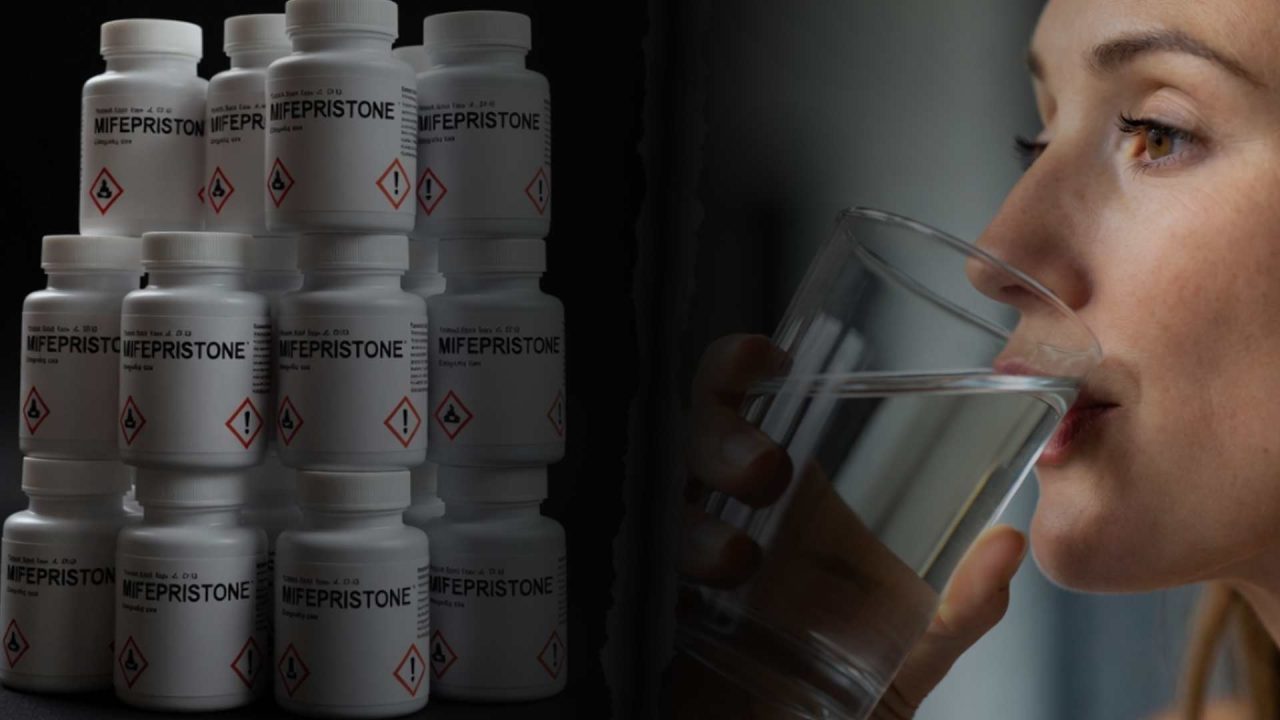

Alaska’s Acting Attorney General Cori Mills has joined a coalition of attorneys general from 13 states to formally urge the U.S. Environmental Protection Agency to include the abortion drug, mifepristone and its approved generics, as a drinking water contaminant.
The letter warns that rapidly expanding usage of the chemical abortion drug is sending active pharmaceutical residues into American waterways.
Missouri Attorney General Catherine L. Hanaway submitted the June 5 letter to the EPA’s Water Docket on behalf of the group. The letter argues that mifepristone, a synthetic steroid and endocrine disruptor, poses an emerging threat to drinking water sources that requires further federal study.
According to the letter, mifepristone blocks progesterone receptors in the uterus. When taken, it “chemically destroys the baby’s uterine environment, preventing the baby from receiving nutrition and ultimately starving the baby to death in the womb.” Originally approved by the FDA in 2000 with strict Risk Evaluation and Mitigation Strategy (REMS) requirements, including in-person dispensing and follow-up care, those protections have been significantly loosened in recent years.
The attorneys general contend the regulatory changes were “unlawful and unsafe” and have driven a sharp increase in at-home chemical abortions. They cite Guttmacher Institute data showing chemical abortions rose to 63% of all U.S. abortions in the formal health care system in 2023, compared with 31% in 2014 and 14% in 2005.
Alaska’s latest data shows that 60% of in-state abortions are now done using mifepristone.
ALASKA WATCHMAN DIRECT TO YOUR INBOX
The AG’s letter also notes growing numbers of self-managed abortions in which mifepristone is mailed across state lines in violation of many state laws. Multiple providers, the letter states, instruct patients to flush blood and tissue down the toilet after the procedure.
The core concern in the letter deals with environmental persistence. Mifepristone metabolites “retain [their] considerable affinity toward the human progesterone and glucocorticoid receptors” after excretion, the letter notes. Conventional wastewater treatment is not designed to remove these compounds, raising the possibility that residues remain in both the environment and public water supplies.
If concentrations become high enough, the letter warns, pregnant women who unintentionally ingest the drug through drinking water could face elevated health risks. It further notes research suggesting mifepristone exposure may affect reproductive organ development and fertility, drawing parallels to other endocrine-disrupting chemicals, which have already prompted EPA regulatory action.
The signatories – including Alaska Acting Attorney General Cori Mills and attorneys general from Alabama, Arkansas, Florida, Idaho, Indiana, Kansas, Kentucky, Louisiana, Nebraska, Oklahoma, South Carolina, and Texas – say they have prioritized protecting women from mifepristone-related harms through multi-state litigation aimed at restoring REMS protections and state court actions against providers for alleged misrepresentations about side effects.
The attorneys general argue that mifepristone’s current high usage makes its inclusion as a possible contaminant a logical next step to assess risks to “sensitive subgroups,” including pregnant women, as required under the Safe Drinking Water Act.






9 Comments
Gutless Dunleavy avoids the real issue and leaves it to the AG to skirt a bold stand!
this scientifically unproven scare gimmick shows that the anti abortion movement has exhausted its arguments.
Evan “flat earth conspiracy theorist” Singh here obviously did not review the letter to see that there are very real scientific references noted in the footers. So considering Evan’s statement is FALSE that this is just some “scare gimmick, it is revealed that Evan harbors some deep emotional wounds regarding abortion. Otherwise, why would a person such as Evan be so vehemently supportive of murder of the unborn?
I dare say that Evan needs professional therapy to heal his psychological wounds and any statement from him should be profoundly disregarded thus forth!
Are there footers? I don’t see them. Maybe a browser issue. The waste water issue depends on dosage of mifipristone. What amount is insignificant?
Here’s a question for you, Evan: Is conventional wastewater treatment designed to remove human fetal remains?
You know what else is scientifically unproven? That abortion is safe for anyone, any time, by any means.
Evan, what if your mother aborted you. But your mother didn’t, now you can say what you want here.
That unborn baby, has no say until born. So stop this nonsense.
This is great news!
Let’s also encourage the EPA to include the chemical components of hormonal contraceptives to the list of drinking water contaminants as well. There’s waaaaaay more of them being flushed down our toilets than mifepristone, and they adversely affect not only the wildlife in our waterways, but pose a threat to the health and fertility of men, women, and children as they persist for years in the environment and public water systems.
I have been filtering my water since I first learned about the toxicity of sodium flouride. Use Zero, as Brita is ineffective.