
In what may well reshape the medical landscape of Alaska the Trump administration announced $160 million for 142 health projects across the state, including robotic surgery in the Southeast, AI-assisted stroke imaging at hospitals statewide, a tribally led behavioral health campus and a first step toward drone deliveries of prescription drugs to remote villages.
Announced on Aug. 25, funding for the projects is part of the federal Rural Health Transformation Program, a $50 billion, five-year effort created under the Working Families Tax Cuts Act. Alaska is set to receive about $272 million a year through 2030, one of the largest state awards. Officials said Tuesday’s package is only a slice of that first-year total.
The grants are meant to modernize care where distance, weather and a thin Alaska workforce have long forced patients to fly out for specialty treatment. Projects range from high-tech operating rooms to data systems that help small clinics share records with larger hospitals.
Among the largest awards is $6.5 million to bring robotic-assisted, minimally invasive surgery to southern Southeast Alaska for the first time. Officials say the equipment is intended to keep more procedures in-state, cut referrals to Anchorage or the Lower 48 and shorten recovery times.
Another $5 million will support a first-of-its-kind tribally led behavioral health and recovery campus in Southeast Alaska, aimed at expanding addiction treatment closer to home.
More than $3.1 million will deploy AI-powered imaging at 21 acute-care hospitals, pairing multi-pathology triage with advanced stroke scans so clinicians can flag time-critical findings faster. Another $4.75 million has been set aside to strengthen health data exchange so rural and small providers can plug into statewide networks.
ALASKA WATCHMAN DIRECT TO YOUR INBOX
Nearly $4.6 million will go to the Alaska Family Medicine Residency Program to train and keep primary care physicians in the state.
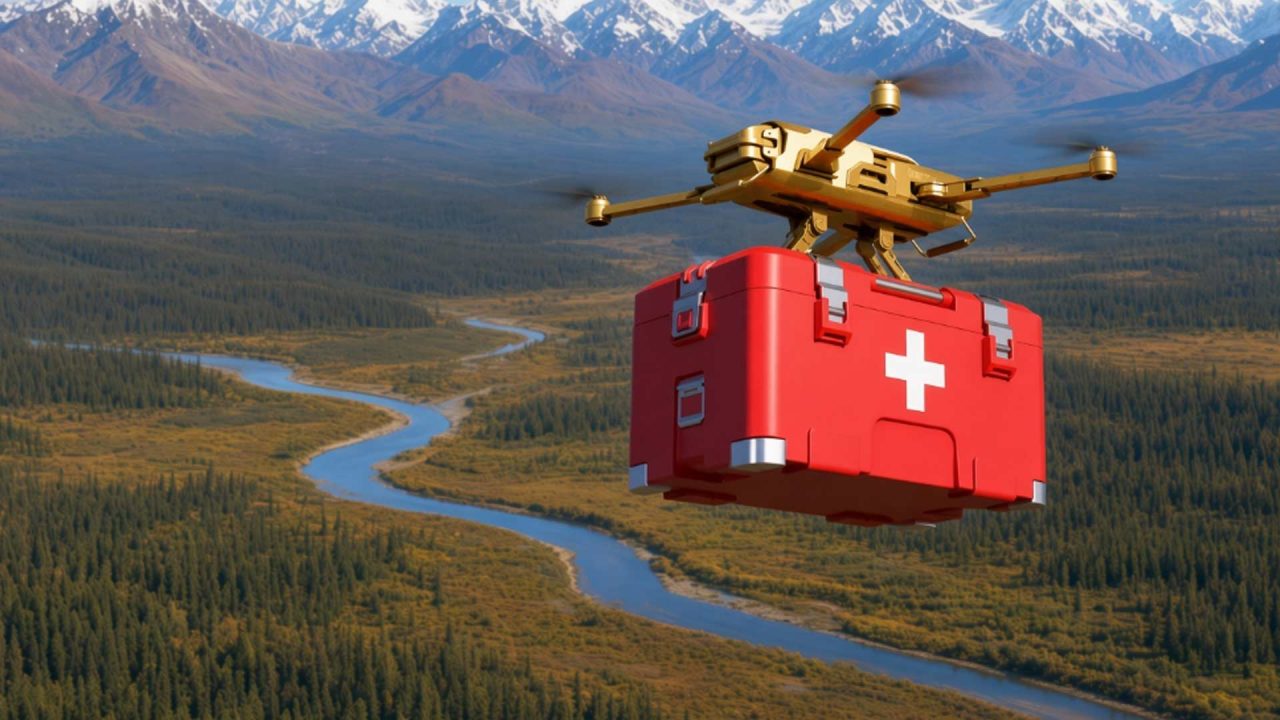
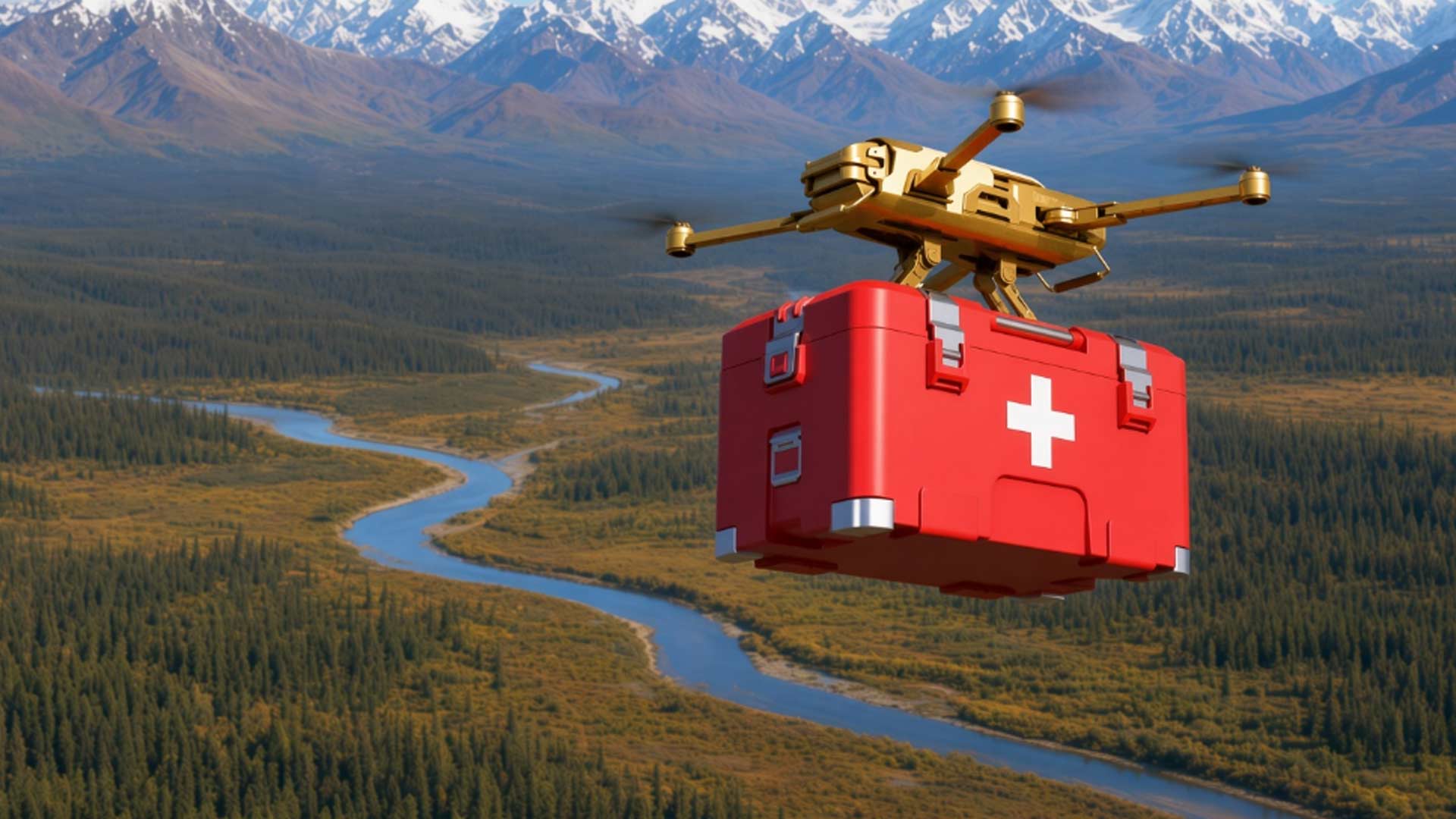
One of the more intriguing elements is a $250,000 project to design the framework for drone-based pharmaceutical delivery across about 94,000 square miles. In many villages, winter weather can delay medications for weeks. The award funds planning, not a full statewide drone fleet.
Alaska’s congressional delegation welcomed the awards. Sen. Lisa Murkowski said the projects show “creative thinking” on longstanding access problems. Sen. Dan Sullivan, who has pushed the rural health fund, called it “the biggest investment in Alaska’s health care system in our state’s history” and noted more awards are still coming. Rep. Nick Begich noted that the state’s size and isolation require technology that “overcomes distance.”
Alaska’s first-year share of the Rural Health Transformation Program funds amounts to about $272 million. With hundreds of applications on file, state health officials have already begun distributing grant money.






3 Comments
It is amazing that the native hospitals are flooded with cash enough to keep building fancy new facilities like the ones being constructed along Tudor, but the people they are supposed to serve remain sick and prowling the streets asking for handouts.
I agree!
Throwing all the money in the world at special projects will not improve anything without a babysitter.
What? You ask?
Fact: Government money in the millions and billions as been stolen by NGO’s, dishonest states and feel good projects, while CEO’s and the likes make bank.
No oversight or ablity to hold the programs accountable is like throwing the money into the air – it is sad but true.