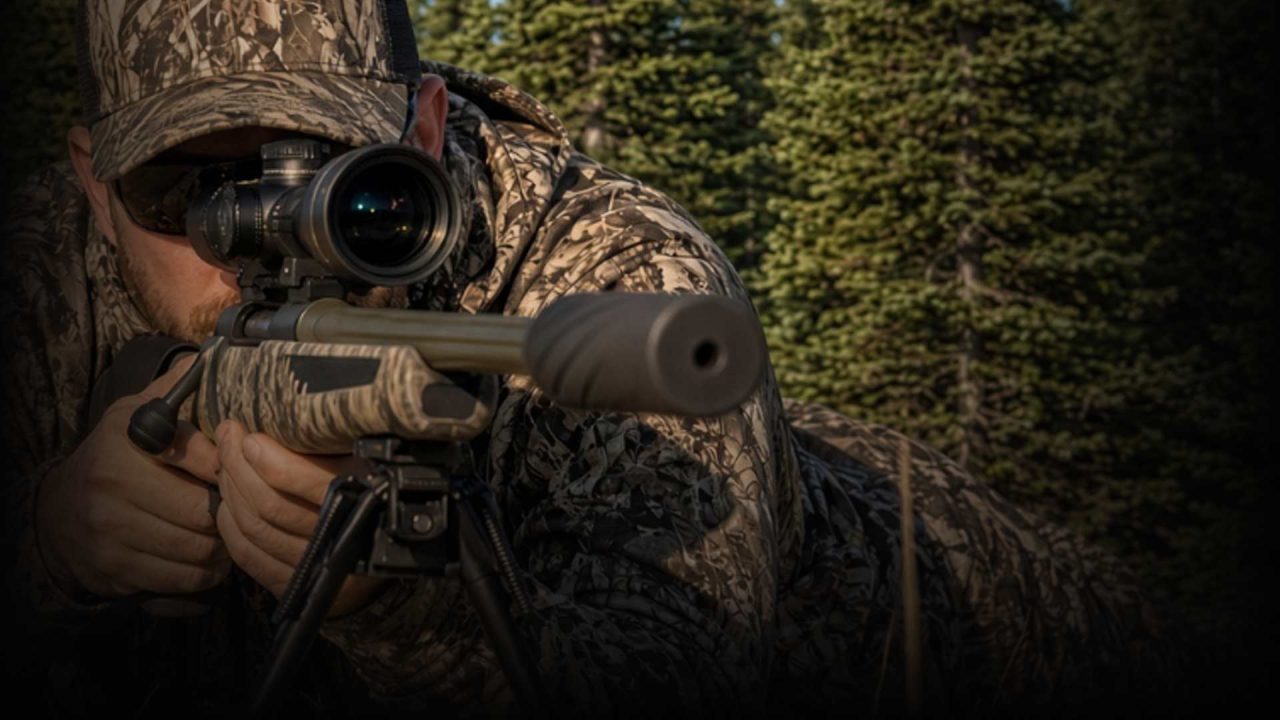

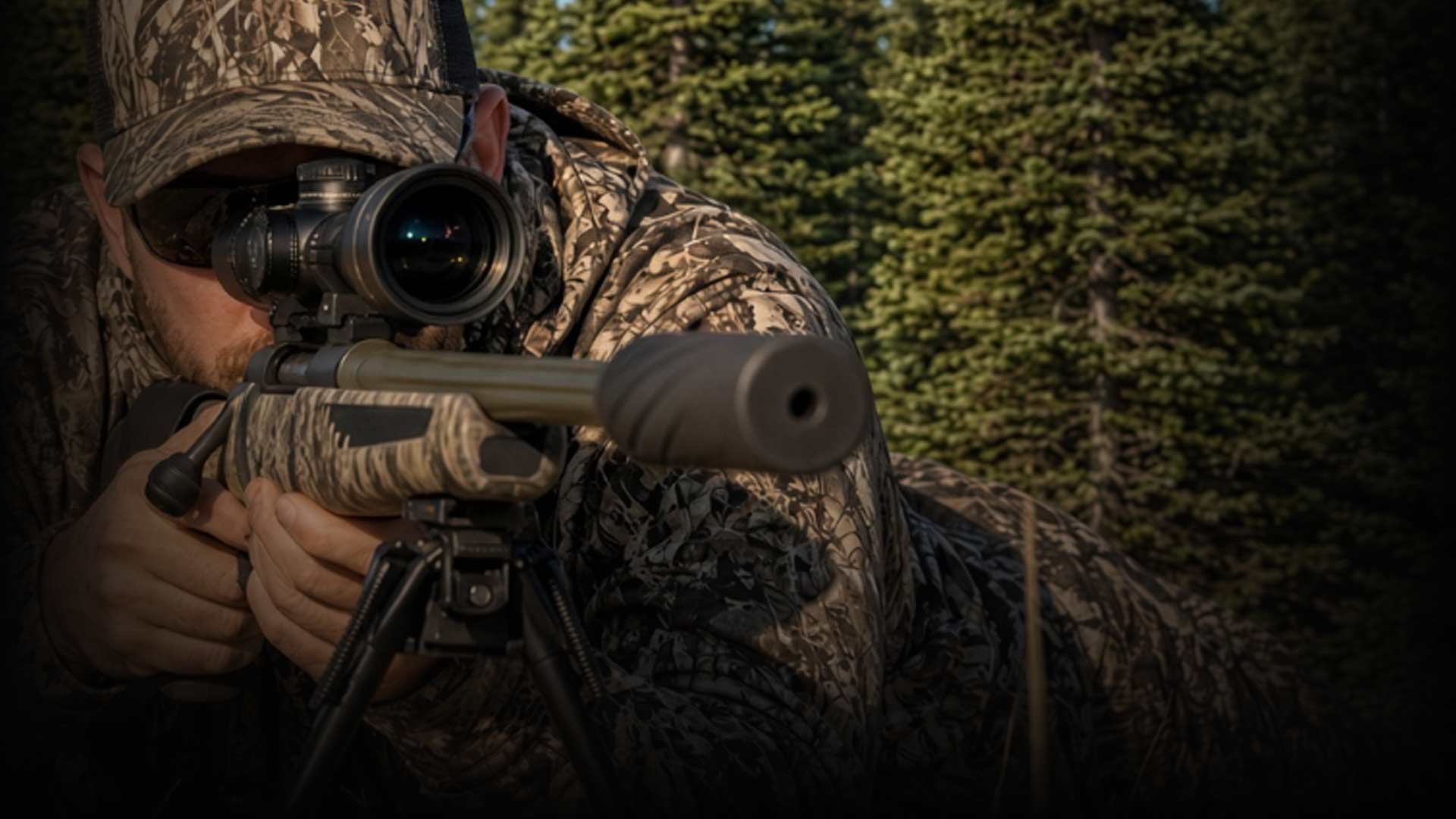
Washington loosened its grip on suppressors. The strange part is that Alaska may now be the government standing in the way.
I have gotten quite a few emails about suppressors lately, including one from an Anchorage lawyer, and most are asking some version of the same question. If the federal government is backing away from suppressor registration, what does that mean for us?
First, the Supreme Court did not rule on this. I have seen that floating around and it isn’t true. On August 5th, a federal trial court in Texas ruled that the federal government could not require certain people to register a suppressor. The registration requirement had survived for years under Congress’s power to tax. Congress dropped that tax to zero on January 1st, and the judge basically said that if there is no tax to collect, you cannot keep using the taxing power to justify the registration scheme.
It is an important ruling, but it isn’t the end of the story. It is one federal trial court, similar cases are moving through Missouri and Kentucky, and the federal government may appeal. It also doesn’t apply to everybody. It covers the people who sued, members of the groups that sued, and customers of the companies involved. If that isn’t you, don’t assume the Texas decision magically changed federal law for you.
The suppressor part of our law is particularly hard to defend because Alaska already lets people hunt with them.
But here is where it gets interesting for Alaska.
Even if Washington decides you don’t need to register your suppressor, Alaska still calls it a prohibited weapon.
Alaska Statute 11.61.200 makes possession of what Alaska calls a “prohibited weapon” a class C felony. Suppressors are on that list, along with short-barreled rifles and short-barreled shotguns. For years there has been a defense if you complied with the federal registration requirements. In practical terms, that meant your Form 4.
That worked well enough as long as the federal government required the paperwork. You filled it out, waited, got your stamp, bought your suppressor and went on with your life. But Alaska never really legalized the suppressor. We left it on the prohibited-weapons list and gave you a defense based on federal paperwork.
That distinction matters now.
If you are covered by the Texas ruling and legally acquire a suppressor without a Form 4, you could be perfectly legal under federal law and still have a serious problem under Alaska law. The federal judge told the federal government what it could enforce against the people covered by his ruling. He did not rewrite Alaska’s criminal code, and he certainly did not tell an Alaska State Trooper or a district attorney in Palmer to ignore it.
So don’t read about the Texas case on Facebook and decide suppressors are now completely deregulated, and head for the gun store. Alaska law is still sitting there. Talk to an Alaska attorney who knows this stuff before you do anything. I am currently a legislator, not your lawyer, and none of this is legal advice.
What I will do is work on the Alaska part, and the Legislature was already headed that way.
Senator Scott Kawasaki introduced Senate Bill 243 in February. It’s pretty simple. It takes suppressors off Alaska’s prohibited-weapons list. Legislators Tilton, Bjorkman, Myers, Cronk, and Rauscher signed on with him. A Fairbanks Democrat carrying a gun bill with five Republicans behind him probably tells you all you need to know about how “partisan” this particular issue is.
State Affairs heard the bill March 5th. It came out May 1st with no cost to the state and went to Judiciary, where it sat until the session ended. Nobody killed it. We simply ran out of calendar.
We should finish it in January, and I think we ought to go a little further.
Suppressors aren’t what Hollywood made them out to be. They don’t make a rifle silent. Not even close. They reduce the blast, help protect hearing and reduce recoil.
Take suppressors off the prohibited-weapons list. Take short-barreled rifles and short-barreled shotguns off too. Bombs, grenades, and machine guns can stay exactly where they are. Nobody is talking about changing that.
The suppressor part of our law is particularly hard to defend because Alaska already lets people hunt with them. We have one Alaska law telling you that you can put a suppressor on your rifle and go hunting, while another Alaska law calls that same suppressor a prohibited weapon and gives you a defense if you complied with federal paperwork.
That isn’t some carefully designed Alaska firearms policy. It is an old law that federal paperwork covered up for years, so nobody bothered to go back and clean it up.
And suppressors aren’t what Hollywood made them out to be. They don’t make a rifle silent. Not even close. They reduce the blast, help protect hearing and reduce recoil. Less recoil can also mean a steadier shot and, for a hunter, a cleaner kill.
Find somebody who has been shooting rifles in Alaska for thirty or forty years and ask how their hearing is. I suspect that conversation will make a better argument for suppressors than most of what you will hear in a committee room in Juneau.
ALASKA WATCHMAN DIRECT TO YOUR INBOX
More than fifty years ago, the Alaska Supreme Court wrote about Alaska being home to people who value their independence and came here, or stayed here, because they wanted more control over their own lives. That still sounds like Alaska to me.
Which makes this whole thing a little backwards.
We spend plenty of time in Juneau complaining about federal overreach, and most days I am perfectly willing to help. But we ought to be just as willing to look in the mirror when the problem is ours. If Washington loosens its grip and Alaskans still cannot exercise that freedom because of something we left sitting in our own criminal code, blaming Washington gets pretty hard.
On this one, Washington isn’t holding the leash.
We are.
A few words in Alaska law created the problem, and a few words can fix it. The legislature should work with the NRA now and file a bill before the next session that does just that.
We go back to Juneau in January. Let’s fix it.
Thoughts and ideas here are my own and represent no other person or entity, including the State of Alaska. Nothing here is legal advice.




1 Comment
Join the Gun Owners of America (GOA) to be covered under federal requirements. Alaska is no different than any other state government. They keep archaic laws on the books for those special occasions where they really want to put the screws to someone of special interest. It’s called charge stacking. A common enough methodology increasingly adopted by DA’s. Example: Shooting from, across or parallel to a road is a regulatory violation (mail bail citation) under AS Title 16 (Fish and Game regs) but the same action is a Class B misdemeanor under AS Title 11 criminal law. Gotcha! The BOG and DFG knows and does nothing to clarify. Be careful out there folks.