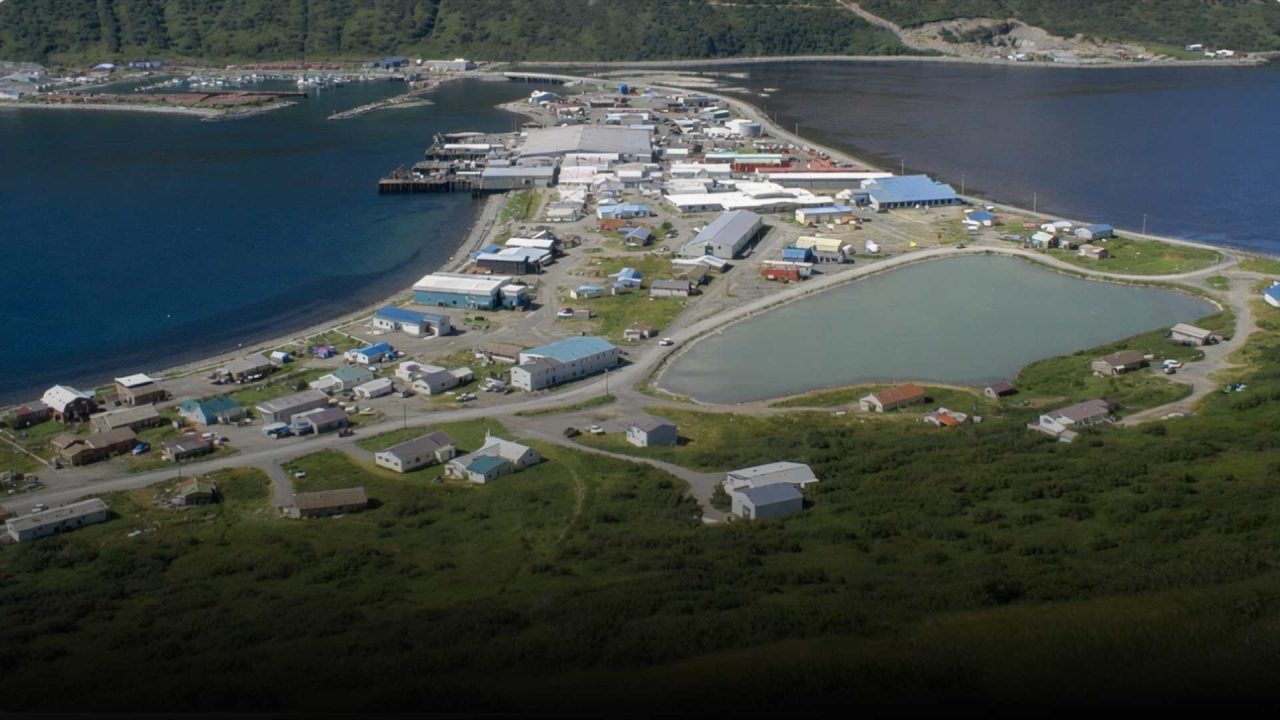


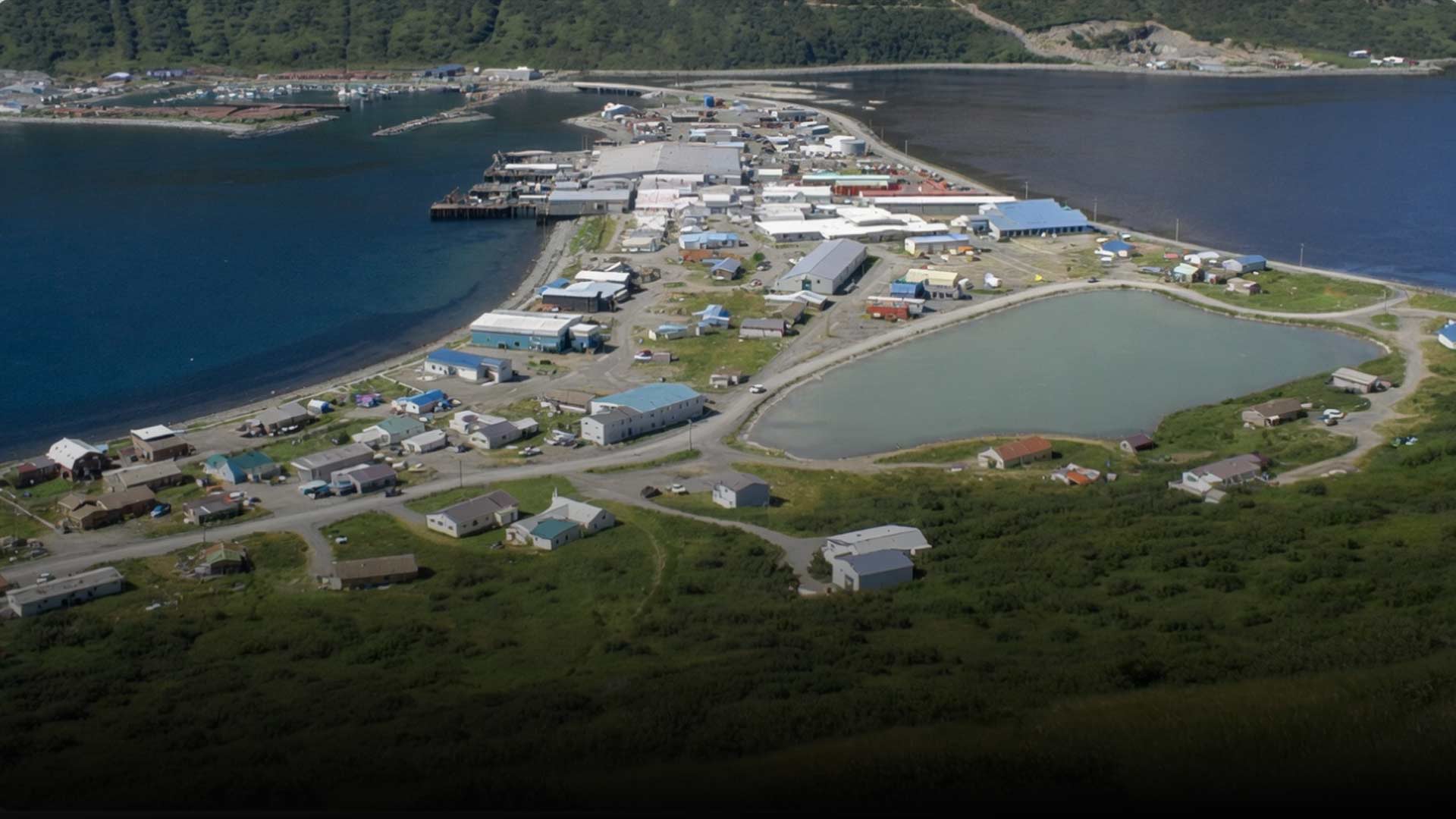
After decades of resistance from a coalition of radical climate activists, the State of Alaska has received final federal approval to build roughly 12 new miles of a single-lane, low-speed gravel road connecting the communities of King Cove and Cold Bay in remote Southwest Alaska.
Gov. Mike Dunleavy announced the major milestone on July 10, noting that the project will finally connect King Cove to the all-weather airport in Cold Bay, ensuring residents have dependable access to emergency medical transportation regardless of weather conditions.
“This is a historic day for the people of King Cove and the people of Alaska,” Dunleavy noted. “I want to thank President Trump and his administration for putting the people of Alaska first and allowing this road to become a reality.”
While local residents have long pushed for the road, a coalition of prominent environmental organizations has mounted strong, sustained opposition, arguing that the 12-miles of new gravel road would irreparably damage bird habitats in the vast Alaska wilderness.
The Sierra Club has led the charge, joined by numerous allied environmentalist groups. A November 2025 lawsuit challenged the key federal land exchange needed to build the road.
Over the years, numerous medical evacuations have been delayed or cancelled because weather conditions made marine crossings or flights to and from King Cove unsafe.
Other left-leaning climate groups opposing the road have been Defenders of Wildlife, Earth Justice and Center for Biological Diversity, National Audubon Society, Wilderness Watch, and Trustees for Alaska.
These environmentalists argue that the road would bisect the 307,982-acre Izembek Wilderness and prioritize the needs of local residents over those of the migratory birds.
Local Alaska Native groups, however, strongly favor the project to improve emergency access and economic connections. Supporters include Agdaagux Tribe of King Cove, Native Village of Belkofski, King Cove Corporation, Aleutians East Borough and the City of King Cove
This past October, the Department of Interior signed a land exchange with the King Cove Corporation, providing 490 acres for a transportation corridor passing through Izembek National Wildlife Refuge in exchange for 1,739 acres of high-conservation value land.
Earlier this week, the U.S. Army Corps of Engineers, the Alaska State Historic Preservation Officer, the Alaska Department of Transportation and Public Facilities, the Agdaagux Tribe of King Cove, and the King Cove Corporation signed a programmatic agreement pertaining to Section 106 of the National Historic Preservation Act.
ALASKA WATCHMAN DIRECT TO YOUR INBOX
On July 10, the U.S. Army Corps of Engineers announced it has issued the Clean Water Act Section 404 permit to the Alaska Department of Transportation and Public Facilities. The State will immediately begin mobilizing equipment and supplies and expects to begin road construction in 30 days.
“The King Cove Road is about safety,” said Ryan Anderson, Commissioner of the Alaska Department of Transportation and Public Facilities. “This project will improve transportation for the community while also creating local jobs and workforce development opportunities for the people of King Cove. DOT&PF is proud to work with our community, Tribal, and federal partners to deliver this long-needed project.”
Over the years, numerous medical evacuations have been delayed or cancelled because weather conditions made marine crossings or flights to and from King Cove unsafe. The new road will provide dependable ground transportation to the Cold Bay Airport, home to one of the longest all-weather runways in the region and a critical transportation hub for Southwest Alaska.






6 Comments
These environmentalists need to live without services and see what it’s like. And stop riding in planes and driving cars, and please turn off your lights and heat.
Stop trying to shut down fossil fuels ( a natural fuel such as coal, gas, or oil, formed in the geological past from the remains of living organisms) how green to you want. God, created Nature fuels for his people.
So being that there has not been a road between Cold Bay and King Cove since either community was established, how did each community survive for all these many decades without one? And if King Cove is such a dangerous place to live, being that it does not have it’s own all-weather airstrip, then why do people continue choose to make their homes there (as they have for the last 115 years) instead of Cold Bay with the all weather airstrip? Life is full of choices. We don’t want to move to Cold Bay so therefore we’re entitled to build a road across a federal wilderness? I also find it very intriguing how the state of Alaska is very good at building roads, airstrips, and other infrastructure (with federal cash, of course) but they are also absolutely abominable at maintaining that very same infrastructure unless the feds are there to bankroll that too. Let’s stop painting the state government of Alaska as the “good guys” and the feds as the “bad guys” when, for example, the state has a far worse record of privatizing state lands than the feds have with federal lands. Has the state ever opened up the 106 million acres it was given by the federal government to settlement – what about enacting a state homestead act? If I recall correctly, didn’t the feds once have one of those? And last I remember, it was your own state government that stole you PFD, not the feds from Washington D.C. Your local state senators and representatives, who reside it each and every Alaskan city, town, and village (with the aid of your state supreme court and state governor), perpetrated and continues to perpetrate that theft. If we’re going to play the blame game than let’s be fair and not exclude the pertinent and manifest sins of our own state government.
President Carter confiscated 144 million acres of land from Alaskans in1980. Alaska became a state in 1959. Under President Carter taking millions of acres from Alaskans we were supposed to be able to continue to use our lands; however, the Federal Government lied to Alaskans and it turned into a Federal Land Grab! Our Alaskan Indigenous people have suffered from the Federal Government stealing their land. It’s time for the Federal Government to give the land back to indigenous Alaskans.
Finally! This Road is long past Due!
Amen!
Good,, get it done,, long overdue.