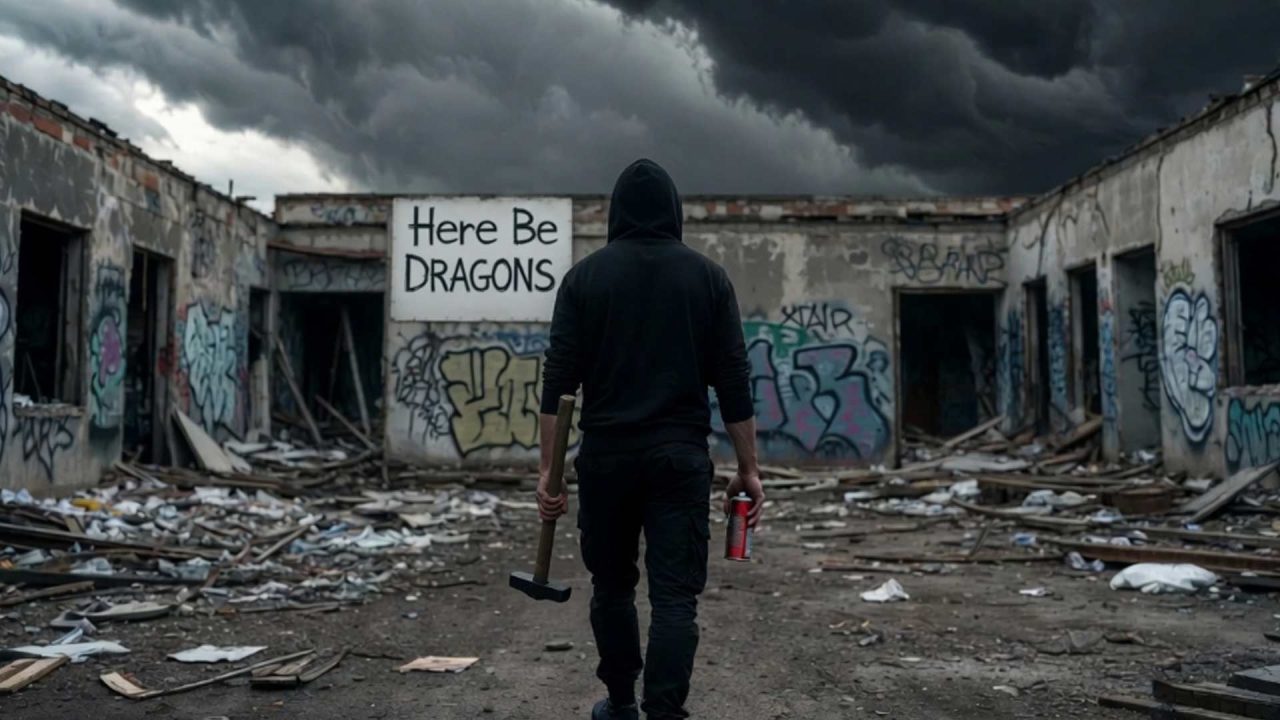

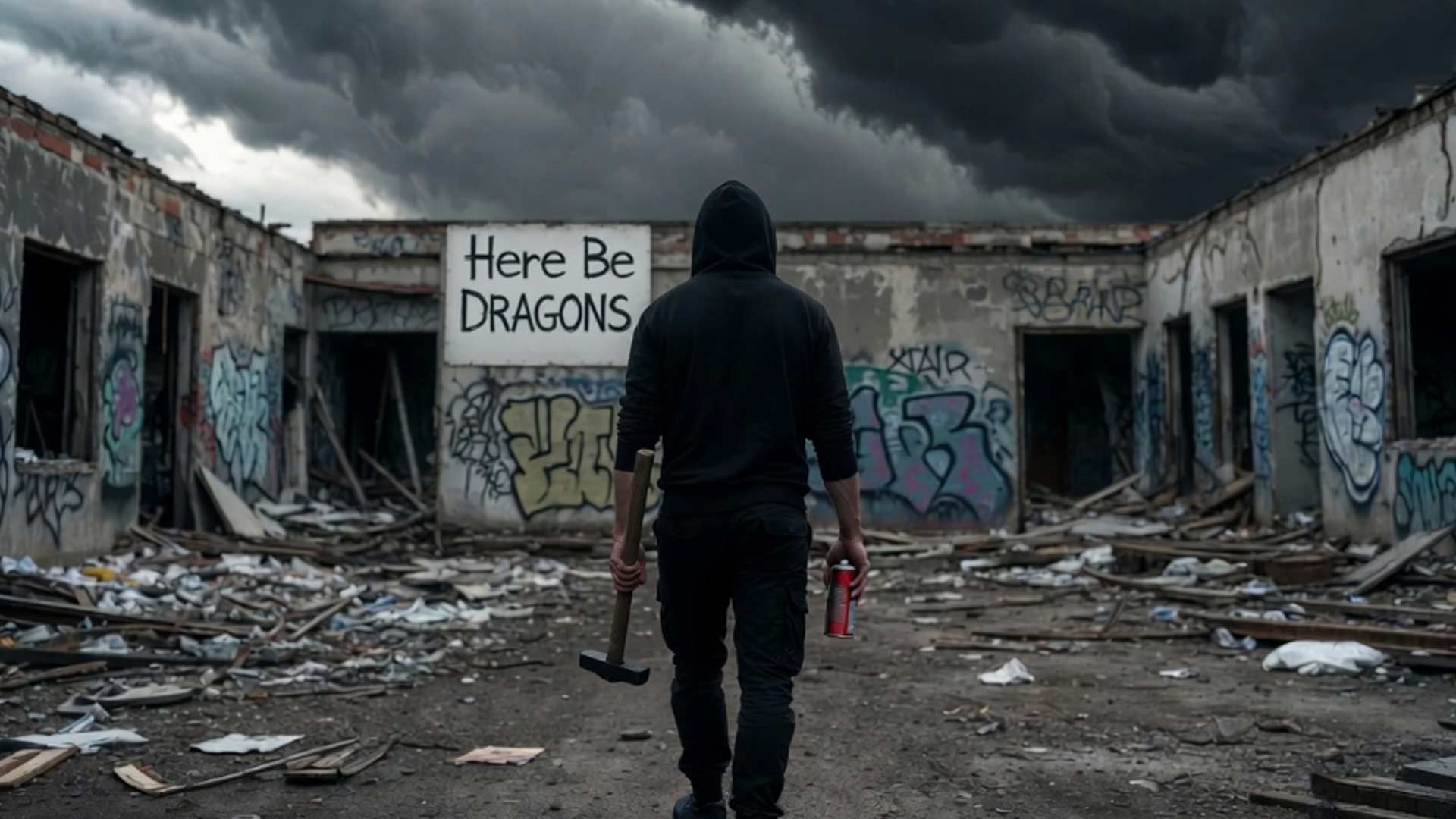
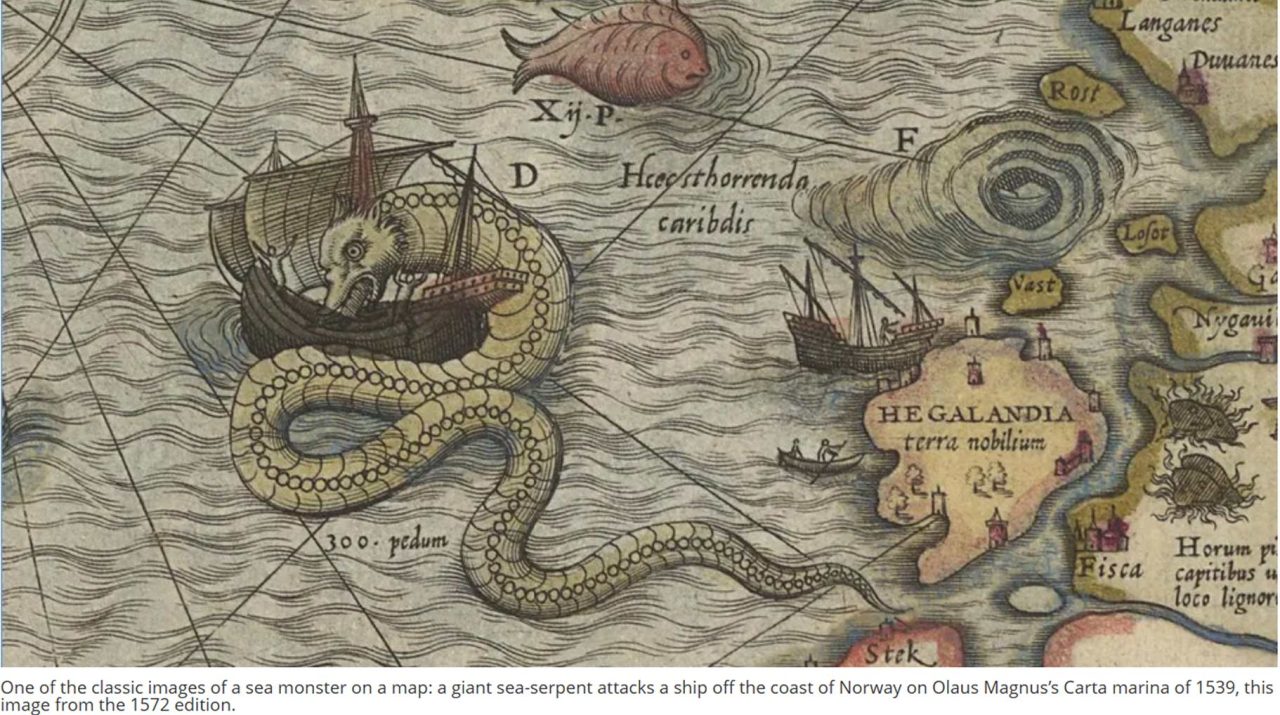
Ancient maps sometimes carried a warning at their edges: Here be dragons. Beyond the known world lay uncertainty, danger, and monsters of the imagination. The warning was not really about dragons. It was about the boundary between order and chaos.
Civilizations have their own edges.
We often imagine that civilization is built from laws, institutions, and constitutions. Those things matter. But beneath them lies something more fragile: a shared agreement that certain lines should not be crossed. We do not destroy what belongs to others because we disagree with them. We do not excuse intimidation because we dislike the target. We do not celebrate harm simply because it lands on the “right” side of a conflict.
The greatest danger is not the act itself. Human beings have always been capable of anger, vandalism, cruelty, and violence. The greater danger is the story we tell afterward.
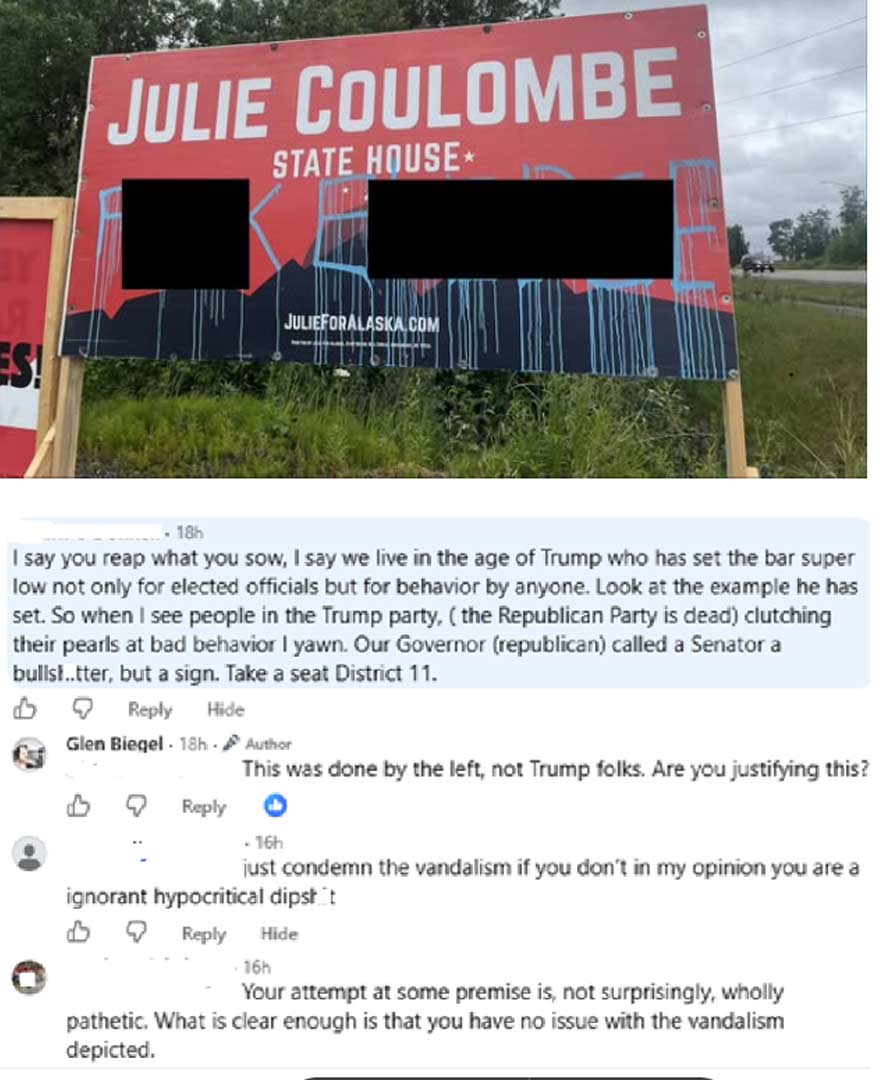
Every abuser has a justification. “You made me do it.” “You made me angry.” “If only you were better, I would not have acted this way.” The wrongdoing is reframed as a reaction. Responsibility is shifted from the actor to the victim. The focus moves from the offense to the offender’s grievance.
The same pattern appears wherever people seek to excuse behavior that should simply be condemned. The act becomes secondary. What matters instead is whether the target deserved it.
That is the moment we approach the edge of the map.
A healthy society does not require universal agreement. It requires universal standards. We can disagree passionately while still affirming that intimidation, destruction, and coercion are unacceptable. We can oppose someone’s ideas without believing that opposition grants us permission to silence, threaten, or harm them.
Once we begin making exceptions, the thread begins to fray.
Civilization is not a granite monument. It is more like a suspension bridge hanging over a canyon. Each shared principle is a cable. Respect for law. Respect for conscience. Respect for the rights of others. Remove enough strands, and the bridge still appears sturdy—right up until the moment it isn’t.
That is why casual justifications for wrongdoing should concern us more than the wrongdoing itself. They reveal a willingness to weaken the standards that protect everyone.
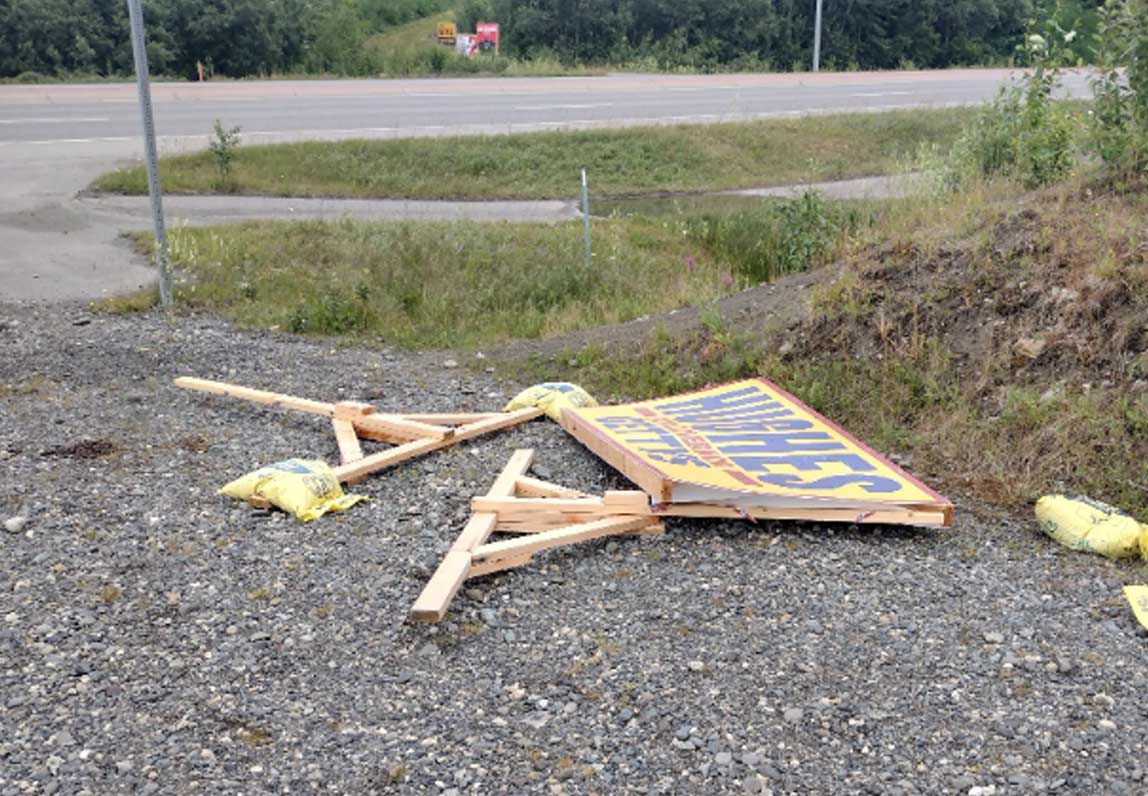
The dragons are not waiting beyond the horizon. They are much closer than that. They appear whenever we decide that our anger excuses our conduct, that our cause sanctifies our methods, or that our opponents are somehow undeserving of the protections we demand for ourselves.
The abyss does not open beneath us all at once.
It opens one justification at a time.
Closing thoughts: This ‘abuser’s justification’ in the Facebook response to my question, “What say you? (about the vandalism on lower hillside in Anchorage),” was made by a longtime Facebook “friend.” Our political puppet-masters have spent years demonizing conservatives, fraying the strands of the bridge between the two political sides. As they blur the lines of true violence and protected speech, we inch closer to our dragons and our cultural abyss. We will have a rally against political violence and for free speech next week. Stay tuned and please come.
The views expressed here are those of the author.




4 Comments
A bunch of stupid people taking out their anger on a sign. Who wins, you lose when you are caught and got to jail and pay a fine. In the end times, Red, Yellow, Black and White, Christian or non-Christian. Are going to have to come together to fight this evil amongst us
A good definition of a ‘bunch of stupid people’s is a mob. Mobs are rarely wise nor just. One part of your response I have a concern about is the turn from stupid to evil. My claim in the piece is that these are violent people who do not respect a conservative person’s rights. That does not make them stupid, but it does make them dangerous. it also requires that they be confronted and defeated.
“A good definition of a ‘bunch of stupid people’s [sic] is a mob. Mobs are rarely wise nor just.” Makes me think of the January 6 insurrectionist floor poopers.
Let looked to be a Hughes sign. Oh well