
Alaska is in financial difficulty. The state government doesn’t have enough tax revenue to fund itself without resorting to tapping the Permanent Fund Dividends already promised to the citizens living here. The solution might come from the unlikeliest of sources: high-tech AI data centers.
The growth of the AI industry in this country has created a significant economic boom in some states from the construction of data centers. This has created new high-paying jobs and hefty tax revenue for local communities where these facilities are built, but not everybody is happy about it. Data centers are controversial, and there has been a huge backlash around the country against them. However, if they are built correctly and in the right location, they could be a huge economic blessing for our state and help replace some of the declining tax revenue we get from the petroleum industry.
An AI data center, in its simplest terms, is basically a large industrial warehouse filled with racks of electronics. Think of an Amazon fulfillment center, but with computers inside instead of packages. These facilities are incredibly big and require a large amount of electricity to operate the equipment and provide the required cooling. They create an industrial sprawl that is undesirable when constructed near neighborhoods in the more developed parts of the country.
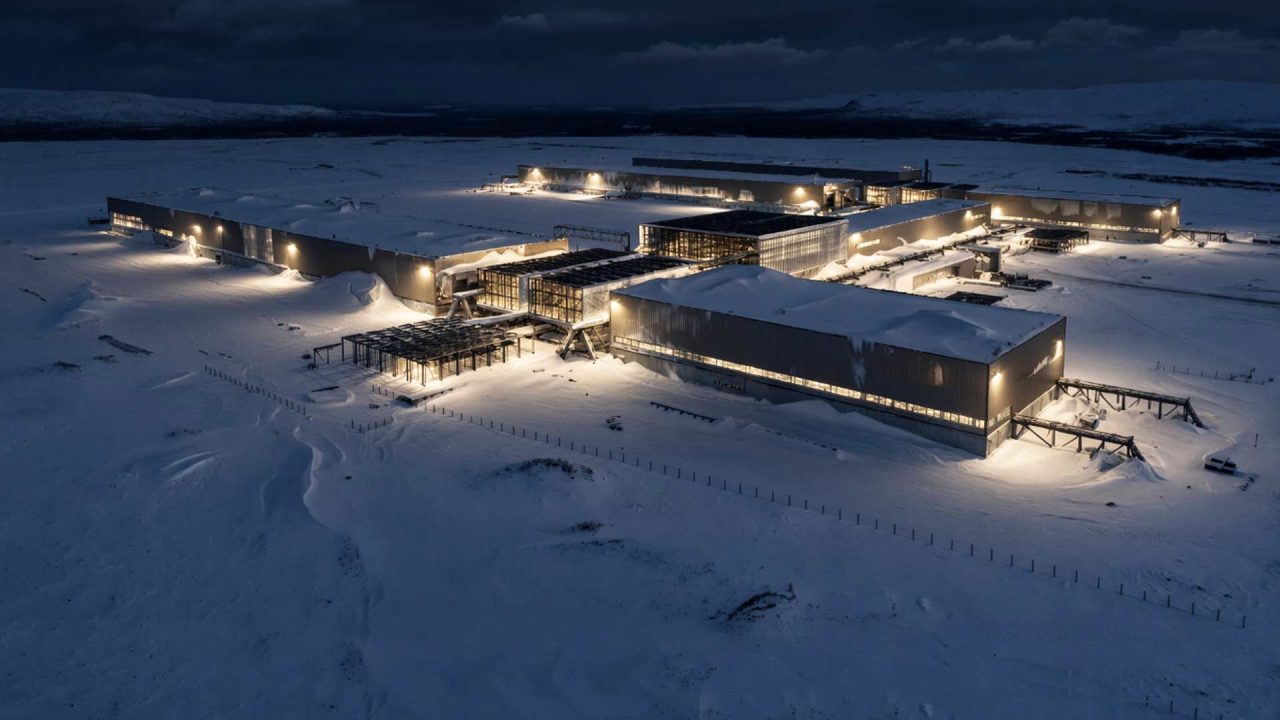
An Alaskan company, proposes building an AI data center on the North Slope near Prudhoe Bay.
That is where Alaska comes in. AI companies have recognized that Alaska is a big state with few people and believe it might be possible to build these facilities located away from local communities. These companies are exploring two different opportunities for building these facilities here in Alaska.
The first plan is honestly not very good. An East Coast company called DeepGreen proposes building data centers underwater in Cook Inlet, using the ocean to cool the facilities and the tidal current to generate electricity. This idea is impractical due to the technology requirements involved and the challenges in getting permitting. We should not waste state resources pursuing it, nor encourage anyone foolish enough to attempt it.
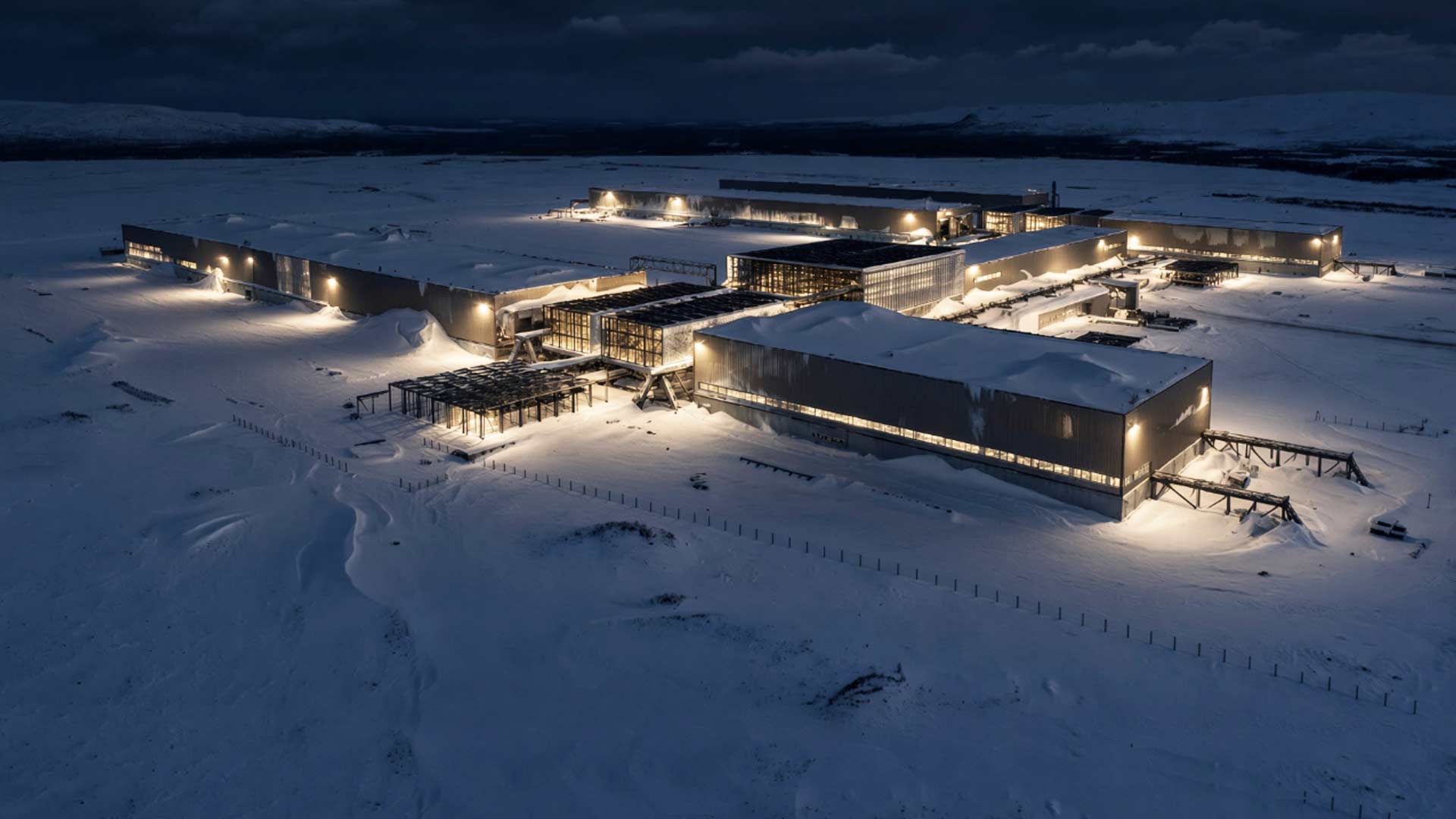
However, the second proposal is actually a pretty good concept. Stak Energy, an Alaskan company, proposes building an AI data center on the North Slope near Prudhoe Bay. It would be similar in size to the existing oil production facilities already in use there. For those not familiar with this part of the state, it is a large industrial area mostly free of communities, and the state owns most of the land. The state land set aside for oil production is roughly 135 miles east-west and about 20 miles north-south, encompassing roughly about 2,700 square miles of acreage.
One small county in Virginia makes almost as much from tax revenue on data centers as our entire state does from oil production.
While there are existing oil fields located in this region, not all state-owned land is currently leased by the oil companies. This undeveloped land is ideal for building AI data centers. They could use the existing infrastructure available in Prudhoe Bay, including a large cargo and passenger airport, the haul road for moving equipment to the region, and the huge natural gas resource that could be utilized for power generation. Best of all, Alaska has engineering and construction companies who are skilled at building facilities like these in the harsh environment found on the North Slope.
The new Legislature and our next governor should support this concept because of the large tax revenue other states generate from these facilities.
For example, Loudoun County in Northern Virginia is going to generate almost $1.3 billion in tax revenue from data centers during fiscal year 2027. Building data centers has been a great economic benefit to the county, but despite the positive benefits, residents are opposed to building additional data centers. Citizens in neighborhoods close to these facilities complain about the large industrial sprawl and the noise from cooling equipment and diesel generators required to power the facilities. Because of this, one member of the Loudoun County Board of Supervisors has proposed a moratorium on building new data centers.
ALASKA WATCHMAN DIRECT TO YOUR INBOX
A state looking to capitalize on Loudoun County’s hesitancy is its next-door neighbor, West Virginia. There are no data centers built in West Virginia yet, but Governor Patrick Morrisey is looking to change that. He recently rolled out a 20-year Responsible Data Center plan to encourage AI companies to build those facilities in his state.
Alaska might wish to join West Virginia. If we compare Loudoun County’s tax revenue from data centers of $1.3 billion to Alaska’s unrestricted oil revenue in FY 2027 of $1.9 billion, they are similar in magnitude. One small county in Virginia makes almost as much from tax revenue on data centers as our entire state does from oil production. If Alaska were to become a major participant in this industry, we might solve our current fiscal problems by doing so.
AI companies are looking for a place to build data centers, and Alaska’s North Slope is the perfect location. Without new revenues, the Legislature will continue to take a bigger and bigger piece of the PFD until it is all gone, but then what will they do for more revenue? The construction of AI data centers might be the solution, and our Legislature should do everything it can to encourage Stak Energy to build the first one on the North Slope.
The views expressed here are those of Greg Sarber. Read more Sarber posts at his Seward’s Folly substack.






8 Comments
Unfortunately, the North Slope will not become a chosen location, because the Department of Defense is in active negotiations with a data center company to build a data center right next door, on JBER. This will, of course have a catachalismic negative impact on our energy prices.
With Cook Inlet natural gas almost exhausted and Hilcorp preparing to start wrapping up operations, how will we keep the lights on and the homes heated? I know it doesn’t matter to those whose pockets will be filled with campaign donations to make this a reality, but it will impact the Anchorage community in a hugely negative way. Think I’m bluffing? A friend of mine in Oklahoma, in an area where two data centers are being built, but are not even online yet, had experienced a 100% increase in his electric bill in 2 years. His house is all electric, but since everything in Anchorage is natural gas-based, we can anticipate the same.
Data centers destroy the area where they are built, that’s why the mega-corporations building them are able to demand Non-Disclosure Agreements with all the politicians in the area they will be built, to hide the damage until it’s too late.
just like the NG pipeline – an AI data center is a pipe dream I’m Alaska.
Do your research on “latency” as it relates to electrical distribution.
This is just another excuse for the politics to hand out millions and millions of dollars to their “consultant” buddies – just like they’ve done on the NG pipeline for thirty years.
Comical Corruption…
Hi BJ, yes, there are concerns with data centers. You make a good point that they should not be located in the Anchorage bowl, where they will add to the burden on an overstretched natural gas supply. Data centers are large, noisy industrial facilities with high energy requirements. I wouldn’t want one in my neighborhood, but that is not what Stak Energy is proposing. They want to locate them on the North Slope, alongside other similar large industrial buildings. As an Alaskan, you benefit from those oil production facilities in Prudhoe Bay via your PFD check. Everyone in Alaska also uses supplies and materials brought through the Port of Anchorage or Anchorage International Airport. I wouldn’t want to live right next door to those facilities either, but I am glad they exist. The reality is that our legislature will continue to take an ever-bigger portion of our PFD checks until it is gone. Then they will implement additional taxation, like an income tax, statewide property and sales taxes, etc. We can get tax revenue from new industries like data centers, as Loudoun County has done, or we can allow the legislature to continue to pick the pockets of every resident until we are all broke. It’s your choice.
What few folks realize is that the newer iterations of AI do not require data centers. The newer iterations of AI that have already been released and are operating successfully in workplaces, can use many current and/or newly purchased desktop computers with GPU’s or NPU’s.
Reference【2026 AI PC Buying Guide】What is an AI PC:
https://www.wellent.com/en/news/167-ai-pc-buying-guide-and-recommendations
The newest iterations of AI that have already been released and are operating in workplaces on desktop computers, just fine.
Your insane BJ. Your comments are the same as the lady who told me that a data center in Houston would take all the water, I guess the water is going to disappear like the water in your toilet. Your buddy in Oklahomas power bill went from $35 a month to $70 ..?? O if only we had built the Susitna hydro dam it would be coming on line about now.
No, the water isn’t going to disappear, but is is going to be highly contaminated after several cycles through the closed loop cooling system. It’ll require massive reclamation in order to return it to the environment.
I’d say no new revenue generating projects until our legislatures get over their addiction to spending (wasting) state revenues. There is so much waste due to every municipality holding their hands out and demanding the state help finance their pet projects.
These data centers seek stranded energy. In Texas, they are using methane which is being burned off in the oil fields. they aren’t going to build a data center in the middle of nowhere without energy. Most of these data centers will be a boondogggle. AI is proving to be more useful locally than in the cloud. So in the meantime, we have construction jobs and development of stranded sources of energy. In a few years, the private market that builds these centers will sell them off, or donate them for other purposes. However, the benefits of power generation will remain.
While everyone talks about the revenue, why not cut government waste and trim out projects no one wants or even knows about.