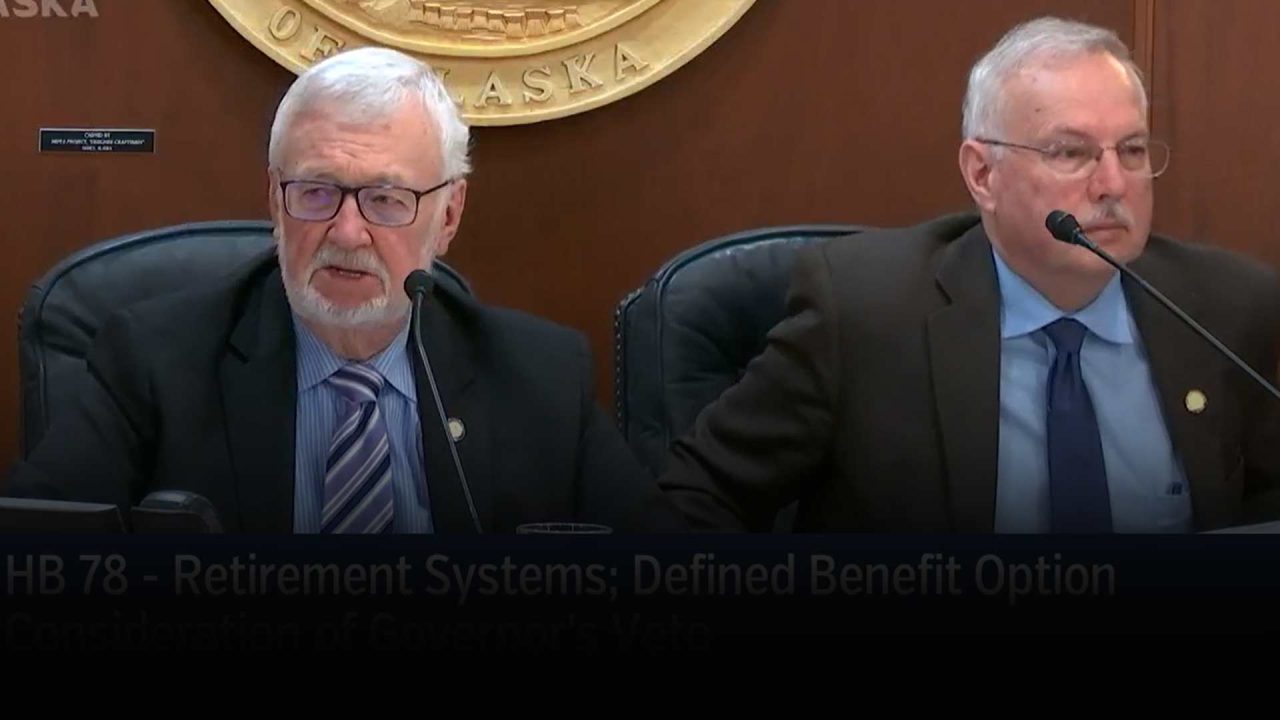

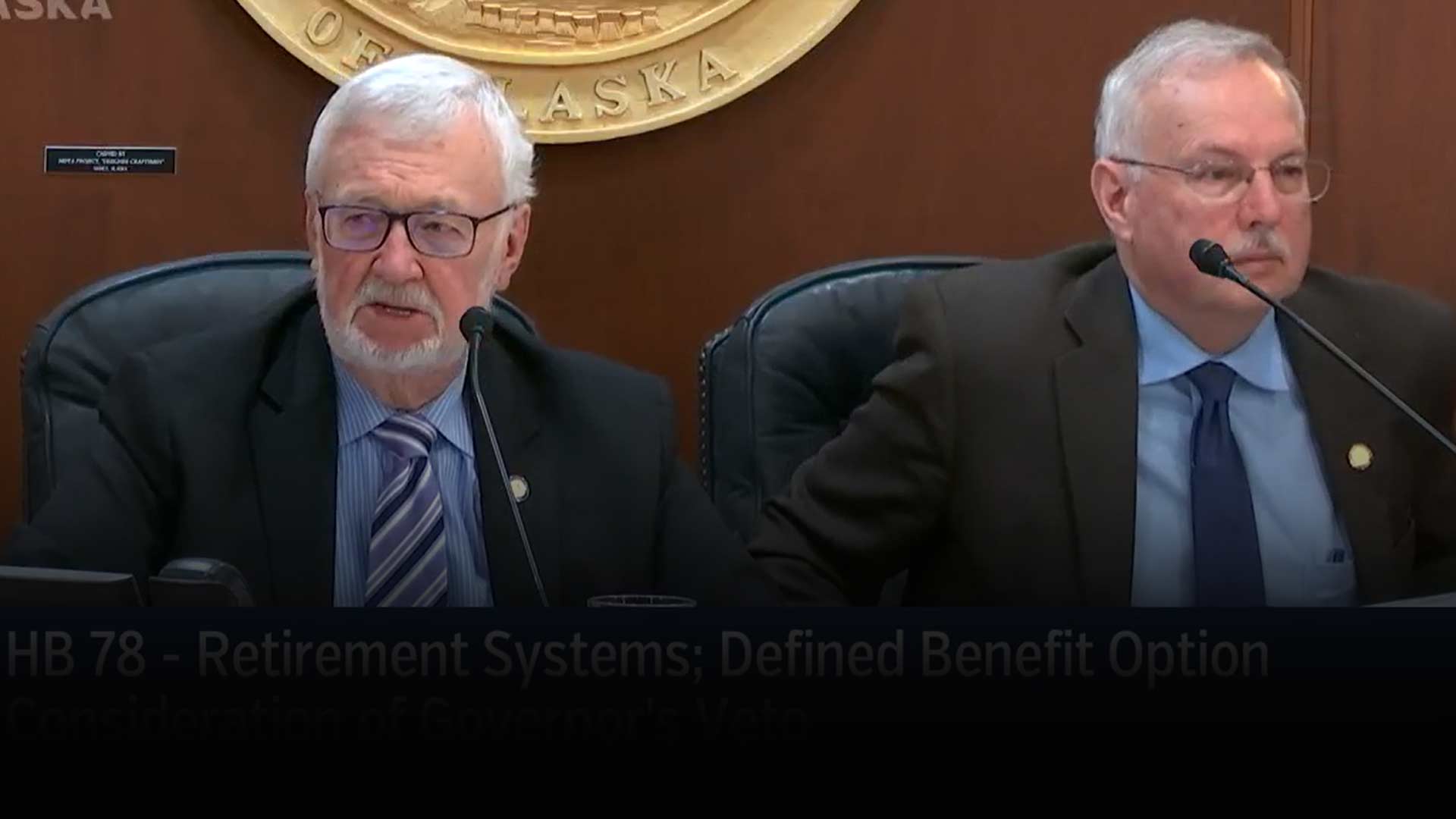
Gov. Mike Dunleavy has vetoed controversial legislation that would have reintroduced a costly, government-run defined benefit pension system for state employees.
The measure was passed by the Democrat-controlled State Legislature with the help of a few GOP allies.
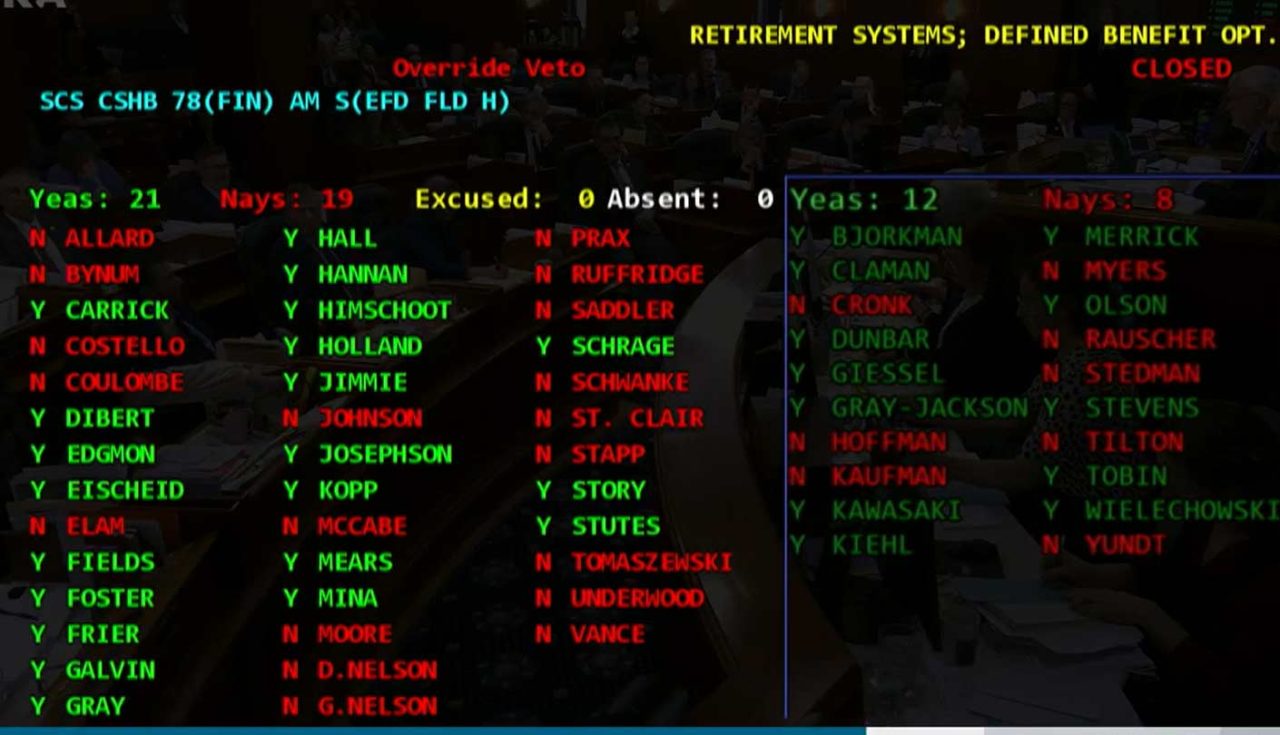
On May 18, Dunleavy red-lined the legislation. In order to override the governor, the Legislature needed three-quarters of lawmakers to agree (40 of the 60 members), but it failed to reach the threshold with 33 voting to override – including several Republicans who caucus with the Democrat-led majority. This included Representative Louise Stutes (R-Kodiak) along with Senators Jesse Bjorkman (R-Nikiski), Cathy Giessel (R-Anchorage), Kelly Merrick (R-Eagle River) and Gary Stevens (R-Kodiak).
A total of 27 more conservative-leaning lawmakers voted to successfully uphold the veto.
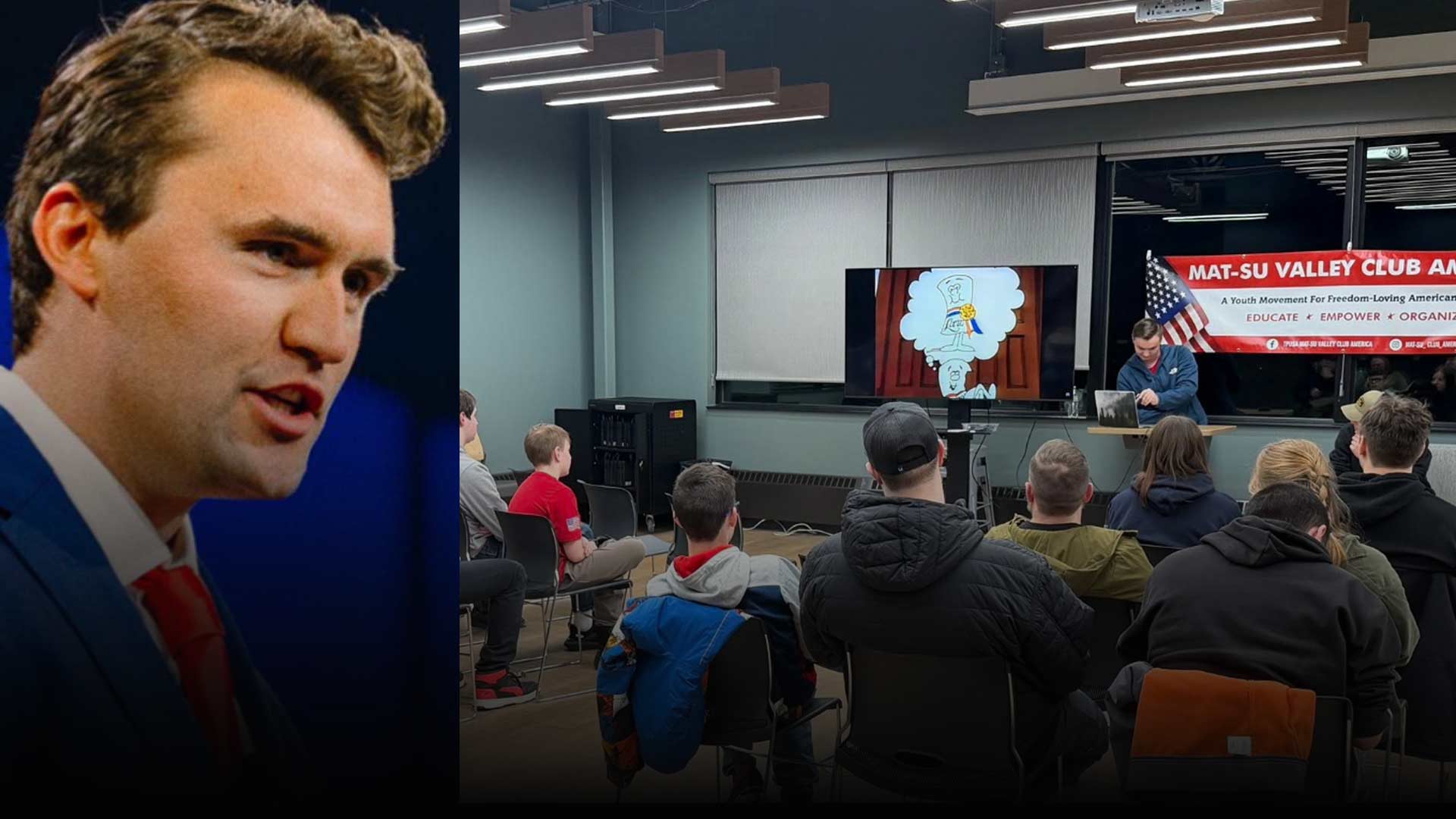
The conservative public policy group, Americans for Prosperity-Alaska (AFP-Alaska), congratulated Dunleavy on the veto, while praising conservative lawmakers for helping to sustain it.
AFP-Alaska had expressed concerns that defined benefit systems historically lead to cost overruns, unfunded liabilities, and reduced budget flexibility for essential state services.
“Governor Dunleavy and the legislature made the right decision to protect Alaska taxpayers, present and future, from a return to an unsustainable pension system that would have exposed the state to billions in long-term liabilities,” said AFP Regional Vice President David From. “We are grateful for his leadership and commitment to fiscal responsibility. AFP appreciates the lawmakers who recognized that reopening a defined benefit system would have shifted significant financial risk onto taxpayers – risk Alaska simply cannot afford.”
ALASKA WATCHMAN DIRECT TO YOUR INBOX
In 2005, Alaska transitioned from a Defined Benefit pension plan to a Defined Contribution plan, similar to a 401(k)-style retirement system. This change was made because the state had accrued a sizable amount of unfunded pension liabilities and could no longer afford the previous system. Today, the state still carries over $6.1 billion in unfunded liabilities from its previous DB system, ranking 13th highest in unfunded pension liabilities nationwide.



10 Comments
This successful veto is an answer to prayer. It is a miracle that most of the Republicans did the right thing. Now the Alaska GOP needs to harass those evil RINOS by letter repeatedly so that they have no peace over their lies and ripping off the PFD. ALaska GOP needs to have a great presence against those trying to ruin Alaska and against Murkowski who represents an evil role model for our legislators and only has ever cheated to get her way. We are MAGA Patriots and support our President’s efforts to restore our nation and Governor Dunleavy’s sincere moves to help Alaskan citizens against the NEA’s efforts to indoctrinate teachers and students into “neo-Marxism.” .
Yeah!
They are thieves and criminals. They should be treated accordingly.
Amen!!
Dunleavy delivers a victory for all common sense citizens of Alaska. Nice job on this veto.
The legislature is just not going to be happy until they bankrupt this state.
I would like to thank the ‘Alaska Watchman’ for publishing Christian Conservative politics to Alaska. We use to have 2 mayors [1 Borough & 1 City] and two news papers [1 Democratic & 1 Republican]. For a quarter of a century Anchorage has had no Conservative media locally, newspaper or television. There was no backlash for the Liberals and they ran amuck. Remember Mary Patola voted YES on Biden’s agenda and Lisa Murcowski is a RINO and I am ashamed of Cathy Giessel. Alaska Watchman doesn’t hide the RINO’s and keeps Conservative Christians informed.
This is truely a blessing for this state. These unrepresentitaves are total frauds and seek to destroy this state, don’t they remember how the state was nearly bankrupted before by pentions and other benefits? I would rather see a 401K with a high match rate and higher wages. Pension funds are always mismanaged and a hotbed for fraud, then need bailed out by the tax payers down the line.
I will continue to enjoy my AK state pension for the rest of my life, AK also pays for my health insurance. It’s too bad that others, like our daughter-in-law, don”t get to enjoy these benefits..
Thank you, Gov. Dunleavy!